
7 Best Wedding Photo Locations for Stunning Memories
- Jesús Magan
- Dec 22, 2025
- 11 min read

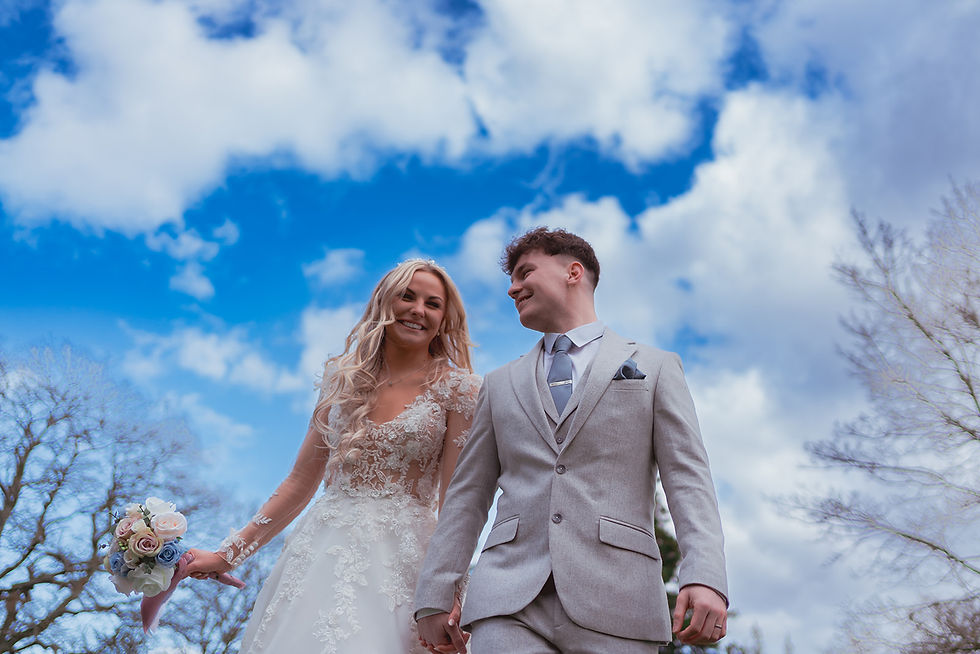
Over half of British couples are now choosing non-traditional locations for their wedding photos, seeking backdrops that feel unique and meaningful. Whether it is a centuries-old manor or a quiet corner of a hidden park, the right setting can capture your story in unforgettable ways. This guide explores how British venues and landscapes can transform wedding photography, helping you find the perfect fit for timeless images and cherished moments.
Table of Contents
Quick Summary
Key Message | Explanation |
1. Select Historic Venues for Storytelling | Choose venues with significant historical character to enhance photographic narratives and capture timeless elegance. |
2. Plan Natural Landscapes and Permissions | Prioritise locations where you understand regulations and can easily access natural beauty for dynamic wedding photos. |
3. Scout Urban Areas for Unique Backgrounds | Identify urban environments with rich textures and interesting architecture to create extraordinary storytelling backdrops. |
4. Utilize Soft Lighting Indoors | Choose indoor settings with ample natural light to enhance emotional resonance in your wedding photography. |
5. Look for Hidden Gems with Personal Significance | Discover lesser-known venues that reflect your journey and create unique, meaningful backdrops for your wedding imagery. |
1. Choosing Historic Venues for Timeless Backdrops
Historic wedding venues offer more than just a picturesque backdrop they create a narrative of romance deeply rooted in architectural heritage. Selecting a venue with significant historical character transforms your wedding photographs from simple images into visual storytelling masterpieces that capture timeless elegance.
When considering historic venues, architectural significance becomes paramount. Places like Cliveden House in Berkshire, a Grade I-listed estate dating back to 1666, provide extraordinary settings that blend architectural grandeur with natural beauty. These venues offer more than walls and gardens they offer living historical canvases that frame your wedding memories.
Consider venues with distinctive architectural styles that complement your personal aesthetic. Victorian neo-Gothic structures like Barony Hall in Glasgow present dramatic backdrops with intricate architectural details perfect for creating stunning wedding imagery. Look for venues with unique features such as grand staircases, ornate windows, expansive grounds, and period-specific design elements.
Photographic opportunities multiply in historic venues. Stone walls, centuries-old oak trees, elegant corridors, and meticulously maintained gardens provide diverse settings for capturing romantic moments. These locations offer natural lighting conditions and textural backgrounds that modern venues simply cannot replicate.
Practical considerations are equally important. Confirm the venue permits professional photography, understands wedding day logistics, and has experience hosting wedding parties. Some historic venues have specific guidelines about photography to preserve their architectural integrity.
Pro tip: Schedule a pre wedding venue visit during similar lighting conditions to your wedding day. This allows you to scout specific photographic locations and understand how natural light interacts with the venue’s architectural features, ensuring your wedding album captures truly magical moments.
2. Making the Most of Natural Landscapes and Parks
Natural landscapes provide breathtaking wedding photography opportunities that cannot be replicated in studio settings. Parks, gardens, and open landscapes offer dynamic backdrops that capture authentic emotions and stunning environmental details.
Selecting the right natural setting requires strategic planning and understanding of location permissions. Windsor Great Park exemplifies the importance of understanding site specific regulations for wedding photography. These expansive natural environments offer diverse landscapes including lakes, formal gardens, and woodland areas that create extraordinary visual narratives.
When scouting outdoor locations, consider multiple factors such as seasonal variations, lighting conditions, and accessibility. The Royal Parks in London demonstrate the necessity of obtaining proper permits for professional wedding photography. Most public spaces require official permissions to ensure minimal disruption to other visitors and maintain the area’s environmental integrity.
Natural landscapes provide unparalleled photographic versatility. Sunrise and sunset periods offer magical golden hour lighting that transforms ordinary scenes into extraordinary memories. Woodland clearings, lakeside vistas, and open meadows create organic settings that highlight genuine moments of connection between couples.
Planning is crucial when selecting natural venues. Research potential locations during different seasons, understand lighting patterns, and have backup options in case of unexpected weather changes. Consider the terrain, walking distances, and potential challenges for wedding attire and mobility.
Pro tip: Schedule a pre wedding site visit during similar seasonal conditions to your wedding day. This reconnaissance allows you to identify precise photographic locations, understand natural light dynamics, and anticipate potential logistical challenges for your wedding photography.
3. Capturing Candid Moments at Urban Spots
Urban environments offer dynamic wedding photography opportunities that transform ordinary city spaces into extraordinary storytelling backdrops. These locations provide rich textures, architectural diversity, and unexpected moments of intimacy that traditional venues cannot replicate.
Photographers seeking to master urban wedding photography must develop keen observational skills and understand how city landscapes interact with emotional narratives. Creative urban photography techniques emphasise capturing spontaneous interactions against architectural backgrounds, transforming mundane urban scenes into extraordinary wedding memories.
Strategic location selection becomes crucial when planning urban wedding photographs. Look for areas with interesting architectural elements such as historic buildings, modern facades, interesting street art, industrial spaces, and urban parks. These locations offer diverse backdrops that reflect your unique relationship and personal aesthetic.
Timing and lighting are critical in urban wedding photography. Early morning or late afternoon provide softer light conditions that minimise harsh shadows and create more flattering images. Understanding how sunlight interacts with urban surfaces helps create depth and dimension in your wedding photographs.
Consider the architectural narrative of your chosen urban location. A couple photographed against a brutalist concrete structure communicates a different emotional tone compared to images captured near ornate Victorian architecture. Each urban setting tells a different story about your relationship and personal style.
Pro tip: Scout your urban photography locations in advance. Visit potential sites during similar times of day as your wedding to understand lighting conditions, identify potential photographic angles, and develop a preliminary shot list that maximises the unique characteristics of the urban environment.
4. Highlighting Unique Architectural Features
Architectural elements transform wedding photography from mere documentation to visual storytelling, creating images that capture both emotional moments and spatial beauty. Each architectural detail offers a unique narrative opportunity that elevates your wedding memories beyond traditional portraiture.
Historic venues provide extraordinary architectural canvases for wedding photography. Barony Hall in Glasgow, with its stunning Victorian neo-Gothic design, exemplifies how intricate architectural details can create dramatic photographic backdrops. The interplay between architectural lines, lighting, and human emotion generates truly compelling visual narratives.
When selecting venues, consider architectural diversity. Look for spaces with distinctive features such as sweeping staircases, ornate ceiling details, arched windows, exposed brickwork, or geometric patterns. These elements create natural framing and visual interest that complement your wedding aesthetic.
Understanding architectural photography techniques is crucial. Position yourselves to interact with architectural elements strategically. Use columns as natural dividers, doorways as dramatic entry points, and geometric patterns as dynamic compositional tools. Architectural features can create depth, symmetry, and visual intrigue in your wedding photographs.
Consider how Penllergare in Swansea, with its historic estate architecture, demonstrates the power of blending natural landscapes with architectural elements. Such locations offer multiple photographic opportunities that showcase both structural beauty and emotional connections.
Pro tip: Collaborate closely with your wedding photographer to scout venue architectural features during your pre wedding consultation. Identify specific architectural elements that resonate with your personal style and discuss creative ways to incorporate them into your wedding photography narrative.
5. Utilising Intimate Indoor Settings Effectively
Intimate indoor settings offer wedding photographers unique opportunities to capture deeply personal and emotionally resonant moments away from external distractions. These carefully selected interior spaces become canvases for capturing nuanced interactions and genuine emotional connections.
When selecting indoor photography locations, prioritise spaces that reflect personal significance and provide soft natural lighting. Look for rooms with large windows, neutral colour palettes, and architectural elements that create natural framing. Vintage libraries, art galleries, heritage buildings, and boutique venues often provide stunning interior environments with rich textural backgrounds.
Lighting becomes paramount in indoor wedding photography. Seek locations with generous natural light sources such as expansive windows or glass conservatories. Soft diffused light creates flattering skin tones and reduces harsh shadows, transforming ordinary interior spaces into elegant photographic settings. Understand how different times of day impact interior light quality and plan your photography schedule accordingly.
Composition techniques are crucial when working within confined indoor spaces. Use architectural features like doorways, staircases, and archways to create depth and visual interest. Experiment with negative space, symmetry, and leading lines to craft visually compelling images that draw viewers into the emotional narrative of your wedding day.
Consider the emotional atmosphere of your chosen indoor setting. Spaces with personal meaning create more authentic storytelling opportunities. A family home, a favourite cafe, or a venue with shared memories can elevate wedding photographs from mere documentation to profound personal narratives.
Pro tip: Conduct a thorough pre wedding venue walk through during similar lighting conditions to your wedding day. This allows you to identify precise photographic locations, understand interior light dynamics, and develop a strategic plan for capturing intimate moments within your chosen indoor environment.
6. Incorporating Water Features for Romantic Shots
Water features create magical photographic opportunities that infuse wedding imagery with tranquillity, romance, and natural beauty. The reflective qualities of water provide extraordinary visual depth and emotional resonance to wedding photographs.
Waters edge photography transforms ordinary wedding shots into extraordinary visual narratives. Locations like Windsor Great Park offer serene lakes that serve as perfect backdrops for capturing intimate moments, with their tranquil waters reflecting soft light and surrounding landscapes.
Strategic positioning becomes crucial when incorporating water features. Seek locations with clean water surfaces, interesting shoreline textures, and complementary natural surroundings. Consider sunrise and sunset periods when water reflections create ethereal lighting conditions that enhance photographic composition.
Understand the technical aspects of water photography. Soft overcast days provide the most consistent lighting, minimising harsh reflections and creating even illumination. Professional photographers recommend using slightly longer focal lengths to capture intimate moments while maintaining safe distance from water edges.
Consider diverse water feature options beyond traditional lake settings. Ornamental fountains, garden ponds, coastal landscapes, and architectural water elements can provide unique photographic opportunities. Each water feature offers distinct visual characteristics that can dramatically enhance your wedding imagery.
Pro tip: Coordinate with your wedding photographer in advance to scout precise water feature locations. Discuss potential shooting angles, time of day, and specific positioning to maximise the romantic potential of water reflections in your wedding photographs.
7. Selecting Hidden Gems for a Personal Touch
Hidden wedding photography locations transform ordinary moments into extraordinary memories by offering unique backdrops that reflect your personal narrative. These lesser known venues provide intimate settings that elevate wedding photography beyond conventional choices.
Penllergare in Swansea, a remarkable historic estate, exemplifies how unexpected locations can create stunning wedding imagery. Such hidden gems combine architectural intrigue with natural landscapes, offering photographers diverse environments for capturing genuine emotional moments.
Discovering these unique locations requires creative research and local knowledge. Explore family properties, community gardens, small heritage sites, local woodlands, and lesser known historical estates. Consider venues with personal significance that tell a story beyond mere aesthetic appeal. Family farms, childhood neighbourhood parks, or locations connected to your relationship can provide deeply meaningful backdrops.
Understand the practical considerations when selecting unconventional venues. Verify photography permissions, assess accessibility for wedding parties, and evaluate lighting conditions. Some hidden locations might require additional logistical planning but can reward you with truly distinctive wedding photographs that stand apart from traditional settings.
Consider the storytelling potential of each location. A hidden gem should offer more than visual beauty it should resonate with your personal journey. Look for spaces that reflect shared memories, represent your relationship dynamics, or symbolise your future aspirations.
Pro tip: Conduct a comprehensive site reconnaissance with your wedding photographer before the big day. Document potential photographic angles, understand natural light variations, and develop a strategic shooting plan that maximises the unique characteristics of your chosen hidden location.
Below is a comprehensive table summarising the key points and strategies discussed in the article about choosing various settings for wedding photography.
Setting Type | Key Considerations | Benefits |
Historic Venues | Consider architectural significance, ensure photography permissions. Visit venues in advance for lighting assessment. | Offers timeless elegance, unique backdrops, and storytelling opportunities. |
Natural Landscapes | Plan considering seasonal and lighting conditions, obtain necessary permits. | Provides dynamic backdrops and golden hour opportunities for authentic emotional capture. |
Urban Spots | Choose areas with rich textures and architectural diversity, schedule shoots for softer lighting conditions. | Offers unique cityscapes and emotional narrative opportunities. |
Unique Architectural Features | Focus on distinctive elements like staircases and windows, collaborate with photographers for strategic shots. | Transforms photographs into visual storytelling with depth and intrigue. |
Intimate Indoor Settings | Prioritise natural lighting and meaningful locations, use composition techniques. | Captures personal, emotionally resonant moments. |
Water Features | Choose locations with reflective qualities, plan for optimal lighting conditions. | Adds tranquillity and romance to wedding imagery. |
Hidden Gems | Research and verify permissions, assess accessibility. | Provides deeply personal and distinctive wedding photographs. |
Capture Your Wedding Story at Stunning Locations with Experts You Can Trust
Choosing the perfect setting for your wedding photos is essential to creating timeless memories that truly reflect your love story. Whether you are drawn to historic venues, natural landscapes, urban backdrops, or intimate indoor spaces, the key challenge is finding photographers who understand how to beautifully capture candid moments amid these unique environments with care and expertise. At Wedding Film Photography, we specialise in documentary-style photography and cinematic films that showcase your genuine emotions and the architectural or natural charm of your chosen locations.
Don’t settle for ordinary images when your wedding deserves extraordinary storytelling. Our award-winning team offers personalised packages designed to work seamlessly with your venue’s features—from shimmering water reflections to intricate historic details. Explore how we bring your special day to life through relaxed, unobtrusive coverage filled with authentic moments at Wedding Film Photography. To begin crafting your unforgettable wedding album, connect with us today and secure your date with photographers who truly care about your unique story.
Frequently Asked Questions
What are the best types of historic venues for wedding photography?
Choosing historic venues like Grade I-listed estates or Victorian neo-Gothic structures can provide stunning backdrops for your wedding photography. Talk to your photographer about venues that offer architectural significance to enhance the storytelling in your images.
How can I ensure my chosen natural landscape is suitable for wedding photography?
To guarantee a suitable natural landscape for your wedding photos, research and obtain any necessary permits, especially in public parks. Schedule a pre-wedding site visit to assess the location’s lighting and seasonal dynamics, ensuring you capture spectacular images.
What are effective techniques for capturing urban wedding photography?
Effective techniques for urban wedding photography include scouting locations with interesting architectural elements and understanding the timing of natural light. Develop a shot list in advance based on your visits during similar times of day, allowing you to maximise your urban setting’s unique qualities.
How can I incorporate architectural features to enhance wedding photos?
Incorporate architectural features by positioning yourselves to interact naturally with elements like staircases and doorways. Work closely with your photographer to identify specific architectural details you want to highlight in your images, transforming them into visual narratives that reflect your wedding day.
What should I consider when choosing intimate indoor settings for wedding photography?
When selecting intimate indoor settings, prioritize spaces with personal significance and ample natural lighting. Remember to visit these locations beforehand to understand lighting changes throughout the day and determine the best compositions for capturing cherished moments.
How can water features enhance the emotional impact of wedding photographs?
Water features can enhance your wedding photographs by adding tranquillity and romance through reflection and depth. Scout locations with clear water surfaces and plan your shoot during times of day that provide the most flattering light for your pictures.
Recommended

Comments