
Creative Wedding Editing: Elevating Your Love Story


Choosing documentary-style wedding photography or videography in Staffordshire is about more than preserving moments—it is about capturing the true heart of your celebration. Many couples believe editing is a simple technical step, but in reality, creative wedding editing is an art that weaves authentic emotion, storytelling, and technical skill into every image and film. Understanding these thoughtful techniques empowers you to select professionals who will honour your love story with the care and creativity it deserves.
Table of Contents
Key Takeaways
Point | Details |
Creative Editing is an Art | Wedding editing involves storytelling and emotional depth, requiring careful artistic choices beyond mere technical skills. |
Style Alignment is Crucial | Your chosen editing style should reflect the photography approach, ensuring your final product resonates with your vision. |
Effective Communication is Key | Clear client consultation can prevent misunderstandings and ensure that the final edit aligns with the couple’s unique love story. |
Avoid Common Pitfalls | Be mindful of over-editing, lack of venue scouting, and poor planning to preserve authenticity and quality in wedding films and photographs. |
Creative wedding editing defined and debunked
Creative wedding editing is far more than opening footage in software and pressing a few buttons. It’s a deliberate, thoughtful process that combines storytelling, emotional depth, and technical skill to transform raw moments into a cohesive narrative. Your wedding film or photograph collection isn’t created on the day alone. What you ultimately receive has been shaped by hours of careful selection, colour grading, sound design, and artistic decision-making that reflects your unique love story.
The biggest myth about wedding editing is that it’s simply a technical task—that anyone with decent software can produce professional results. This couldn’t be further from the truth. Professional editors invest significant time in developing the storytelling craft that separates a snapshot collection from a genuine narrative. They’re making artistic choices about pacing, emotion, and tone that transform footage into something that genuinely moves people.
When photographers and videographers create your final package, they’re not rushing through clips. They’re selecting the moments that best represent your relationship, deciding which takes show authentic emotion, and discarding footage that doesn’t serve the story. This curation process requires experience and intuition. It’s about understanding what makes your partnership special and knowing how to visually communicate that to viewers.
Creative editing also addresses the misconception that “point and shoot” captures everything you need. Documentary-style wedding coverage deliberately captures moments without intrusion, but those raw materials still need intentional refinement. Colour grading sets the mood. Music selection creates emotional resonance. Transitions guide viewers through your day’s narrative. Each decision matters.
Another common misunderstanding is that heavier editing means less authenticity. Actually, the reverse is true. Thoughtful editing preserves authenticity by removing distractions and emphasising genuine moments. It removes the accidental blink, the distracted guest in the background, the technical imperfections that undermine the emotional truth you want to share.
When you book professional editors, you’re paying for their creative vision, technical knowledge, and the ability to understand what your specific love story requires. Your wedding’s editing style should complement its documentary nature—it enhances reality rather than creating fantasy.
Pro tip: When reviewing editing samples from potential photographers or videographers, ask specifically how they approach the editing phase and what choices they make during curation—this reveals whether they understand storytelling as much as technical execution.
Style variations in wedding photo and video editing
Your wedding’s editing style should reflect the photography and videography approach you’ve chosen. Different styles demand different editing techniques, colour palettes, and pacing. A documentary-style wedding requires entirely different creative choices than a traditional or contemporary approach. Understanding these variations helps you recognise what resonates with your vision and why certain couples’ galleries look so distinctly different from others.
Documentary-style editing prioritises authenticity and natural moments. The colour grading tends toward warm, organic tones that feel timeless rather than heavily stylised. Transitions are minimal or invisible, allowing moments to flow without distraction. Sound design emphasises natural audio—vows, laughter, music from your venue—rather than dramatic overlays. The pacing follows your day’s rhythm rather than forcing a predetermined tempo. This approach respects the genuine emotions captured without heavy intervention.
Exploring different wedding photography styles reveals how contemporary and traditional approaches diverge from documentary work. Contemporary editing often features bolder colour grading, more pronounced transitions, and creative effects that enhance mood without losing authenticity. Traditional styles typically use classic colour palettes and formal compositional choices. Each demands distinct editing decisions.
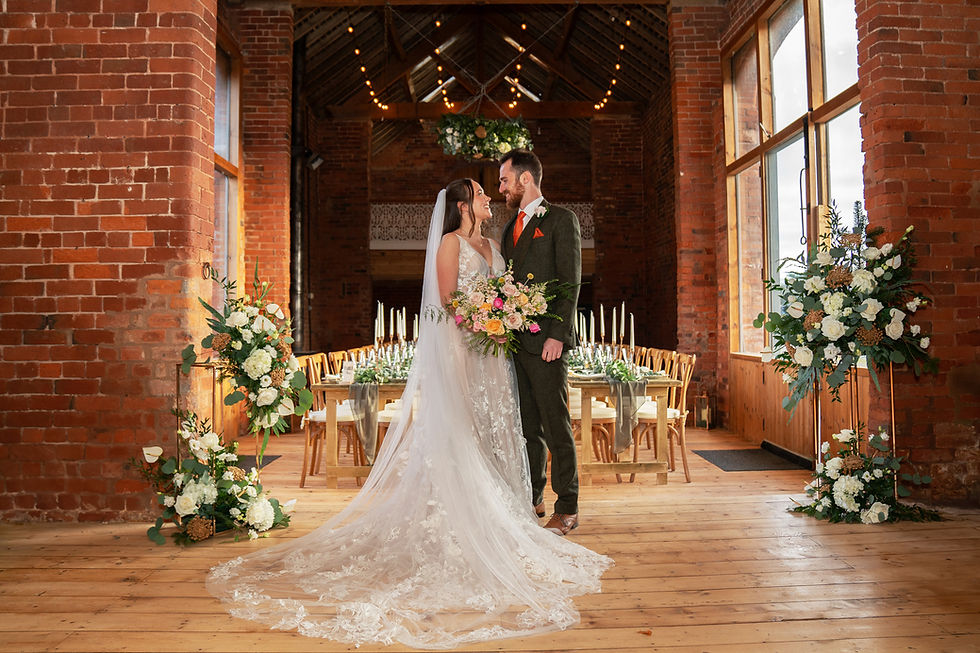
Vineyard weddings in Staffordshire might benefit from warm, golden editing that complements natural light, whilst intimate indoor ceremonies might require different colour correction to handle mixed lighting. Urban venues demand different editing treatment than countryside locations. Your editor considers these environmental factors when crafting the final look.
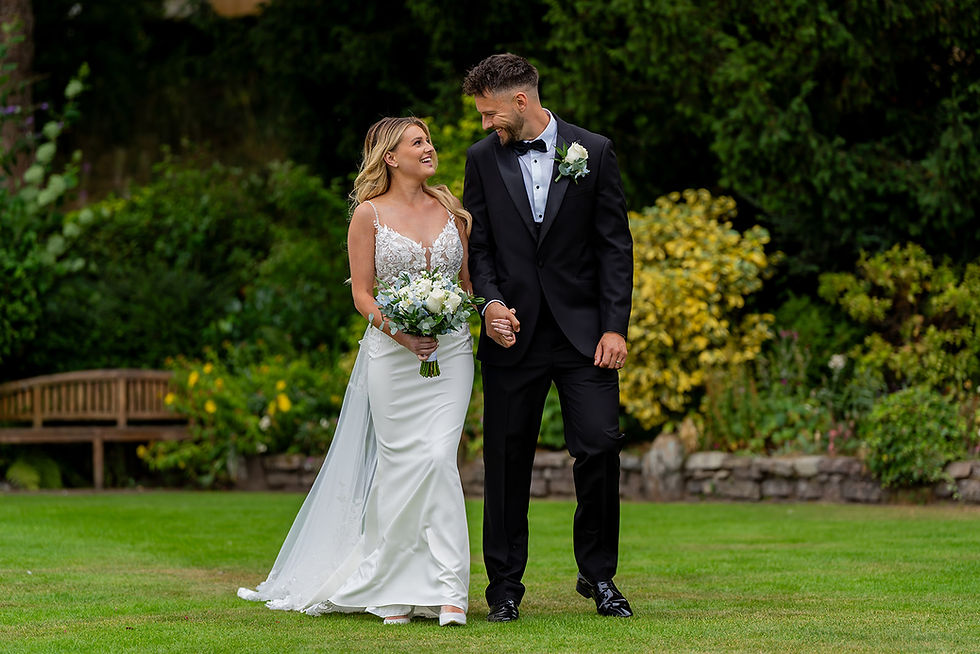
Video editing varies significantly too. Some couples prefer minimal cuts with long, flowing shots, whilst others enjoy quicker pacing with varied angles. Music selection dramatically shapes the emotional tone. Transition styles—from subtle fades to creative cuts—communicate energy and mood. The choice between colour grading consistency versus varied looks throughout the film affects the overall narrative feel.
What matters most is alignment between your chosen photography style and editing approach. Mismatched styles create visual discord. Professional editors understand these relationships and make intentional choices that enhance rather than contradict your chosen aesthetic. Your love story deserves editing that honours both the moments captured and your personal vision.
Here’s how different wedding editing styles compare their main characteristics:
Editing Style | Key Characteristics | Suitable Venues |
Documentary | Natural moments, minimal transitions | Outdoor, relaxed settings |
Contemporary | Bold colours, creative effects | Modern hotels, city venues |
Traditional | Classic palette, formal compositions | Churches, formal locations |
Pro tip: Request specific editing samples that match your chosen photography style before committing, rather than reviewing a general portfolio—this ensures the editor’s aesthetic aligns with your intended look.
Techniques for storytelling and emotional impact
The difference between a collection of nice shots and a genuine love story lies in how editors structure their narrative. Strong storytelling in wedding films requires intentional techniques that guide viewers through your day whilst building emotional resonance. These aren’t happy accidents—they’re deliberate creative choices that transform footage into something meaningful.
Creating emotional narratives through strategic editing involves establishing a clear narrative arc. Your story needs a beginning that introduces who you are, a middle that builds tension and anticipation through the day’s key moments, and a conclusion that resolves emotionally. Without this structure, even beautiful footage feels disconnected.
Pacing controls emotional intensity throughout your film. Slower cuts during vows create space for genuine emotion, allowing viewers to sit with the significance of the moment. Quick cuts during the reception build energy and celebration. Music selection amplifies this effect—a tender piano piece transforms one sequence, whilst upbeat arrangements inject joy into another. Editors manipulate these elements deliberately to guide your emotional journey.
Juxtaposition is a powerful technique that creates meaning through contrast. Placing your grandmother’s reaction next to your mother’s tears, or your nervous preparations alongside your partner’s excitement, tells a deeper story about who witnesses your commitment. These creative choices aren’t obvious to viewers, but they feel emotionally true.
Sound design matters equally to visuals. Natural audio—your voice saying vows, genuine laughter, your chosen songs—creates authenticity that no overlay can replicate. Silence, used sparingly, creates powerful moments. The right audio choice at the right moment transforms a sequence from pleasant to unforgettable.
Emotion and narrative mastery in editing requires understanding that every edit serves your story. Colour grading choices affect mood—warmer tones suggest intimacy, whilst cooler tones create sophistication. Transition choices communicate energy. Even how long you hold on a particular shot influences emotional weight.
The best editors understand your love story’s specific emotional truth and serve that above all else. They ask what makes your relationship unique, what moments matter most to you, and how best to communicate that to anyone watching. That’s the difference between technical editing and genuine storytelling.
Pro tip: During your initial consultation, share specific moments that make you cry or laugh, then ask your editor how they would approach editing those sequences—their answer reveals whether they prioritise emotional authenticity over technical perfection.
Tools and workflow for creative editing in the UK
Professional wedding editing isn’t just about having the right software—it’s about having a streamlined workflow that allows creative decisions to take priority over repetitive tasks. UK-based editors managing multiple weddings simultaneously need systems that accelerate the technical work without compromising artistic control. The tools you choose directly impact how much time you spend on meaningful creative work versus tedious administration.
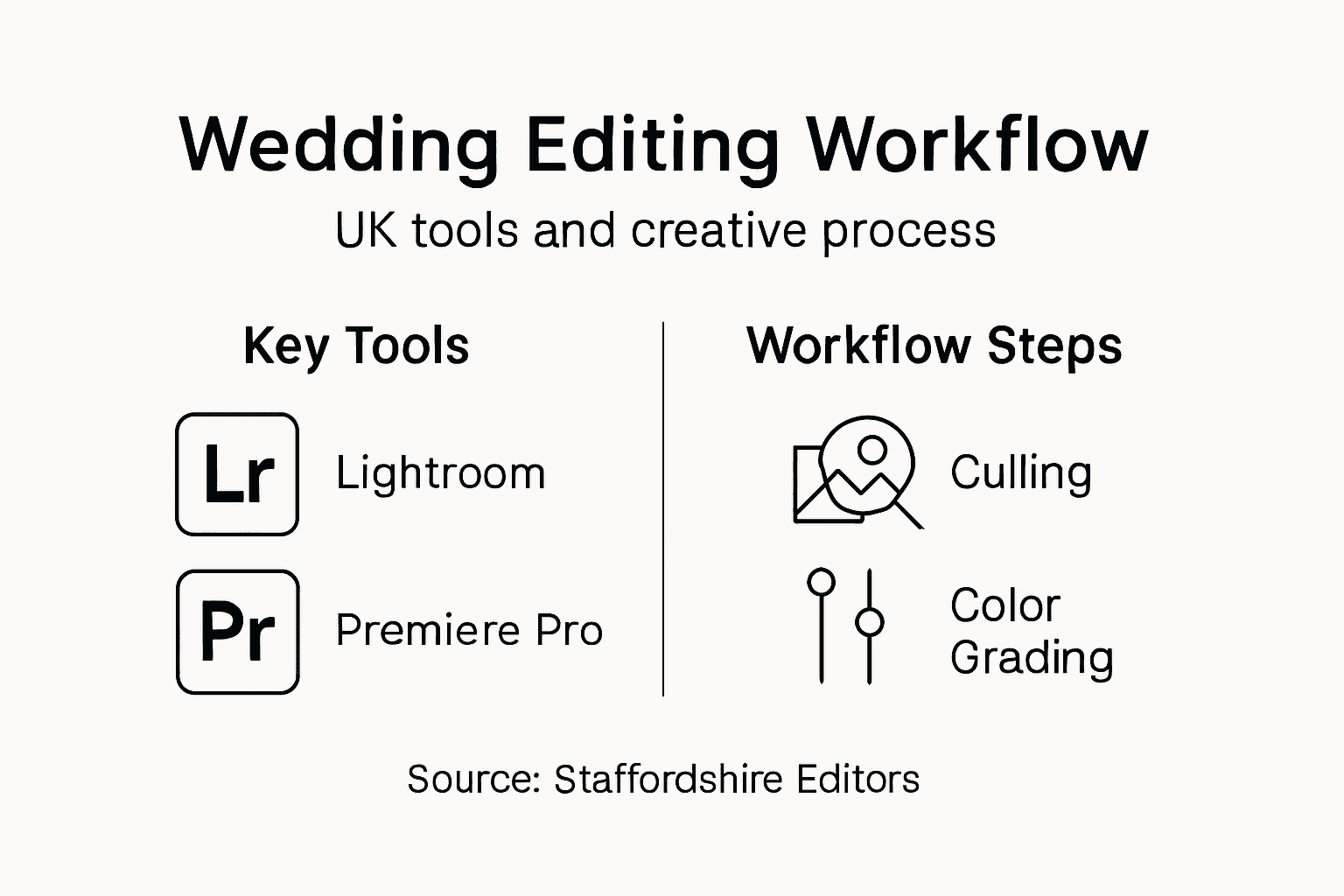
Modern editing platforms form the backbone of professional workflows. Adobe Lightroom and Premiere Pro remain industry standards, offering flexibility and integration capabilities that most professional editors depend upon. However, what separates efficient editors from overwhelmed ones is how they structure their process around these tools. A well-organised folder system, consistent naming conventions, and preset libraries save hours during busy seasons.
AI-driven editing technologies streamline repetitive tasks like culling and colour correction, learning your specific style preferences and applying them consistently across hundreds of images. These tools integrate seamlessly with Lightroom, automating the foundational work so editors can focus on creative decisions that truly matter. What once consumed entire days now takes hours, freeing time for the emotional storytelling that elevates your wedding story.
Workflow efficiency matters because it directly affects quality. When editors spend less time on technical grunt work, they invest more energy in understanding your unique narrative and crafting edits that serve it. A photographer managing 2,000 shots from your day needs reliable systems to identify the best moments without losing focus or making rushed decisions.
For video editors, similar principles apply. Organising footage by scene, creating colour-coded timelines, and establishing consistent grading templates accelerates the editing process. Secondary storage systems and backup protocols are non-negotiable in the UK, where weather and power issues can interrupt work. Professional editors maintain redundant systems ensuring your memories stay safe.
The most successful Staffordshire-based editors combine traditional craft knowledge with modern technological efficiency. They understand that brilliant tools mean nothing without intentional artistic decisions. The workflow serves the storytelling, not the reverse.
Pro tip: Ask potential editors about their backup and storage systems during consultations—their answer reveals whether they prioritise protecting your memories as seriously as creating them.
Common pitfalls and how to avoid them
Even experienced professionals encounter editing pitfalls that can undermine the quality of your final film or photograph package. Understanding these common mistakes helps you recognise red flags when booking professionals and understand why certain editing choices matter. The difference between good and exceptional results often comes down to avoiding these preventable errors.
One critical mistake is insufficient planning and communication. Many editing disasters begin before footage even arrives at the editor’s desk. Poor preparation and lack of client communication create situations where editors don’t understand your vision, leading to results that miss the mark entirely. This is entirely preventable through detailed consultations where you discuss your preferences, priorities, and emotional tone you want your film to convey.
Over-editing is another common pitfall. Some editors become so focused on demonstrating technical skill that they lose sight of authenticity. Heavy colour grading, excessive transitions, and unnecessary effects distract from your story rather than enhance it. Your wedding happened in reality, not a fantasy world. The best editing amplifies genuine moments rather than transforming them into something artificial.
Mismanaged expectations damage relationships with couples. When editors promise turnaround times they can’t meet or suggest editing styles they can’t execute, disappointment inevitably follows. Clear communication about timelines, revision rounds, and what’s included in your package prevents these conflicts. Professional editors set realistic expectations upfront rather than over-promising and under-delivering.
Equipment failures and inflexible scheduling derail countless projects. Professional editors maintain backup systems, redundant storage, and contingency plans. They don’t work from single hard drives or rely on cloud services without backups. Your memories are too precious for careless technical practices.
Failing to scout your venue creates editing challenges that compound throughout post-production. Editors who don’t understand your venue’s lighting conditions, architecture, and available shots can’t anticipate the creative opportunities or challenges your day presents. This groundwork directly influences their editing decisions and the final aesthetic they create.
Ignoring your unique love story represents perhaps the most damaging pitfall. Some editors apply the same editing approach to every wedding, creating beautiful but generic results. Your relationship is distinct. Your editing should reflect that specificity, not follow a one-size-fits-all template.
Consider these main pitfalls in wedding editing and practical ways to avoid them:
Common Pitfall | Preventative Strategy | Why It Matters |
Insufficient planning | Hold detailed client consultations | Ensures vision matches outcome |
Over-editing | Prioritise authenticity in edits | Preserves genuine emotion |
Ignoring venue specifics | Visit and pre-scout the location | Anticipates lighting and shot issues |
Ineffective backups | Use redundant storage solutions | Protects irreplaceable memories |
Pro tip: During your consultation, ask potential editors about specific challenges they’ve encountered on similar venue or season weddings, then listen carefully to how they problem-solved—this reveals whether they plan proactively or react after mistakes occur.
Elevate Your Wedding Story with Expert Creative Editing
Crafting a wedding film or photo collection that truly resonates requires more than technical skill—it demands thoughtful storytelling and emotional connection. If you are searching for a professional team that understands the importance of authenticity, pacing, and narrative arc in your wedding memories, look no further. Our approach at Wedding Film Photography focuses on natural, documentary-style coverage that highlights genuine emotions and the unique moments that define your love story.
Experience the difference that expert creative editing can make with our award-winning Staffordshire-based photographers and videographers. Whether your venue is a rustic countryside estate or a modern city location, we tailor our editing style to complement your setting and personal style. Take the first step today by exploring how we combine cinematic storytelling with candid imagery at Wedding Film Photography. Connect with us to discuss your vision and ensure your wedding memories receive the thoughtful curation they deserve.
Frequently Asked Questions
What is creative wedding editing?
Creative wedding editing is the thoughtful process of transforming raw footage into a compelling narrative that reflects a couple’s unique love story. This involves various technical skills like colour grading, sound design, and careful selection of moments to enhance storytelling and emotional depth.
How does editing style impact the final wedding film?
The editing style significantly influences the mood, pacing, and overall aesthetic of the wedding film. Different styles, such as documentary, contemporary, or traditional, require distinct editing techniques and colour palettes that align with the couple’s vision and the nature of the wedding.
Why is storytelling important in wedding editing?
Storytelling in wedding editing is crucial because it helps structure the film into a coherent narrative that captures key moments and emotions throughout the day. A strong narrative arc engages viewers and creates an emotional experience that goes beyond just a collection of clips.
What should I ask my wedding editor during consultations?
During consultations, ask your wedding editor about their editing approach, specific techniques they use to enhance storytelling, and how they ensure that your unique love story is reflected in the final product. This will help you assess their commitment to authenticity and creativity.
Recommended

Comments