
How to Plan Candid Wedding Shots for Authentic Moments

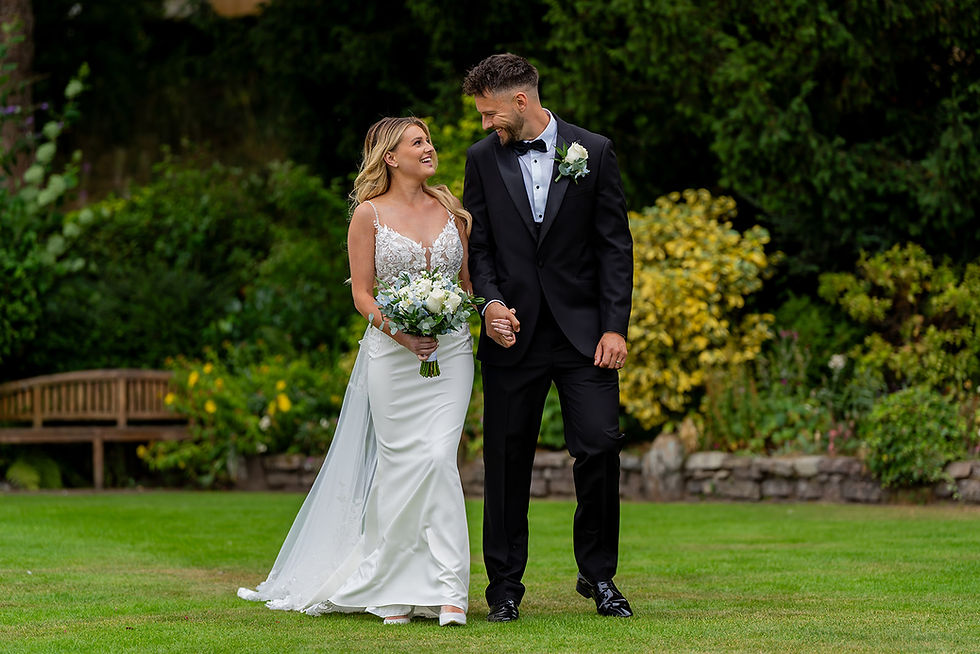
Real emotion makes wedding photos timeless, yet trying to capture every meaningful moment can quickly feel impossible. For couples in Staffordshire who dream of a documentary-style celebration, knowing how to prioritise and communicate those authentic interactions is key. Research shows that candid photos convey authenticity and forge deeper emotional connections, making your wedding story truly personal. This guide reveals the essential steps for clearly defining your candid shot priorities, aligning with your photographer’s approach, and ensuring your most treasured moments are beautifully preserved.
Table of Contents
Quick Summary
Key Insight | Explanation |
1. Define candid moment priorities | Identify key interactions and emotions you want captured; this helps photographers focus on what truly matters to you. |
2. Align with photographer’s style | Ensure your photographer’s candid approach matches your vision to avoid disappointment in the final images. |
3. Identify specific candid moments | List 5 to 7 must-have candid moments to share with your photographer, allowing them to prepare effectively for your wedding day. |
4. Plan timeline for natural interactions | Design a flexible wedding timeline that allows unhurried periods for genuine interactions and candid moments to unfold naturally. |
5. Review shot list collaboratively | Discuss your priorities and any venue constraints with your photographer to ensure alignment and adaptability on the day. |
Step 1: Define your candid wedding shot priorities
Before your photographer arrives on the morning of your wedding, you need to get clear on what candid moments matter most to you. This isn’t about creating a rigid shot list—it’s about understanding which authentic interactions and emotions you actually want preserved. When you skip this step, your photographer spends the day guessing what matters, which often means missing the moments you’ll treasure most.
Start by thinking about the relationships and stories that define your wedding day. Who are the people whose genuine reactions matter most to you? Your mum seeing you for the first time in your dress? Your best friend’s unguarded laugh during the ceremony? The quiet moment when your partner first spots you walking down the aisle? These are the moments that candid photos convey authenticity far more powerfully than any posed image. Research shows that authentic candid shots create stronger emotional connections with viewers because they reveal genuine human emotion rather than a manufactured smile.
Next, consider which parts of your day tend to be the most candid by nature. The getting-ready period usually overflows with laughter, tears, and real moments. The time between ceremony and photos often features relaxed celebrations and genuine interaction. Reception speeches, first dances, and cake-cutting moments offer excellent opportunities for capturing authentic reactions. Walk through your timeline and identify 4 to 6 key periods where you expect authentic moments to naturally unfold. These become your priority zones. Then think about the specific relationships you want documented. Beyond the obvious (you and your partner), consider your parents, close friends, and extended family members whose genuine expressions would mean something to you years from now.
One practical approach is to consider what you’ll actually want to look at repeatedly. Forget about tradition for a moment. Your wedding day is unique, so your priorities might differ from another couple’s. Maybe you don’t care much about getting-ready shots but you desperately want genuine photographs from your reception. Maybe you want your photographer to focus heavily on capturing your guests enjoying themselves rather than formal family groupings. Whatever your preferences, articulate them clearly so your photographer understands where to focus their energy and attention throughout the day.
You should also think about the storytelling style that resonates with you. Do you want your photographer capturing split-second reactions and genuine interactions, or do you prefer slightly more composed candid moments that still feel natural? Some couples love the documentary approach where the photographer becomes almost invisible, catching everything unfiltered. Others prefer their photographer to gently position people in naturally lit spots before capturing candid moments. Understanding where you fall on this spectrum helps your photographer work in a way that actually matches your vision rather than their assumption about what you want.
Pro tip: Write down your top three candid moments you absolutely must have captured, then share these with your photographer during your planning call. This single conversation often prevents misunderstandings and ensures your photographer knows exactly where to position themselves and what to prioritise on the day.
Step 2: Coordinate with your photographer’s style and approach
Your photographer’s style and your vision need to align, otherwise you’ll end up with images that don’t feel like yours. This step involves understanding how your photographer actually works, what their candid approach looks like, and whether their method matches what you’re hoping to achieve on your wedding day. Many couples assume all photographers work the same way, but the reality is far more nuanced. One photographer might hover discreetly in the background capturing everything, whilst another prefers to subtly guide people into naturally lit moments before pressing the shutter. Getting this right from the start prevents disappointment later.
Begin by reviewing your photographer’s portfolio with specific attention to their candid work. Don’t just look at whether the images appeal to you aesthetically. Instead, analyse how they’ve captured moments. Are the people in the background aware of the camera, or does everything feel genuinely unposed? Do the candid shots feel like stolen moments, or do they have a slightly more intentional quality? Are your potential photographer’s images predominantly taken from a distance, or do they move in closer to capture details and expressions? Look at their get-ready shots, their ceremony coverage, and their reception photos separately because photographers often have different approaches for each. Understanding a photographer’s style through their past work gives you genuine insight into whether they can deliver what you actually want.
During your initial consultation call, discuss the specific aspects of their approach that matter to you. Ask how they position themselves during key moments. Do they typically stay in one spot and use a telephoto lens, or do they move around? Ask how they decide when to take a shot versus when to wait for a more natural moment. Explain what candid feels like to you. Some couples describe it as “you should hardly know the photographer is there,” whilst others say “I want natural moments but with beautiful light and composition.” These are different requests that require different approaches. Discuss whether they prefer to do any posing or gentle positioning before capturing candid moments, and whether that aligns with your preferences. Talk about the moments you’ve identified as your priorities and ask whether their natural working style will capture those effectively. Professional photographers will openly discuss their process because pre-event communication is essential to clarifying expectations and shooting plans.
It’s also worth asking about their philosophy on wedding days themselves. Some photographers view their role as a documentary observer, capturing everything that unfolds without influence. Others believe in creating conditions for authentic moments to happen by suggesting natural positions or pointing out beautiful light. There’s no objectively correct approach, but one might suit your wedding day better than the other. If you’ve already chosen your photographer, this conversation helps you prepare them mentally for what you’re hoping for. If you’re still deciding, this conversation often becomes the deciding factor. A photographer with an excellent portfolio who works in a way that frustrates you is ultimately not the right choice, regardless of their technical skill or reputation.
One final consideration involves discussing how your photographer handles the balance between getting must-have moments and staying invisible. Ask them how they ensure key moments don’t get missed because they were too focused on blending in. This reveals their confidence and experience. A seasoned photographer knows how to position themselves strategically before moments happen, rather than scrambling reactively after they’ve begun. They understand anticipation, which is what separates candid photography from chaotic snapshots.
This table clarifies approaches to candid wedding photography and their effects:
Approach | Photographer Role | Typical Result |
Documentary/invisible | Observes without interference | Unscripted, natural moments |
Guided positioning | Suggests locations/light | Composed yet authentic scenes |
Anticipatory/strategic | Moves proactively | Captures key reactions |
Professional tip: Send your photographer the shot priorities you’ve identified, along with a reference image or two that show the candid style you love, then ask them to confirm that their natural approach aligns with capturing those moments effectively.
Step 3: Identify key candid moments to capture
Now that you understand what candid photography means and how your photographer works, it’s time to get specific about which moments you actually want captured. This isn’t about creating an exhaustive checklist. Instead, you’re identifying the emotional beats and interactions that will matter most when you look back at your wedding photos. The difference between a wedding album that feels like your story and one that feels generic often comes down to whether your photographer knew which moments mattered to you.

Think about your day chronologically and consider the genuine interactions that will happen naturally. During getting ready, you might want your photographer to capture your mum’s reaction when she sees you for the first time, or the moment you and your partner see each other before the ceremony. During the ceremony itself, candid moments include your partner’s facial expression when you walk down the aisle, guests’ emotional reactions, and the spontaneous gestures of affection between you both. These moments tell the real story of your day. After the ceremony, as people celebrate and relax, you’ll have opportunities for genuine laughter, embraces, and the kind of unguarded joy that makes wedding photos meaningful. At the reception, key candid moments include interactions between the couple and guests, children being playful, spontaneous acts of affection, and emotional reactions to speeches or toasts. These are the moments that reveal authentic human emotion rather than staged performance.
Beyond the obvious moments involving you and your partner, think about the people and relationships you want documented. Do you want candid shots of your parents together, your best friends celebrating, your siblings’ genuine happiness? These moments often become treasured memories because they capture people you love in their most authentic state. Consider your extended family and close friends. Maybe you want to see your grandparents dancing, your cousins laughing together, or that moment when someone unexpectedly gets emotional during a speech. Professional photographers understand that moments reflecting genuine human emotion and connection create images that tell deeper stories beyond staged portraiture. The tender look between you and your partner matters. The uncontrollable laughter shared with your bridesmaids matters. The proud expression on your parent’s face matters.
Here’s a practical approach. Write down five to seven key moments you absolutely want captured, then share these with your photographer. These become your candid shot priorities. Examples might include “my partner’s reaction when I walk down the aisle,” “genuine laughter during the reception with my closest friends,” “my parents dancing together,” or “moments of quiet tenderness between my partner and me.” Share these priorities with your photographer well before the wedding day. This conversation prevents your photographer from being caught off guard and allows them to position themselves strategically to capture these moments when they happen.
Here are examples of candid wedding moments and how they contribute to your wedding story:
Moment Type | Typical Setting | Emotional Impact |
Parent’s first reaction | Getting ready | Creates lasting memories |
Partner’s aisle reaction | Ceremony | Reveals genuine emotion |
Close friends’ laughter | Reception | Shows joyful atmosphere |
Spontaneous dancing | Evening celebration | Reflects fun and energy |
Tender couple moments | Throughout the day | Deepens story connection |
You should also discuss how your photographer will balance capturing these prioritised moments whilst staying ready for unexpected candid opportunities. The best wedding photographers know how to anticipate moments before they fully unfold, which means they’re already positioned and ready with their camera settings adjusted. They’re not scrambling to capture something after it has already happened. This combination of intention and readiness is what separates professional candid photography from lucky snapshots.
Professional tip: Create a simple document listing your five to seven key candid moments alongside the location where each will likely happen and the people involved, then share this with your photographer at least two weeks before your wedding so they can mentally prepare and understand your priorities.
Step 4: Plan the wedding timeline for natural interactions
Your wedding timeline directly influences whether candid moments happen naturally or feel forced and rushed. A schedule packed with back-to-back formalities leaves no room for genuine interaction, which means your photographer struggles to capture authentic moments. By contrast, a thoughtfully planned timeline with built-in breathing room creates the conditions for spontaneous interactions and real emotions to unfold. This step involves designing your day so that natural moments have space to develop, rather than getting squeezed out by logistics.
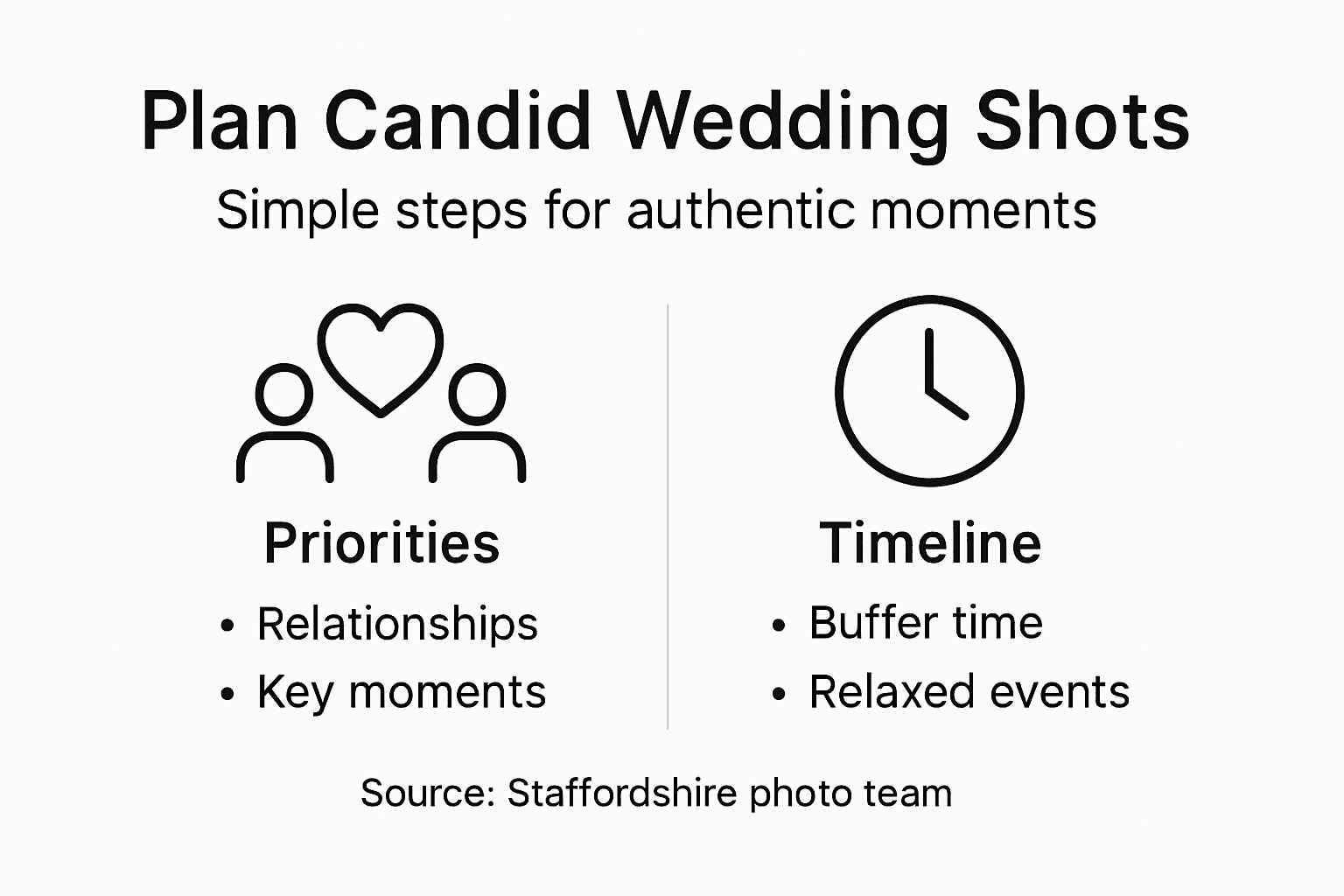
Start by examining your current timeline with fresh eyes. Where are the unhurried periods where people can relax and interact genuinely? Planning the timeline to include unhurried periods allows for natural moments to develop, which means you need to identify spots where your guests aren’t being herded between formal activities. The getting-ready period is one of the most naturally candid times of your wedding day, so protect that time and don’t rush it. If you’re building in a first look or having quiet moments with your partner before the ceremony, allow those interactions to happen without pressure. During the ceremony itself, resist the urge to pack in every possible reading or ritual. A shorter ceremony that feels meaningful is far better than an extended one where guests grow restless and genuine emotion gets lost. After the ceremony, many couples schedule an immediate photo session with their wedding party. Consider instead building in 30 minutes where guests can mingle, celebrate, and interact naturally before formal photography begins. This transition period often yields some of the most authentic candid shots because everyone is genuinely happy and relaxed.
The reception timeline matters enormously. Stagger your activities so there are natural pauses where conversation and celebration can happen. A common mistake is scheduling speeches, cake-cutting, and first dance all within an hour. This creates a relentless march of formalities that doesn’t allow genuine interaction to breathe. Instead, spread these moments throughout your evening. Start with social time and food, then have speeches mixed in, then dancing, then cake. This rhythm gives your photographer multiple opportunities to capture people being themselves rather than people performing scheduled duties. When guests have time to actually talk with each other, dance freely, and celebrate without rushing to the next formal moment, candid moments flow naturally. Your photographer simply needs to be present and ready to capture what’s already happening.
A well-paced itinerary balancing formalities and relaxed socialisation supports authentic candid moments. This doesn’t mean your wedding should feel chaotic or unplanned. Rather, it means your formalities have clear structure whilst your social time is genuinely free. Communicate your timeline to your photographer early so they understand the rhythm of your day and can position themselves strategically. Let them know when you expect your key candid moments to happen, which periods will be busiest, and where guests will naturally congregate. A photographer who knows your timeline can anticipate moments rather than scrambling to react.
Finally, build buffer time into your schedule. Weddings rarely run exactly to plan, and couples often want more time in certain moments than originally scheduled. If you’ve allocated zero flexibility, you’ll find yourself cutting other moments short or running late. A 15-minute buffer between major segments gives you grace if something takes longer than expected without triggering a cascade of delays. This buffer also creates natural pauses where genuine interactions happen because nobody is anxiously watching the clock.
Professional tip: Share your detailed timeline with your photographer at least one month before your wedding, highlighting the moments you’ve identified as priorities and flagging which periods you expect to feel most naturally relaxed and candid.
Step 5: Review and refine your shot list with your photographer
You’ve identified your priorities, understood your photographer’s style, and planned your timeline. Now it’s time to bring everything together in a detailed conversation with your photographer about exactly what you want captured. This isn’t about creating a rigid checklist that constrains your photographer’s creativity. Rather, it’s about ensuring you’re aligned on what matters most and that your photographer understands your vision clearly enough to execute it well. A collaborative review prevents misunderstandings and gives your photographer the context they need to work effectively.
Schedule a dedicated call or meeting with your photographer specifically to review your shot list. Bring all the elements you’ve developed so far: your priority moments, your timeline, and reference images showing the candid style you love. Start by walking through your timeline chronologically and discussing where you expect candid opportunities to emerge. For the getting-ready period, discuss what moments matter most. Are you hoping for candid shots of everyone together, or do you want intimate details of getting dressed mixed in? During the ceremony, clarify which emotional reactions you want captured. After the ceremony, explain your plan to have social time before formal photos, and discuss how your photographer will position themselves to capture genuine celebration. For the reception, talk through your staggered activities and identify which moments feel most candid to you. This conversation helps your photographer visualise your day and understand your rhythm.
Collaborative review of the shot list with your photographer prior to the wedding day ensures alignment on priorities, which means you should discuss any venue constraints or timing limitations that might impact what’s possible. For example, if your ceremony venue has restrictions on photography, discuss how your photographer will adapt. If certain rooms have poor lighting, talk about how that affects candid options. If you’re getting married in a small space, your photographer needs to know how to work discreetly. These practical conversations prevent frustration on the day when your photographer suddenly discovers a constraint you didn’t mention. Additionally, professional photographers recommend ongoing communication about shot lists including candid moments to ensure all desired memories are captured accurately and at the right moment.
During this review, ask your photographer how they’ll balance your priority moments with unexpected opportunities. The best photographers don’t just mechanically work through a checklist. Instead, they capture your priorities whilst staying alert for spontaneous moments that tell your story. Discuss how you want them to handle the inevitable moment when multiple things happen at once. If you’re exchanging vows and your mum gets emotional at the same moment your best friend laughs with someone else, which gets priority? Your photographer can’t be in two places at once, so understanding your priorities helps them make decisions in the moment.
Before finishing this conversation, confirm the final details. How will your photographer receive your shot list? Will they print it or keep it on their phone? When should you send it, and will they send back a version with their notes? What’s the plan if something on your list becomes impossible due to circumstances on the day? A good photographer will assure you they’ll communicate flexibly and capture what matters most, even if the exact plan shifts slightly. This conversation transforms your shot list from a rigid document into a shared understanding that guides your photographer’s work without constraining their ability to capture authentic moments.
Professional tip: Send your final shot list to your photographer at least three weeks before your wedding, then schedule a brief follow-up call one week before the event to confirm nothing has changed and to address any last-minute questions about your venue or timeline.
Capture Your Wedding’s Most Genuine Moments with Expert Guidance
Planning candid wedding shots that truly reflect the authentic emotion and natural interactions of your special day can be challenging. From identifying your top priorities to coordinating seamlessly with your photographer’s style and crafting the perfect timeline for spontaneous moments, every detail matters. At Wedding Film Photography we understand the value of storytelling through relaxed, documentary-style coverage that honours your unique love story. Our personalised approach ensures your must-have candid moments, like your partner’s first look or heartfelt guest reactions, are beautifully captured exactly as you envision.
Don’t leave your wedding memories to chance. Trust our experienced team in Staffordshire to transform your candid shot priorities into timeless images and cinematic films. Explore our comprehensive services and discover how our unobtrusive presence, expert planning collaboration, and emotional storytelling will bring your authentic moments to life. Contact us today to start planning your personalised photography experience and guarantee your wedding day feels as natural and unforgettable as it truly is.
Frequently Asked Questions
What are the key moments to plan for candid wedding shots?
To capture authentic moments, focus on emotionally significant interactions, such as your partner’s expression when you walk down the aisle or your parents’ genuine reactions during the ceremony. Identify 5 to 7 key moments you want documented and share this list with your photographer at least two weeks before your wedding.
How can I communicate my candid photography style to my photographer?
Clearly discuss your vision of candid photography during your consultation. Explain whether you prefer a documentary style where the photographer remains unnoticed or a more guided approach, and provide reference images to illustrate your preferences.
How should I structure my wedding timeline for candid moments?
Create breaks in your schedule to allow for natural interactions, especially after formal events like the ceremony. Aim to include at least two 30-minute periods of unstructured time during the reception for guests to celebrate and engage, which helps your photographer capture genuine candid shots.
How can I ensure my photographer knows my priorities for candid shots?
Schedule a conversation with your photographer to review your identified key moments and timeline. Send them your final shot list at least three weeks in advance, and ensure to discuss how they will balance capturing these moments with being ready for unexpected opportunities.
What should I include in my shot list for candid wedding photography?
Your shot list should include specific emotional interactions you want captured, such as laughter with friends or tender moments with family. List 5 to 7 must-have candid moments along with the individuals involved, and provide this list to your photographer for better alignment on expectations.
How do I choose the right photographer for candid shots?
Review photographers’ portfolios to see their candid work and how they capture moments. During initial consultations, ask about their approach to candid photography and ensure it aligns with your vision of authenticity and emotional storytelling.
Recommended

Comments