
Must-capture ceremony moments: your complete checklist

Every wedding ceremony contains roughly fifteen moments that, if missed, cannot be recreated. Hand this list to your photographer or videographer at least two weeks before the day.
The core must-capture ceremony moments:
Venue exterior and establishing wide shots
Guests arriving and being seated
Partner(s) waiting at the altar
Parent and VIP entrances
Bridal processional
Readings and key ceremony speakers
Exchange of vows (faces, not just hands)
Ring exchange (close-up of hands and faces)
Signing the register
Cultural or religious rituals unique to the couple
The first kiss and immediate reaction frames
Recessional and exit (confetti, petals, or bubbles)
Candid guest reactions throughout
Family and group formals
Couple portraits and detail shots (rings, bouquet, dress, stationery)
Key takeaways
The single most important principle in ceremony coverage is this: prioritise non-repeatable moments first, coordinate shooter positions in advance, and treat the shot list as a priority map for photographers rather than an exhaustive contract.
Point | Details |
Tier 1 moments are non-negotiable | Processional, vows, ring exchange, first kiss, and recessional cannot be recreated if missed. |
Ceremonies run 20–30 minutes | Tight coordination between lead and second shooters is essential within that window. |
Brief suppliers two weeks out | Share the named family list, timing windows, and venue restrictions before the day. |
Shot lists work as priority maps | Two strong angles of the vows serve editors better than roaming across 40 moments. |
Weddingfilmphotography covers the full sequence | Combined photo and video packages include a pre-wedding planning consultation to build your brief. |
Table of Contents
The must-capture ceremony moments, shot by shot
A structured shot list grouped by day phase reduces missed coverage and keeps photo and video teams aligned. Here is how to work through the ceremony in sequence.
Before the ceremony begins
Arrive at least 45 minutes early. The first frames to take are wide establishing shots of the venue exterior, then the interior with guests filtering in. These set the scene for the whole film or album. Shoot the floral arrangements, the aisle, and the order-of-service cards on seats before anyone sits down.
Once guests are seated, shift to the partner waiting at the altar. A medium shot showing nervous energy, a glance at the door, a quiet word with the best man: these frames carry enormous emotional weight and are easy to miss if you arrive late.
Pro Tip: Shoot the waiting partner from a side angle rather than head-on. A 70–200mm lens at the back of the room lets you compress the aisle and show the full length of the space without intruding.
Processional order and shooter positions
Cover entrances in this sequence: parents and VIPs first, then the wedding party, then the lead partner or bride. Teams of two or three shooters should rotate through three positions: centre aisle (for the full-length walk), left side (for expression), and right side (for the waiting partner’s reaction). Never have both shooters in the same spot.
For the bridal entrance specifically, one shooter stays at the altar end to capture the waiting partner’s face the moment they see their bride or partner walk in. That reaction is often the most emotional frame of the entire day.
Core ceremony: vows, rings, and signing
Ceremony coverage should prioritise the entrance, vows, ring exchange, kiss, and recessional, with guest reactions used to convey emotional context. During vows, shoot faces, not just hands. A tight 85mm or 135mm frame on each partner’s expression as they speak their words is the image couples return to most.

Ring exchange needs two angles simultaneously: a macro or close-up of hands (50mm or 85mm, shallow depth of field) and a wider frame showing both faces. If you only have one shooter, prioritise the hands close-up and catch the faces immediately after.
Signing the register is often overlooked but matters legally and emotionally. Shoot it from a slight angle so you see both faces and the pen on paper, not just the top of two heads.
First kiss and recessional
Communicate with the officiant before the ceremony to learn the exact verbal cue that announces the kiss. Knowing the phrase in advance means you can move into position ten seconds early rather than reacting after the moment has started.
For the recessional, pull back to a wide frame first to capture the crowd’s energy and the full aisle, then tighten as the couple reaches the door. Confetti, petal throws, and bubble exits all need a fast shutter speed (1/500s or faster) to freeze movement cleanly.

Don’t overlook these detail shots
Detail shots complete the story. They give editors cutaway material and give couples the small, irreplaceable images that bring the day back vividly years later. A dedicated detail photography workflow keeps this coverage efficient.
The highest-value details to capture:
Rings on a surface: shoot on the order-of-service card, a flower petal, or the bride’s bouquet. Use a macro lens or extension tube, f/2.8 or wider, and natural light where possible.
The bouquet: a full-length shot and a close-up of the blooms. Capture it before the processional while it is still fresh and perfectly arranged.
Dress details: buttons, lace, the train laid out. Shoot these in the getting-ready space or just outside the ceremony room before the processional begins.
Shoes: a quick frame on a chair or step, ideally with the dress hem visible.
Vow cards: if the couple wrote their own vows, a close-up of the handwritten card is a meaningful detail that is easy to miss.
Signage and stationery: welcome signs, order-of-service booklets, and table cards visible before the ceremony starts. These disappear or get moved quickly.
Venue styling: candles, pew ends, aisle petals, altar flowers. Shoot these before guests arrive and again during a quiet moment mid-ceremony if positions allow.
When time is tight, prioritise in this order: rings, bouquet, dress. These three cannot be recreated once the day moves on. Shoes and stationery are secondary; venue styling is tertiary.
Family formals and couple portraits after the ceremony
Getting family photos done efficiently is one of the biggest time-savers of the day. A clear order prevents the 45-minute group-photo spiral that eats into the reception.
Immediate family of both partners together (parents, siblings): 3–4 minutes.
Each set of parents separately with the couple: 2 minutes per set.
Grandparents with the couple: 2 minutes. Prioritise elderly relatives first; they tire quickly and may need to leave early.
Siblings and their families: 2–3 minutes per group.
Extended family groups: 2 minutes each, but cap the total list at eight groups or you will run over.
Wedding party as a full group: 3–4 minutes.
Bridesmaids and groomsmen separately: 2 minutes each.
Build a named list in advance and share it with a family liaison, not just the photographer. Someone who knows the guests by face needs to round people up; the photographer cannot do both jobs.
For couple portraits, even a five-minute window immediately after formals produces strong images. Move the couple 30 metres from the crowd, find open shade or a clean background, and shoot 20–30 frames. That is enough for a gallery highlight. Golden hour (the final 30–40 minutes before sunset) produces the warmest light of the day and is worth scheduling a second portrait window for if the timeline allows.
If the couple chose a first-look before the ceremony, use the post-ceremony portrait slot for creative or location-specific frames rather than repeating the same emotional beats you already covered.
Cultural and blended-family note: for ceremonies involving step-parents, divorced parents, or cultural traditions around family hierarchy, agree the grouping order with the couple in advance. Never assume a standard Western nuclear-family structure.
How to prioritise when coverage time is limited
Organising coverage by hours booked clarifies which story beats are realistic. A six-hour booking covers the core ceremony and essentials; ten hours allows the full story including golden hour and exit. When time or crew is short, use this priority framework.
Tier 1: non-repeatable (never skip)
Processional and partner’s reaction
Exchange of vows (faces)
Ring exchange (hands close-up)
First kiss
Recessional
Tier 2: important but manageable if one is missed
Signing the register
Guest reactions during vows
Family formals (can be shortened, not skipped entirely)
Couple portraits (can be condensed to five minutes)
Tier 3: nice-to-have when time allows
Detail shots beyond rings and bouquet
Extended group shots
Venue exterior at golden hour
Cultural ritual detail shots (if already covered in Tier 1 core)
A single shooter working alone should stay at the altar end for vows and rings, then move to the aisle end for the recessional. When time is tight, favour faces and hands during vows and rings; these communicate commitment and emotion more reliably than decorative extras.
Practical timing, crew positions, and your printable shot-list
Typical ceremonies last between 20–30 minutes, which makes tight coordination between photographers and videographers non-negotiable. Every minute counts.
Crew positions during a 20–30 minute ceremony
Phase | Lead shooter position | Second shooter position |
Pre-ceremony (guests seated) | Centre aisle, mid-room | Left side, near altar |
Processional | Centre aisle, altar end | Right side, entrance end |
Vows and rings | Left side, tight on faces | Right side, wide context |
First kiss | Centre aisle, altar end | Right side, reaction shots |
Recessional | Centre aisle, mid-room | Left side, crowd reactions |
Dividing shot lists into smaller, role-specific lists prevents duplicate coverage and missed moments. Share a version with each shooter before the day.
Pro Tip: Brief the videographer and photographer together, not separately. If both are shooting the vows from the centre aisle, one of them is in the other’s frame. Agree positions in advance.
Printable shot-list template
Pre-ceremony
Venue exterior (wide)
Interior with guests arriving
Floral and stationery details
Partner waiting at altar
Parent and VIP entrances
Ceremony core
Processional (full walk + reaction)
Readings and speakers
Vows (faces, both partners)
Ring exchange (hands + faces)
Signing the register
Cultural or religious rituals
First kiss (+ immediate reactions)
Recessional
Post-ceremony
Guest reactions and candid moments
Family formals (named list)
Couple portraits
Detail shots: rings, bouquet, dress
A structured checklist grouped by phase helps both the couple and the crew stay aligned on what matters most.
How to brief your photographer or videographer
A clear brief prevents day-of confusion. Send it at least two weeks before the wedding.
Questions to ask your photographer or videographer before the day:
What is the verbal cue the officiant uses to announce the kiss?
Are there any no-flash or no-movement restrictions inside the venue?
Is the ceremony ‘unplugged’? If so, ask the officiant to announce it and include the request on signage and programmes to keep sightlines clear.
Are there cultural or religious rituals the photographer has not covered before?
How many shooters will be present, and what are their assigned positions?
Checklist items to include in your brief:
The full named list of family formals in priority order
Tier 1 non-repeatable moments (from the priority section above)
Any VIP guests who must appear in candid shots (grandparents, elderly relatives)
Timing windows: ceremony start, formals slot, portrait window, golden hour
Venue restrictions: tripod rules, flash rules, movement during ceremony
Sample brief lines you can paste and adapt:
“Our ceremony starts at 2:00 PM and runs approximately 25 minutes. Please prioritise vows, ring exchange, and the first kiss above all else. Family formals list attached. We would like a five-minute couple portrait session immediately after formals, with a second golden-hour session at approximately 6:30 PM.”
“The ceremony is unplugged. The officiant will announce this at the start. Please confirm with the venue whether flash is permitted during the signing of the register.”
A wedding photography preparation guide can help you structure the full day’s brief, not just the ceremony.
What most couples get wrong about ceremony coverage
The most common mistake is treating the shot list as a contract rather than a priority map. Couples hand over a list of 40 moments and expect every one delivered; photographers feel pressured to roam and miss the three frames that actually matter. Shot lists work best as priority maps: two strong angles of the vows serve an editor far better than excessive roaming across the room.
The second mistake is underestimating how quickly a ceremony moves. Twenty-five minutes sounds like plenty of time. It is not, once you account for a late start, a longer-than-expected reading, and a confetti exit that lasts 90 seconds. The couples who get the best coverage are the ones who brief their suppliers on the feeling they want, not just the frame list. “We want to see each other’s faces when we say our vows” is more useful to a photographer than “shoot the vows.”
Candid emotional moments are the frames couples show their children. Posed group shots are the ones they file away. Plan accordingly.
Weddingfilmphotography covers every moment on this list
Documentary wedding photography and cinematic videography done properly means your photographer is already in position before the moment happens, not reacting to it. Weddingfilmphotography offers combined photography and videography packages covering the full ceremony sequence: processional through to recessional, family formals, couple portraits, and same-day content creation for couples who want shareable highlights before the evening begins.
[
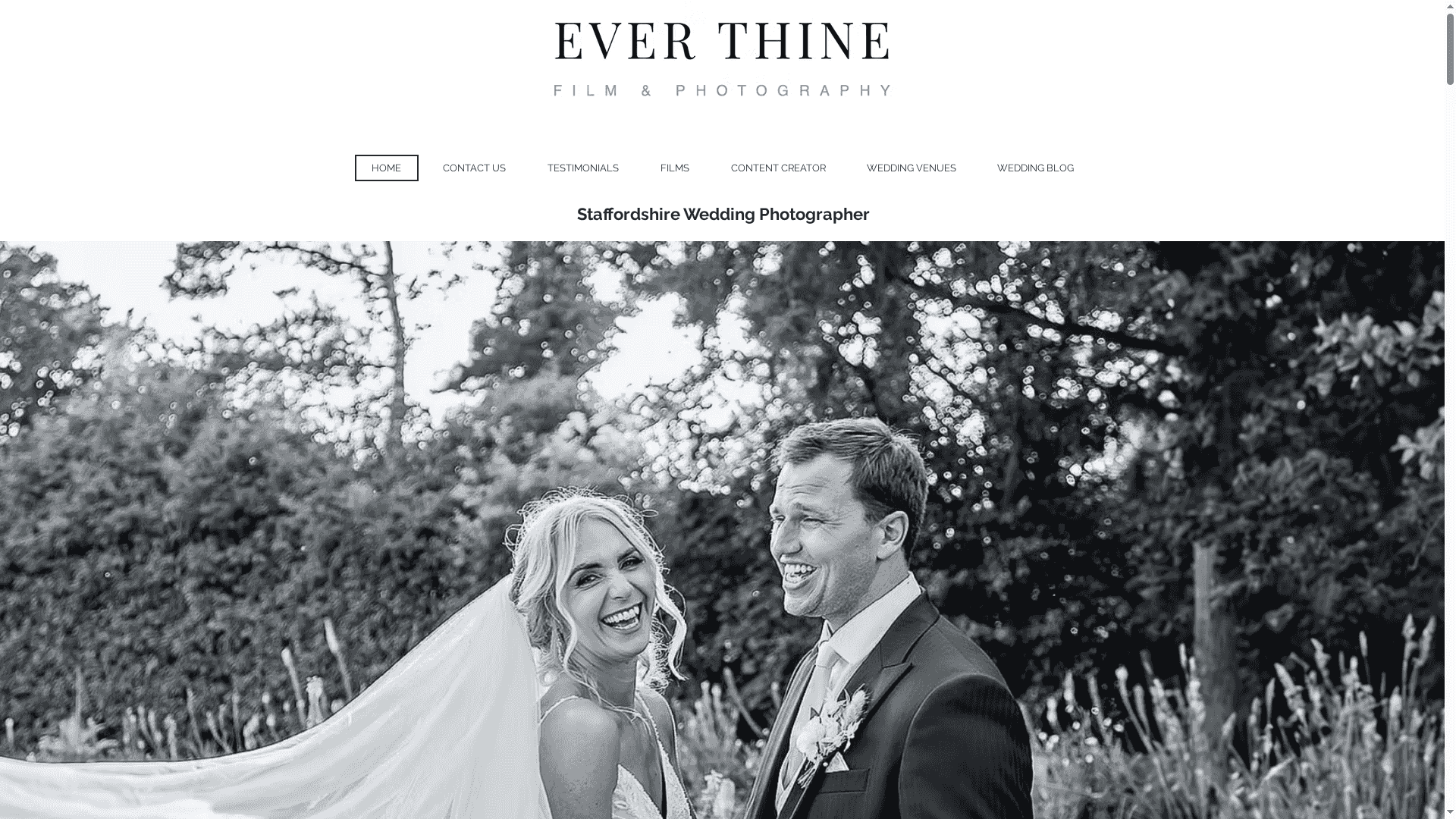
Every booking includes a pre-wedding planning consultation where the shot-list checklist above becomes the starting point for your brief. Weddingfilmphotography covers weddings across Staffordshire, Derbyshire, the West Midlands, and beyond. View wedding photography packages in Staffordshire or check availability for your date in Derbyshire. Bring the printable checklist from this article to your first conversation and your brief is already half-written.
Sources
FAQ
What are the key moments to capture at a wedding ceremony?
The non-negotiable moments are the processional, exchange of vows, ring exchange, first kiss, and recessional. Guest reactions, signing the register, and cultural rituals round out complete coverage.
What is the 30-minute rule for weddings?
Most ceremonies run between 20–30 minutes, which means photographers and videographers must plan positions and transitions in advance rather than improvising. Every phase, from processional to recessional, needs a pre-agreed shooter location to avoid missed frames.
Whose mother walks down the aisle first?
In a traditional Western ceremony, the groom’s mother is typically seated first, followed by the bride’s mother immediately before the processional begins. Couples should confirm the order with their officiant, as cultural traditions vary.
How do you capture moments in photography without missing them?
Brief your photographer on the officiant’s verbal cues (particularly the kiss announcement), agree shooter positions for each ceremony phase, and use a priority-tiered shot list so the team focuses on non-repeatable moments first.
Recommended
Comments