
7 Essential Natural Wedding Photo Tips for Real Moments


Worrying that your wedding photos might look staged or fail to capture the real feeling of your day can cause a lot of stress as you plan. You want wedding photographs that feel natural, honest, and full of authentic moments—not a series of awkward poses. The right approach ensures the joy, connection, and unique story of your celebration shines through every image.
You are about to discover practical ways to guarantee vibrant, genuine wedding pictures. From choosing settings with soft, natural lighting like Prested Hall in Essex to weaving personal touches that highlight your story, each insight offers guidance you can use straight away.
Get ready to learn how small changes and smart planning will make your wedding photographs as meaningful and memorable as the moments themselves.
Table of Contents
Quick Summary
Key Insight | Explanation |
1. Choose a photographer specialising in natural style | Opt for a photographer who captures authentic moments rather than staged shots to evoke true emotions in your images. |
2. Schedule time for candid photography | Build gaps into your timeline for spontaneous moments, allowing your photographer to capture genuine interactions instead of rigid poses. |
3. Focus on soft, natural lighting | Select venues with ample natural light, and schedule photography sessions during times that enhance the quality of your images. |
4. Create a relaxed atmosphere on your wedding day | Avoid rushing; a relaxed pace brings out natural expressions and genuine moments in your photography. |
5. Incorporate personal touches for authenticity | Integrate unique elements that represent your relationship to enhance storytelling in your wedding photographs. |
1. Choose a Photographer Who Specialises in Natural Style
Your photographer is the foundation of how your wedding day gets captured. Selecting someone who genuinely specialises in natural, documentary-style photography means the difference between images that feel staged and stiff versus photos that make you relive the emotion and spontaneity of your celebration.
Natural style photography isn’t just a technique—it’s a philosophy. Photographers who work this way position themselves to observe moments as they unfold rather than orchestrating them. They understand that the best wedding photographs happen when couples forget the camera is there. Your partner’s genuine laugh during the vows, your father’s tears during the father-daughter dance, the unguarded glances between you both—these moments cannot be recreated or posed convincingly.
When researching photographers, look specifically at their portfolio style. Scroll through their work and ask yourself whether the images feel real or artificial. Do the couple’s expressions look natural, or do they appear to be holding a smile for the camera? Are there plenty of candid shots captured throughout the day, or does the portfolio consist mainly of carefully posed formal portraits? A photographer specialising in natural style will have a portfolio brimming with authentic interactions, genuine reactions, and beautifully composed documentary shots that tell your story.
The difference between photographers matters significantly in Staffordshire and beyond. Your photographer’s experience with documentary-style work determines how they move through your day. They’ll position themselves thoughtfully to capture moments without directing you constantly. They understand when to step back and let emotions flow, when to be present without being intrusive, and how to use light and composition to enhance moments rather than force them.
During your initial consultation, ask potential photographers specific questions about their approach. How do they handle the getting-ready period? Do they blend into the background or actively direct shots? What’s their experience with capturing the ceremony naturally without being disruptive? Do they have a particular style of engaging with guests? A photographer who specialises in natural photography will have thoughtful answers that demonstrate their experience and philosophy. They understand natural wedding photography features and can articulate why their approach creates better photographs.
Request to see full-day galleries from previous weddings, not just highlight reels. Highlight reels show only the best shots, but a full day’s work reveals how your photographer captures the entire experience. You’ll see how they handle transitions between moments, how they capture varying light conditions, and whether they maintain consistency throughout the day. This gives you genuine insight into what you can expect.
Consider also whether the photographer has experience with your specific venue or wedding style. Some photographers excel at formal, structured celebrations whilst others thrive in relaxed, informal settings. If you’re planning an intimate garden party in Staffordshire or a grand marquee reception, a photographer accustomed to that environment will move through your day more naturally and know exactly where to position themselves for the best light and moments.
Trust your instincts during the consultation. A photographer who specialises in natural style will make you feel comfortable and at ease. You should feel like you’re having a genuine conversation rather than a sales pitch. They’ll listen to your vision, ask insightful questions about your day and relationship, and demonstrate genuine enthusiasm for capturing your story authentically.
Professional tip Review at least three photographers’ full portfolios and ask each one how they’d approach a specific moment during your day, such as the first dance or ceremony, to understand their practical approach to natural photography.
2. Plan for Candid Moments Over Formal Poses
The most memorable wedding photographs aren’t the ones where you’re standing perfectly still with forced smiles. They’re the unscripted moments that happen between the posed shots, the glances shared when you think no one’s looking, the laughter that erupts unexpectedly during the reception. Planning for candid moments means shifting your mindset about what makes a great wedding photograph.
Formal poses have their place in wedding photography. A traditional family portrait or a composed shot of the two of you in your wedding attire serves a purpose. However, if your entire wedding timeline revolves around getting everyone positioned and arranged, you’ll miss the genuine moments that actually tell your love story. Think of formal poses as the skeleton of your wedding album, but candid moments are the heart and soul that brings it to life.
When you plan your wedding day timeline, build in generous gaps between scheduled events specifically designed for candid photography to happen naturally. Your photographer needs time to observe, not constantly direct. If you’ve allocated only five minutes for the getting-ready period, your photographer will be frantically trying to capture everything and will likely miss the quiet moment where your mother sees you in your dress for the first time. If you build in thirty minutes with no specific poses planned, your photographer can observe naturally and capture genuine reactions as they occur.
The reception is where candid photography truly shines. Your guests are relaxed, the formality of the ceremony has passed, and emotions flow more freely. Conversations happen. Unexpected dance moves emerge. Your partner catches you watching them from across the room. These are the moments people actually want to see when they look back at their wedding photos years later. Instead of planning a rigid schedule of couple poses and group photos throughout the evening, allow time for your photographer to roam and capture what unfolds organically.
Consider also how you brief your wedding party and guests about candid photography. If they understand that the photographer will be capturing moments naturally rather than constantly posing everyone, they’ll relax and behave more authentically. People who know a camera is pointed at them tend to tense up, but people who forget the photographer is there tend to reveal their genuine selves. You can see candid wedding photo examples that demonstrate how these unplanned moments create far more compelling and emotional images than stiff formal portraits.
One practical approach involves scheduling your formal portraits early in the day when light and energy are optimal, then leaving the remainder of the day unstructured for candid coverage. This gives you the traditional images you want whilst freeing your photographer to capture everything else naturally. Your photographer knows what to look for and will position themselves to catch meaningful interactions without directing them.
Another consideration is the venue itself. Some spaces naturally facilitate candid moments better than others. A relaxed garden reception with tables scattered across a lawn, for instance, provides numerous opportunities for candid photography. A tightly packed indoor venue with limited sightlines makes candid coverage more challenging. When choosing your venue or planning your layout, think about how the space will allow your photographer to move freely and observe moments as they happen.
During your planning conversations with your photographer, discuss what candid moments matter most to you. Do you want plenty of guest interactions? Candid couple shots? Details of your day? Emotional moments with family? Your photographer can anticipate and position themselves for these moments if they know what you value. This collaboration between you and your photographer ensures they capture the candid moments that actually matter to your story.
Professional tip Schedule at least two uninterrupted hours during your reception with no formal poses or group photos planned, allowing your photographer to capture the most relaxed and genuine moments of your celebration.
3. Select Locations With Soft, Natural Lighting
Light is everything in photography. The most beautiful location can look flat and uninviting under harsh lighting, whilst a modest space transforms into something magical when bathed in soft, natural light. Choosing your wedding venue with lighting in mind fundamentally changes the quality of your photographs.
Soft, natural light creates flattering images because it diffuses across your face and features without creating harsh shadows. When light comes directly from a bright source like midday sun, it creates unflattering shadows under eyes and cheekbones, making skin look less attractive. Soft light, by contrast, wraps around your features gently and evenly. This is why photographers love overcast days and golden hour. These lighting conditions are forgiving, flattering, and make capturing genuine expressions far easier.
Venues with abundant windows and glass features provide consistent soft light throughout the day. Floor-to-ceiling glass panels, large windows, and covered glass structures act as natural light diffusers. Prested Hall in Essex, for example, benefits from soft, natural lighting throughout the day, with the Orangery’s extensive glazing creating bright, even light for ceremonies and portraits, whilst morning light offers calm preparation photos and golden hour delivers those romantic, magical tones. These architectural features aren’t luxuries—they’re investment pieces for photography quality.
Outdoor venues require different strategic thinking about lighting. If your ceremony or photographs happen during midday hours, you’re working against the sun’s harshness. Trees, pavilions, and covered areas become invaluable because they filter harsh sunlight into diffused, soft light underneath. A marquee with open sides provides similar benefits. By contrast, choosing an outdoor venue and scheduling ceremony and photos for golden hour (the hour before sunset) transforms the entire visual quality of your day. The light takes on warm, honeyed tones that are inherently flattering and romantic.
Timing your key photography around natural light patterns makes a measurable difference. If your venue allows flexibility, schedule your main couple portraits for late afternoon or late morning rather than midday. Schedule getting-ready photos for early morning when light is soft and comes through windows at gentle angles. Plan your ceremony for late afternoon if the venue permits it. These timing choices aren’t inconvenient—they’re strategic decisions that multiply your photograph quality.
When evaluating venues, visit them at different times of day if possible. See how light moves through the space. Notice where harsh shadows fall at midday. Identify areas where soft, diffused light creates beautiful conditions. Ask your photographer for their lighting assessment of the space. They’ll know which areas work best at which times and can advise on whether the venue’s lighting naturally complements the photography style you want.
Indoor venues with poor natural lighting present challenges that require different approaches. If your chosen venue lacks abundant windows or has artificial lighting that casts awkward colour tones, communicate this clearly with your photographer. They may need to bring additional lighting equipment or adjust their positioning and techniques. Some venues simply photograph better than others due to their architectural design and lighting conditions. This isn’t a criticism of the venue, but understanding it helps your photographer prepare and deliver better images.
Consider also how your venue’s lighting affects your guest experience. Soft, natural light creates a pleasant atmosphere for everyone. Harsh midday sun makes guests uncomfortable and squint. Golden hour light creates a warm, romantic ambiance that enhances the entire celebration. The lighting that looks good in photographs also feels good to experience in person.
When you research wedding photo locations, ask specific questions about natural light availability. Does the venue offer multiple spaces with different lighting conditions? Can you move the ceremony or reception to optimise light? Are there windows or glass features? What time of day does light quality peak? These questions help you make informed decisions that directly improve your photograph quality.
Professional tip Visit your chosen venue during the same time of year and time of day as your planned wedding to observe how natural light actually behaves in your space, then work with your photographer to plan the schedule around optimal lighting conditions.
4. Focus on Genuine Interactions Between Guests
Your wedding album should tell the story of your celebration through the eyes of the people who matter most. Genuine interactions between guests reveal the heart of your day far better than any posed family portrait ever could. When your photographer prioritises capturing these real moments, you end up with photographs that feel alive and emotionally true.
Guest interactions are where authentic joy emerges. When your closest friend makes you both laugh during the reception, when your grandmother dances with your father, when your partner’s best mate gives a speech that moves everyone to tears, these are the moments that actually matter. Yet these moments are easy to miss if your photographer is spending all their time positioning people for formal shots. By shifting the focus to genuine interactions, you capture the emotional reality of your celebration rather than a staged version of it.
Think about what you actually want to remember from your wedding day. Chances are, your most cherished memories involve connection and laughter with the people you love. You want to remember how your mum looked at you, how your best friends celebrated together, how your partner’s family embraced yours. These interactions don’t happen on command. They happen naturally when people relax and forget about the camera. Your photographer needs time and freedom to observe and document these moments as they unfold.
Guest interactions provide natural storytelling within your photographs. Instead of a lineup of people smiling at the camera, you have images that show relationships and connections. A photograph of your cousin comforting your grandmother during an emotional moment tells a deeper story than a formal portrait. An image of your friends laughing together during dinner captures the genuine joy of your celebration. These are the photographs you’ll treasure because they feel real.
To encourage genuine guest interactions, create an environment where people feel comfortable being themselves. This starts with your reception layout and atmosphere. Round tables with good sightlines encourage conversation. A relaxed dress code and casual atmosphere invite people to loosen up. Games, dancing, and informal activities encourage genuine moments rather than stiff formality. When your guests feel comfortable, they interact naturally, and your photographer captures authentic moments without needing to direct anything.
Be thoughtful about how you schedule your celebration. A long, drawn-out formal dinner with minimal activities creates less opportunity for genuine interaction. A celebration with multiple spaces, activities, and social opportunities encourages guests to mingle, dance, and connect. Your photographer can then move through the space capturing all the genuine moments that emerge. The more relaxed and informal your celebration feels, the more authentic the interactions become.
Communicate with your photographer about the importance of capturing guest interactions. Some photographers naturally excel at this, whilst others default to formal poses. Ask specifically how they approach guest photography. Do they capture guests naturally during the reception? Do they photograph toasts and emotional moments? Do they document guest dancing and celebration? Their approach to guest interactions should align with what you value in your wedding album.
Consider also the pacing of your day. If every moment is scheduled and choreographed, there’s no room for genuine interaction to happen. If you build in unstructured time, especially during the reception, people relax and connect more naturally. Your photographer observes and documents these moments, creating a record of your celebration that feels authentic and true to who you are and who your people are.
The beauty of focusing on genuine guest interactions is that these photographs become more valuable over time. Formal poses date and feel stiff when you look back years later. But a photograph of your best friends genuinely laughing together, or your relatives connecting in an unguarded moment, remains timeless and emotionally resonant. These are the images that make you smile when you look back at your wedding album.
Professional tip Spend time during your reception circulating and enjoying your guests rather than being perpetually positioned for photographs, which naturally creates more opportunities for your photographer to capture genuine interactions and moments of real celebration.
5. Keep the Day Relaxed and Unrushed
A rushed wedding day shows in your photographs. When you’re constantly checking the time, moving from one scheduled event to the next without breathing room, that stress and tension visibly translate into your images. Your expressions become tighter, your shoulders rise towards your ears, and the natural ease that makes for beautiful photographs simply disappears. Keeping your day relaxed and unrushed is one of the most powerful things you can do to improve your photograph quality.
When people feel rushed, they become self-conscious. They overthink their expressions and movements. They tense up. The opposite of a natural, candid photograph is someone who’s anxiously aware of time ticking away and obligations mounting. By building your wedding timeline with generous buffers and avoiding the trap of trying to fit too much into a single day, you create space for genuine moments to emerge. Your guests relax. You relax. Your photographer captures your actual self rather than a stressed version of you.
Start with a realistic timeline that accounts for actual time requirements, not optimistic estimates. Getting ready takes longer than you think, especially with hair and makeup for multiple people. Photographs take time. Ceremonies have unexpected delays. Meals happen at the pace people actually eat, not the speed you’ve scheduled. By padding your timeline generously, you eliminate the stress of running behind schedule. This buffer time is an investment in photograph quality because it directly affects how relaxed and genuine you appear.
Consider also what actually needs to happen on your wedding day. Some couples try to fit in engagement shoots, multiple outfit changes, elaborate portrait sessions, guest activities, and formal events all into a single day. This creates an exhausting schedule that leaves no room for spontaneity or genuine moments. Instead, prioritise what truly matters to you. Perhaps you want a relaxed ceremony, unrushed getting-ready photos, and a celebration with your guests rather than multiple formal sessions. A lighter schedule allows you to actually experience your day rather than simply moving through a checklist.
The reception is where relaxation becomes especially important. If you’ve scheduled back-to-back toasts, dances, activities, and formal events with no breathing room, your guests feel rushed and the atmosphere becomes frantic. Instead, space things out. Allow time for people to eat, chat, and enjoy one another. Have dancing happen naturally rather than being announced at specific times. Let the evening unfold at its own pace. When your celebration feels relaxed and unhurried, guests interact more naturally, you feel more present, and your photographer captures the genuine joy and connection that makes for memorable images.
Talk to your photographer about your desire for a relaxed day. A photographer who understands this philosophy will work with you to create a timeline that allows time for authentic moments rather than rushing from pose to pose. They’ll know that you’d rather have fifteen minutes of genuine interaction documented than five minutes of stiff, posed portraits. They’ll position themselves to capture moments as they unfold rather than directing a rigid schedule of shots.
One practical approach involves scheduling a minimal number of required photographs at the beginning of your day, then letting the remainder flow naturally. For example, perhaps you want family photographs immediately after the ceremony whilst everyone is already gathered, then couple portraits during golden hour. Beyond that, your photographer documents the celebration as it happens naturally. This approach eliminates the stress of constant scheduling whilst ensuring you capture the images you specifically want.
Also consider the physical demands of your day. If you’ve planned an elaborate getting-ready experience, a lengthy ceremony, multiple photograph sessions, a lengthy meal, and dancing all on minimal breaks, you’ll be exhausted by evening. Exhaustion shows in photographs. You appear less vibrant, less engaged, less like yourself. By building rest and recovery time into your day, you maintain energy and presence throughout. This directly improves how you appear in photographs taken in the evening.
Your guests’ relaxation matters equally. When guests feel rushed and pressured to move through activities, they become tense and less genuinely interactive. When they feel relaxed and have time to enjoy the celebration, they engage more naturally. This creates more opportunities for your photographer to capture genuine guest moments. A relaxed atmosphere benefits everyone in your wedding album.
Professional tip Build at least thirty minutes of unscheduled buffer time into your timeline between major events, and communicate to your vendor team that you prioritise a relaxed pace over fitting every possible activity into your day.
6. Trust Your Photographer and Be Yourselves
The moment you start performing for the camera rather than simply being yourself, your photographs lose their authenticity. Your photographer needs your trust to do their job well, and you need to release the urge to control every moment. When you relax into being yourselves, the natural, genuine images emerge that will make you treasure your wedding album for decades.
Trust is fundamental to natural wedding photography. If you’re constantly second-guessing your photographer’s positioning, questioning their choices, or worrying about whether they’re capturing the right moments, that anxiety radiates outward. Your photographer feels the pressure and becomes less confident in their creative decisions. You feel tense and self-conscious. The entire dynamic shifts from collaborative artistry to anxious micromanagement. By contrast, when you hire a photographer whose style and approach you genuinely believe in, and then you trust them to do what they do best, everyone relaxes and better images result.
Being yourselves means abandoning the wedding day persona you might feel obligated to adopt. You don’t need to be perfectly poised, endlessly smiling, or performing an exaggerated version of happiness. Your actual self is infinitely more photogenic and interesting than any performed version. The photographer you’ve chosen specialises in capturing real moments, which means they want to see you as you actually are. Your genuine laugh. Your natural expressions. The way you actually hold your partner’s hand. The subtle glances and touches that reflect your real relationship.
Many couples struggle with self-consciousness in front of the camera. This is completely normal, but it’s worth addressing directly. The more you can relax and forget the camera is there, the better your photographs become. One practical way to achieve this involves spending time with your photographer before the wedding day. An engagement shoot or pre-wedding photo session helps you become comfortable with your photographer’s presence and style. By the time your wedding day arrives, their presence feels natural rather than intrusive. You’ve already experienced how they work and seen the results, which builds confidence and trust.
During your wedding day itself, the best way to be yourself is to genuinely engage with your celebration and the people in it. Instead of thinking about the camera, focus on your partner, your family, your friends. Listen during toasts. Laugh when something is funny. Dance because you enjoy it, not because you’re aware of being photographed. Hug people you love. When you’re present and engaged in your actual day, your photographer captures you being authentically yourself, and those images reflect genuine emotion and connection.
It’s worth noting that different photographers have different styles and approaches. Photography styles for weddings range significantly, from documentary to more posed approaches. Your job is to choose a photographer whose style genuinely resonates with you, then trust their expertise. If you’ve chosen a documentary photographer who specialises in natural moments, trying to direct them into a more posed approach undermines their strengths. Trust their vision and their skill. They know how to capture authentic moments because that’s their speciality.
Communication before the wedding day helps establish this trust. During your planning conversations, share what matters most to you photographically. Discuss your vision, your concerns, your priorities. But then give your photographer creative freedom within that framework. They’ve been doing this for years. They understand light, composition, and timing. They know how to position themselves to capture moments you don’t even know will happen. Your trust in their expertise allows them to operate confidently and creatively.
One common mistake couples make is overthinking their expressions and movements during photographs. You might find yourself thinking “What should my face look like right now?” or “Am I standing correctly?” This self-consciousness immediately shows in your images. The antidote is to genuinely engage with your moment rather than monitoring yourself. If your photographer asks you to walk towards them or look at each other, do so naturally whilst thinking about your partner or your feelings rather than about your posture. Your authentic engagement will read much more powerfully in the photograph than any deliberate expression could.
Trust also means accepting that your photographer might see moments and compositions you don’t anticipate. They might ask you to sit in an unexpected location or turn a particular direction because they’ve spotted beautiful light or an interesting background. Instead of questioning these choices, trust that they’re making decisions based on photographic knowledge you might not have. Some of the best photographs often come from moments you didn’t plan or anticipate.
Finally, remember that your photographer is on your team. They want your wedding day to be beautiful and to capture your story authentically. They’re not your adversary or someone you need to manage. They’re a professional who specialises in their craft and genuinely cares about creating images you’ll love. When you approach the relationship from a place of trust and collaboration rather than control and anxiety, the entire experience improves and the results reflect that ease and authenticity.
Professional tip Schedule a pre-wedding engagement session or meet your photographer for a brief photo walk before the wedding day to build comfort with their presence and develop trust in their creative eye.
7. Incorporate Personal Touches for Authentic Storytelling
Your wedding photographs should tell your unique story, not a generic version that could belong to anyone. When you weave personal touches throughout your celebration, you create opportunities for your photographer to capture images that are genuinely yours. These details and meaningful elements transform your wedding album from a collection of pretty pictures into a narrative that reflects who you actually are as individuals and as a couple.
Personal touches make your wedding memorable and photogenic. Think about what makes your relationship unique. What passions do you share? What hobbies matter to you individually? What meaningful traditions or inside jokes define your bond? These elements deserve space in your wedding day and in your photographs. A couple who loves hiking might incorporate hiking boots or a mountain backdrop into their celebration. A couple who shares a love of books might display meaningful literature throughout their venue. Musicians might include their instruments in photographs. These details aren’t frivolous additions—they’re storytelling devices that make your photographs authentically yours.
Incorporating personal touches into wedding photography highlights your shared passions, interests, and individual stories. When your photographer documents these elements, they create heartfelt images that you and your guests will treasure for years. A photograph of you holding your grandmother’s wedding dress before you change into your own tells a story of family continuity. A candid shot of your partner laughing with their best friend captures a genuine relationship. Images of personal details like vintage family jewellery, handwritten vows, or meaningful flowers create layers of meaning in your album.
Start by identifying what elements genuinely matter to your story. These might be practical items you use daily, hobbies you’re passionate about, family heirlooms that hold significance, or traditions that shape your identity. Don’t force personal touches that feel inauthentic. Your photographer will capture these elements most effectively when they feel natural to your celebration rather than staged or artificial. If you genuinely incorporate them into your day because they matter to you, your photographer will find them and photograph them naturally.
Common personal touches in Staffordshire and elsewhere include family heirlooms displayed or worn during the celebration, meaningful locations that hold personal significance, handwritten details like place cards or vows, hobbies or passions displayed throughout the venue, and relationships with particular guests that your photographer can document. A couple who met whilst volunteering might include that cause in their celebration. A couple who shares a beloved pet might incorporate them into getting-ready photographs. Parents who are both musicians might play during the celebration. These authentic details create rich visual storytelling opportunities.
When you brief your photographer about personal touches, explain why these elements matter. “This is my grandmother’s wedding ring because she was married for sixty years and we wanted her presence in our day.” “We incorporated these wildflowers because we got engaged at this location during spring.” “We’re wearing these cufflinks because my father wore them in his own wedding.” When your photographer understands the significance of these details, they photograph them with appropriate reverence and care. The resulting images carry emotional weight because the photographer grasps their meaning.
Personalised approaches extend to how you photograph together as a couple as well. Instead of formal, stiff couple portraits, consider creative wedding photo ideas that reflect your personality and relationship dynamic. Perhaps you want photographs in a location that matters to you both, engaging in an activity you enjoy together, or in poses and interactions that feel natural to how you actually relate to each other. A couple who are physically affectionate in daily life should be comfortable with that affection in photographs. A couple who express love more quietly should have that respected in how they’re photographed.
Your venue itself becomes a personal touch when you choose a location with genuine significance. A couple getting married in Staffordshire might choose a venue that reflects the region’s beauty and their connection to it. A couple who met in a particular town might celebrate there. A couple who loves the countryside might choose a garden or rural location. These choices aren’t just about aesthetics—they’re about anchoring your celebration in places that matter to your story.
Don’t overlook the small details that make your celebration uniquely yours. Custom signage reflecting inside jokes. A playlist of songs that matter to you. Menu items that reflect your favourite foods. A guest book that’s genuinely interactive rather than just a traditional book. These elements create authentic moments that your photographer will capture naturally. A candid photograph of guests laughing at a funny sign is far more memorable than a posed group portrait.
Your guests also represent personal touches. The specific people gathered to celebrate your marriage, your relationships with them, and how they interact with you and each other tell your unique story. By allowing your photographer to document genuine moments with your loved ones, you capture the actual texture and feeling of your community rather than a staged version of it. A photograph of your best friends looking genuinely joyful matters infinitely more than a formal wedding party portrait.
Professional tip Create a brief document for your photographer listing the personal elements, meaningful details, and significant people you want captured, explaining why each matters to help your photographer understand and photograph your story authentically.
The table below summarises the essential strategies for effective, natural wedding photography as discussed in the article.
Aspect | Details | Advice |
Choosing a Photographer | Prioritise a photographer specialising in natural, documentary styles. | Review full portfolios and ask about their candid and non-intrusive methods. |
Scheduling Moments | Allocate sufficient time for candid shots during the event. | Incorporate breaks in the timeline to naturally capture emotions. |
Lighting | Choose venues with abundant natural light and consider daylight timing. | Consult with the photographer during site visits for optimal light use. |
Interactions | Encourage natural guest interactions instead of formal staging. | Foster a relaxed ambiance to enable free-flowing emotions. |
Personal Elements | Include unique details and traditions that resonate with couples' identity. | Ensure personal storytelling through meaningful decor and settings. |
Capture Your Wedding’s True Spirit with Expert Natural Photography
Planning a wedding that celebrates authentic moments can feel overwhelming. This article highlights key challenges couples face such as finding a photographer who specialises in natural style, prioritising candid interactions, and ensuring your day remains relaxed and genuine. You want more than just posed images. You want heartfelt laughter, genuine glances, and the emotional reality of your special day beautifully documented without intrusive direction.
At Wedding Film Photography, we understand these goals and bring years of experience in unobtrusive, documentary-style coverage that tells your unique story. Our award-winning team in Staffordshire specialises in capturing candid moments that feel effortless and true to you. With personalised planning and an expert eye for soft, natural light, we create emotional photographs and cinematic films that make you relive your wedding day for a lifetime.
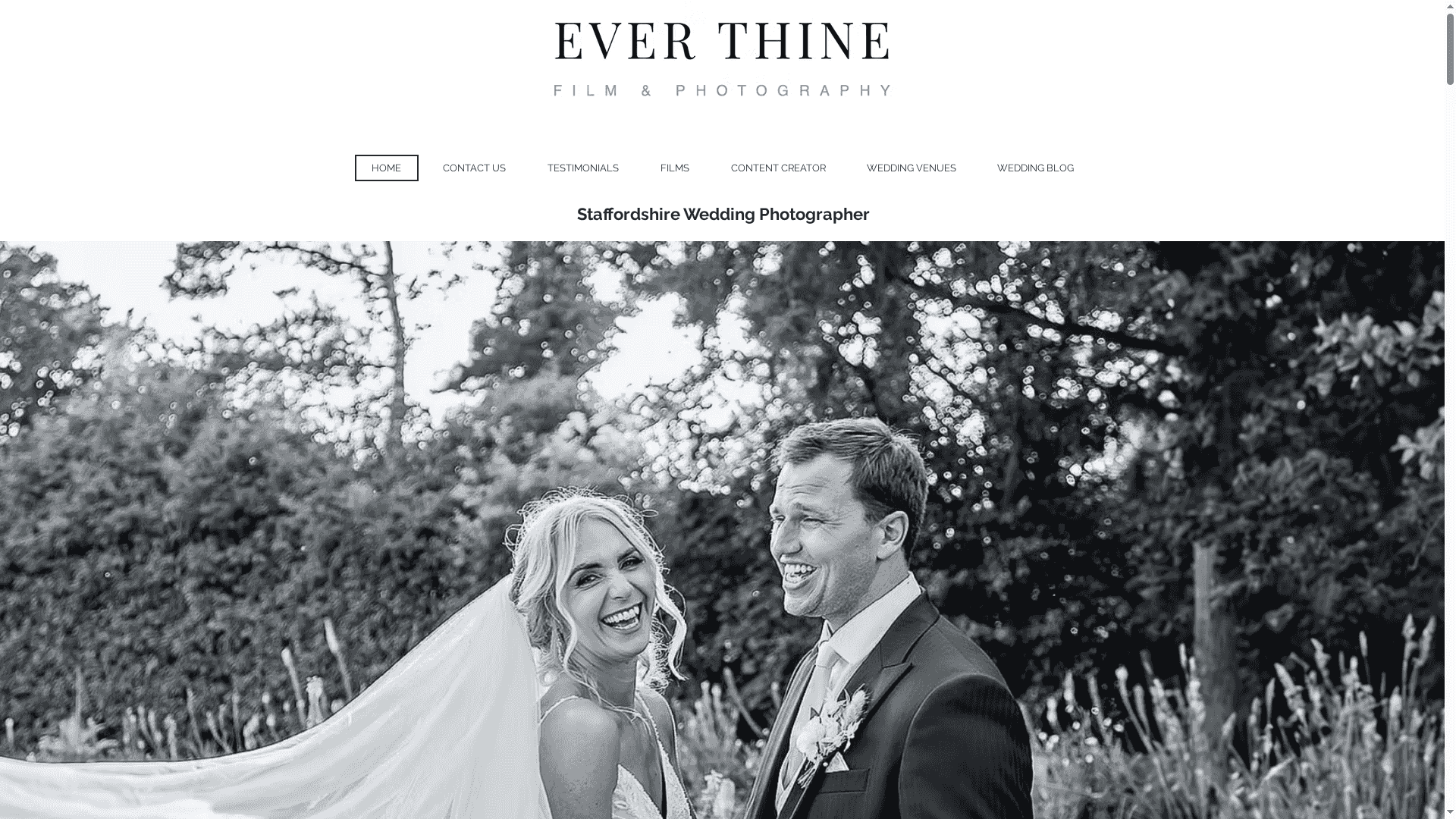
Ready to experience wedding photography that prioritises your authentic connection and relaxed celebration? Visit our website to explore our wedding photography services and discover how we tailor every detail to reflect the real you. Contact us today and let’s discuss how we will capture your love story with genuine emotion and timeless artistry.
Frequently Asked Questions
How can I choose a photographer who captures natural moments?
Selecting a photographer who specializes in natural style photography is essential for authentic wedding photos. Review their portfolio for candid shots and ask them about their approach to capturing genuine interactions during your celebration.
What should I do to encourage candid moments during my wedding?
To foster candid moments, plan your wedding day with scheduled gaps between events and allow time for your photographer to observe and capture natural interactions. Aim for at least 30 minutes of unstructured time during your reception for guests to relax and engage freely.
How can I improve the lighting for my wedding photos?
Select a venue with abundant soft, natural light for your wedding. Schedule key photography moments, such as couple portraits, during times of day when lighting is optimal, ideally late afternoon or early morning.
What personal touches should I incorporate into my wedding for better storytelling?
Incorporate personal touches that reflect your relationship, such as family heirlooms, meaningful locations, or shared hobbies. Create a list of these elements for your photographer, ensuring they understand their significance to capture authentic moments.
How can I create a relaxed atmosphere on my wedding day?
To keep your wedding day relaxed, construct a realistic timeline with ample time allocated for each activity. Aim to include at least 30 minutes of unscheduled buffer time between major events to help everyone feel more at ease.
Why is it important to trust my photographer on my wedding day?
Trusting your photographer allows them to capture natural moments without you feeling the pressure to perform. Focus on enjoying your celebration, as this will lead to more authentic photographs reflecting genuine emotion.
Recommended


Comments