
Wedding memory preservation: your complete 2026 guide

TL;DR:
Wedding memory preservation is often overlooked, but planning early ensures quality physical and digital archives. Using professional photography, heirloom albums, preserved keepsakes, and a solid digital backup strategy helps safeguard your wedding memories for generations. Revisit and curate your archive regularly to keep the memories alive and meaningful.
Your wedding day passes in a blur of emotion, laughter, and moments you will want to hold on to for the rest of your life. Wedding memory preservation is not something most couples plan with enough intention. You book a photographer, maybe a videographer, and assume the memories will take care of themselves. They rarely do. Between scattered guest photos, uncollected keepsakes, and albums that never get ordered, so much gets lost. This guide covers eight practical, expert-backed methods to build a preservation plan that actually works, from physical heirlooms to digital archives and everything in between.
Table of Contents
Key takeaways
Point | Details |
Start preservation planning early | Arrange album orders, floral preservation, and digital systems before the wedding, not after. |
Use the 3-2-1 backup rule | Store three copies of digital media across two formats with one copy off-site or in the cloud. |
Prioritise archival-quality materials | Acid-free storage, layflat albums, and controlled environments protect keepsakes for generations. |
Combine physical and digital methods | A mixed approach catches what any single method misses and creates a richer archive. |
Communicate clearly with your photographer | Agree on delivery timelines and workflow upfront to avoid delays and disappointment. |
1. Professional photography and videography: the cornerstone of wedding memory preservation
No single investment does more for your memories than hiring a skilled photographer and videographer. The images and footage they produce become the backbone of every other preservation method you use. Your photo album, anniversary film, and digital archive all depend on the quality of what they capture.
Professional wedding photographers deliver final edited galleries within four to eight weeks, following a documented workflow of ingestion, culling, and colour grading. Knowing this helps you plan. You can time your album order, your social sharing, and your printing decisions around a realistic schedule rather than chasing your photographer weeks later.
Standardised, documented workflows deliver galleries 40% faster than improvised approaches, which is worth asking about when you speak to potential photographers. A reliable workflow protects you as much as it protects them.
Key questions to ask your photographer before booking:
What is your typical turnaround time for edited galleries?
How do you back up images on the wedding day and afterwards?
Do you offer album design as part of your package?
Can we revisit the footage each anniversary as a private viewing?
Pro Tip: Request a short highlight film in addition to a full-length wedding video. The five-minute version is the one you will actually watch on anniversaries, and it is far easier to share with family.
2. Premium layflat albums: heirloom-quality wedding photo albums
A digital gallery stored on a hard drive does not feel like a keepsake. A physical wedding album does. Premium layflat albums are considered the gold standard for preserving printed images, starting at 20 pages and available up to 90 pages, with FSC-certified paper and plant-based linen covers designed for longevity.
The difference between a layflat album and a standard photo book is significant. Layflat binding allows the pages to open completely flat so images spread across a full double page without a crease cutting through the middle of your faces. It is a detail that sounds minor until you see it.
Storing your album correctly matters too. Storing albums upright or flat in a dry, dark environment away from sunlight and humidity significantly prolongs their lifespan and prevents warping. Avoid overpacking shelves where other books press against the spine.
The true role of wedding albums goes beyond decoration. They become the edited narrative of your day, curated to tell the story in the order it happened, with intention behind every page.
Pro Tip: Order a smaller parent album at the same time as your main album. It makes a thoughtful gift for grandparents or parents, and most photographers offer discounted duplicate orders when placed together.
3. Wedding memory boxes and heirloom textiles
A wedding memory box is one of the most underrated bride and groom keepsakes available. Unlike an album, a memory box holds the physical fragments of the day: your order of service, a pressed flower from the bouquet, the menu card, handwritten notes from guests, the ribbon from the cake table.

Collecting these items requires someone to gather them during the day itself. Designate a trusted bridesmaid or family member to be your memory keeper. Give them a list and a small bag. You will not think about any of this while the day is happening.
For textiles, the same preservation principles apply. Acid-free storage and controlled environments protect gowns, veils, bouquet wraps, and custom linens from yellowing and weakening over time. Wedding dress preservation using museum-quality archival methods can keep a gown in display condition for decades. This matters particularly if you hope to pass it on.
Item | Recommended storage | Why it matters |
Wedding dress | Acid-free box, cool and dark | Prevents yellowing and fabric breakdown |
Printed album | Flat or upright, away from light | Stops warping and colour fading |
Paper keepsakes | Acid-free sleeves or folder | Prevents brittleness over time |
Floral items | Resin casting or sealed frame | Locks moisture out and preserves shape |
4. Floral memory preservation: making your bouquet last
Your bouquet costs a significant amount and is carried for a matter of hours. Floral preservation gives it a second life. Resin casting and pressed flower framing allow couples to preserve the natural shapes and vibrant colours of wedding flowers long-term, and professional services typically include colour enhancement to restore any fading that occurs during the preservation process.
The two most popular methods each have trade-offs worth knowing:
Resin casting encases individual blooms or a full bouquet arrangement in clear resin, creating a solid, three-dimensional object. The result looks contemporary, handles well, and suits modern interiors. The process takes several weeks and works best when flowers are handed over within 24 to 48 hours of the wedding.
Pressed flower framing flattens blooms between weighted boards before mounting them in a frame. The result is flatter and more botanical in style. It suits cottagecore or vintage aesthetics and can include stems, leaves, and ribbon details.
Both methods benefit from professional colour enhancement, as flowers lose saturation during drying. Flower preservation professionals note that resin and pressed methods retain shape and vibrancy with proper treatment.
If you want to keep your bouquet flowers fresh until the appointment, a cool, dry environment away from direct light is key. For advice on storing delicate floral work, sugar flower storage tips offer useful parallel guidance on maintaining colour and form in preserved botanical pieces.
5. A digital archive: consolidating all your wedding media
Here is a problem almost every couple faces. You have professional photos, a wedding video, 400 images from guest phones, voice notes from your maid of honour, and a handwritten guest book. None of it lives in the same place. 68% of couples struggle with scattered digital images after their wedding.
Building a single digital archive solves this. The process does not need to be complicated:
Create a shared folder or private gallery link for guests before the wedding so they can upload their own photos directly.
Use a QR code at tables or on signage to make uploading instant and effortless.
Digitise the physical guest book by scanning or photographing each page within a week of the wedding.
Request your full resolution gallery from your photographer and store it in a named, dated folder.
Implement the 3-2-1 backup strategy: three copies, across two different media types, with one stored off-site or in the cloud.
The 3-2-1 rule is well established in digital preservation and protects against hardware failure, accidental deletion, and data corruption. It sounds technical but the practical version is simple: your photos live on your computer, on an external hard drive, and in cloud storage such as Google Drive or iCloud.
Pro Tip: Set a calendar reminder to check your backups once a year. Hard drives fail silently and cloud subscriptions lapse. An annual check takes ten minutes and prevents permanent loss.
6. Creative personalised keepsakes and unique wedding gifts
Beyond the expected, there are preservation ideas that double as meaningful gifts for the couple or for family members. These often work well as anniversary gift ideas for those who want to give something more personal than a voucher.
A few ideas that couples consistently find meaningful:
Framed wedding invitations with a small mounted print from the day, creating a ready-made display piece for the home.
Custom jewellery made from pressed or resin-set flowers taken directly from the wedding bouquet, wearable and unique to that day.
Illustrated portraits commissioned from an artist working from the wedding photographs, a piece of wedding day memorabilia with a handmade quality no print can replicate.
Scent keepsakes, where a perfumer captures a signature fragrance based on the wedding flowers or venue.
Digital highlight reels compiled from guest footage alongside the professional video, edited into a personalised film.
The best wedding memory books sometimes combine several of these: printed photographs alongside pressed flowers, a scanned copy of handwritten vows, and the original invitation. Printing your wedding photos gives any of these projects a physical foundation that outlasts digital formats.
Planning these items in the weeks after the wedding is far easier than attempting them months later when the emotional momentum has faded and some materials are no longer available.
7. Archiving wedding footage: the overlooked preservation method
Most couples watch their wedding film once or twice in the first year and then it sits forgotten on a USB drive in a drawer. Archiving footage properly means it will still be playable in 20 years, which is genuinely not guaranteed with current formats.
File formats change. Software becomes obsolete. USB drives fail. The same logic that applies to photo backups applies to video, with one additional consideration: file sizes are far larger, so cloud storage costs more and transfer takes longer.
Archiving wedding footage requires storing the full-resolution master file, not just the compressed version shared via social media. A compressed version looks fine on a phone in 2026. It will look noticeably worse on whatever screens exist in 2046.
Ask your videographer to provide the highest resolution export they offer, ideally in a format such as MP4 or MOV, and keep that original file in at least two separate locations. Treat it the same way you treat your photo gallery.
My honest take on wedding memory preservation
I have worked alongside hundreds of couples over the years, and the pattern I see most often is this: preservation is treated as an afterthought. The day gets planned in exhaustive detail and then everything after it is left to chance. People assume the photos will arrive, the album will materialise, the keepsakes will sort themselves out.
What I have found is that treating preservation as a system rather than a series of one-off tasks makes an enormous difference. That means building your archive before the wedding, not scrambling to collect everything six months later. It means briefing your photographer on timelines and delivery expectations at the planning stage, not chasing them in week ten.
The couples who end up with the richest archives are not the ones who spent the most. They are the ones who thought about what they wanted to keep and made a plan. A combined approach, physical albums alongside a properly backed-up digital archive, catches what any single method misses.
And one thing I wish more people would do: revisit everything on the first anniversary. Watch the film. Look through the album. It keeps the memory alive and reminds you why you bothered preserving it in the first place.
— Ever
How Weddingfilmphotography can help you preserve your wedding day
[
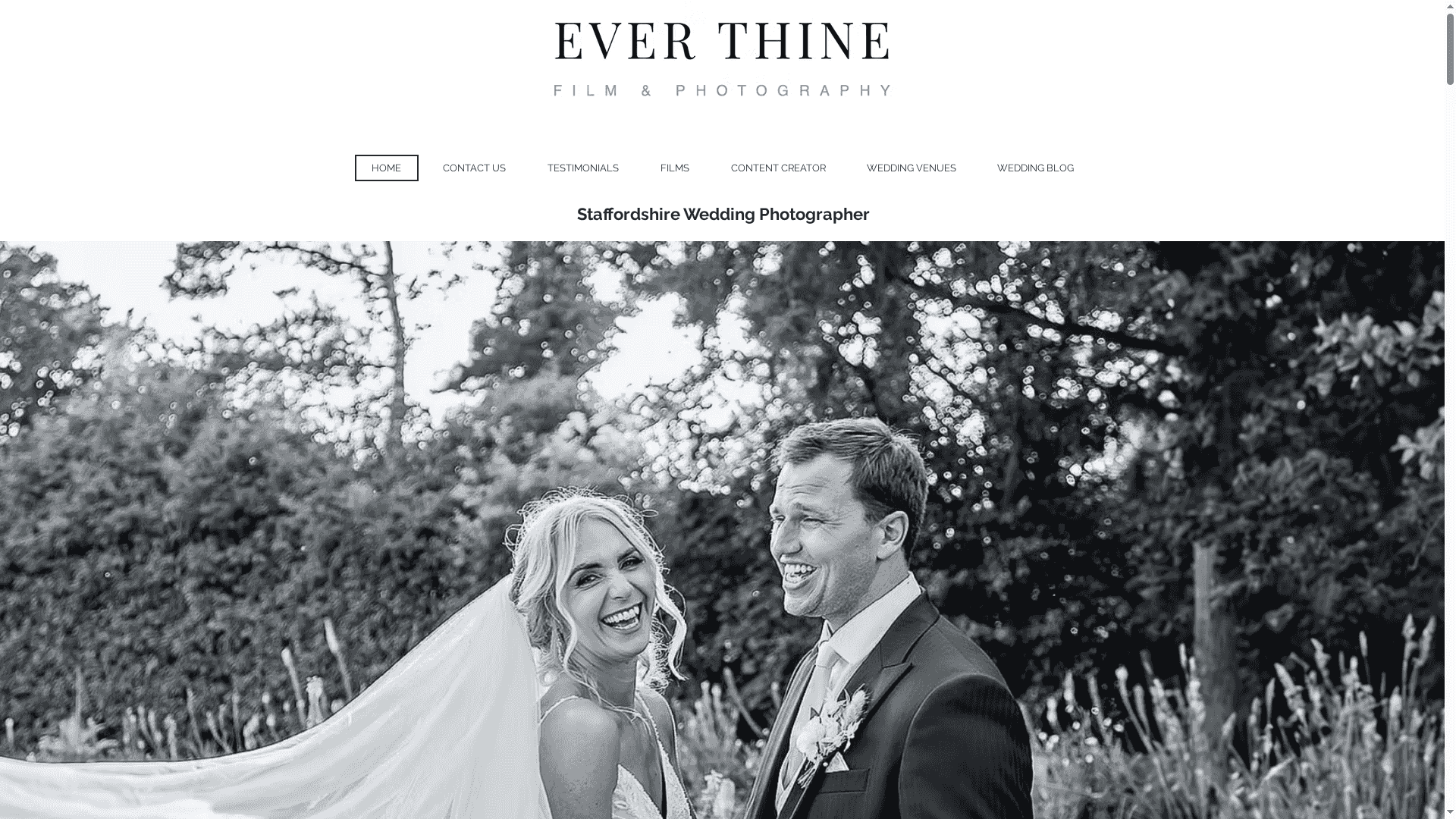
At Weddingfilmphotography, wedding memory preservation is built into everything we do, from the way we shoot to the way we deliver. Based in Staffordshire and covering Derbyshire, Worcestershire, and beyond, we create documentary-style photography and cinematic films that hold up as genuine heirlooms.
As a wedding photographer in Derbyshire and as a multi-award-winning team in Staffordshire, we offer professionally designed layflat albums, clear delivery timelines, and guidance on backing up and archiving your gallery. If you want to discuss a package that includes both photography and a finished album, get in touch and we will walk you through every option.
FAQ
How long does wedding memory preservation take to organise?
The physical and digital elements of preservation can be arranged within a few months of the wedding, but floral preservation must be started within 24 to 48 hours of the day itself. Planning your album, backup systems, and keepsake items before the wedding makes the whole process significantly easier.
What is the 3-2-1 backup rule for wedding photos?
The 3-2-1 rule means keeping three copies of your photos across two different storage types, with one copy stored off-site or in the cloud. It protects against hardware failure and accidental deletion, which are the two most common causes of lost wedding images.
Are layflat wedding albums worth the cost?
Premium layflat albums use archival materials and FSC-certified paper designed to last for decades, making them the most durable printed wedding keepsake available. For couples who want a physical record of the day, the quality difference over standard photo books is significant.
How do I preserve my wedding bouquet?
Handing your bouquet to a professional floral preservation service within 24 to 48 hours of the wedding gives you the best result. Resin casting suits modern interiors and creates a three-dimensional keepsake, while pressed flower framing works well for a more traditional or botanical aesthetic.
What counts as wedding day memorabilia worth keeping?
Beyond photographs, meaningful memorabilia includes your order of service, menu cards, handwritten guest notes, dried or preserved flowers, ribbon from the bouquet, and a digitised copy of the guest book. Collecting these items on the day itself, rather than trying to retrieve them afterwards, is far more reliable.
Recommended

Comments