
Your guide to authentic documentary wedding photography
Not every wedding photo needs to be posed to be perfect. In fact, some of the most treasured images couples keep on their walls are the ones nobody planned: a grandmother wiping away a tear, two friends laughing uncontrollably during the speeches, the groom catching his first glimpse of his bride. Documentary-style wedding photography is built around capturing exactly these moments, and if you’ve ever felt anxious about spending your wedding day being directed from one pose to the next, this guide will show you a completely different way to think about your wedding memories.

What is documentary-style wedding photography?
Documentary-style wedding photography is an approach rooted in observation rather than direction. The photographer’s job is not to create moments but to be ready when they happen naturally. Think of it less like a portrait session and more like a skilled journalist covering the most important day of your life, except with warmth, sensitivity, and a deep understanding of what makes your story worth telling.
At its core, this style prioritises authentic moments in documentary wedding photography over choreographed scenes. The photographer moves quietly through your day, watching, waiting, and anticipating. They are not calling out instructions or rearranging guests. They are simply present, alert, and ready.
The key principles that define this approach include:
Anticipation: Reading the room and predicting when a meaningful moment is about to unfold, whether that’s a tearful exchange of vows or a spontaneous burst of laughter.
Blending in: Dressing appropriately, moving calmly, and using body language that signals to guests they are not being watched or directed.
Natural light: Relying on window light, golden hour, and ambient venue lighting rather than intrusive flash setups that disrupt the atmosphere.
Minimal editing: Preserving the true colours and textures of your day rather than applying heavy filters that make images look artificial.
The equipment matters too. Key mechanics include anticipation of moments, blending unobtrusively, using available light, fast prime lenses (35mm, 50mm, 85mm), silent shooting modes, and minimal post-processing to preserve authenticity. These lenses allow photographers to work at a distance without losing image quality, keeping them out of your eyeline while still capturing intimate detail.
“The best documentary wedding photographs don’t look like photographs. They look like memories.”
This is the standard we hold ourselves to. Every image should feel like something you actually lived, not something you performed for a camera.
Pro Tip: When you’re reviewing a documentary photographer’s portfolio, look for images where the subjects aren’t looking at the camera. If every photo features direct eye contact and a smile, the work is likely more traditional than documentary in style.
The result is not just a collection of pretty images. It is a genuine visual narrative of capturing authentic wedding stories, from the nervous energy of the morning preparations to the joy of the first dance and everything in between. Your wedding album becomes something you can return to years later and genuinely feel the emotion of the day, not just see a record of it.
Documentary vs traditional wedding photography approaches
With an understanding of what documentary-style delivers, it’s helpful to see how it stands apart from classic approaches.
Traditional wedding photography has served couples well for decades. It involves the photographer taking charge: organising family groups, directing the couple into flattering positions, and ensuring every key person is captured clearly. The results are polished, predictable, and often beautiful. But they tell a slightly different story, one that is curated rather than lived.
Editorial wedding style essentials take this even further, drawing inspiration from fashion photography and magazine shoots. Lighting is carefully controlled, poses are considered, and post-processing is bold and stylised. The images look stunning but can feel removed from the reality of your actual day.
Documentary vs editorial/traditional photography contrasts clearly: documentary is hands-off and spontaneous, while traditional and editorial styles are directed and posed, with minimal retouching in documentary versus stylised editing in traditional approaches. This distinction shapes the entire experience for couples on the day itself.
Here is a clear comparison to help you decide:
Feature | Documentary | Traditional | Editorial |
Posing | None or minimal | Frequent | Extensive |
Direction | Hands-off | Moderate | High |
Editing style | Natural, minimal | Polished | Heavily stylised |
Couple experience | Relaxed, natural | Structured | Fashion-shoot feel |
Emotional authenticity | Very high | Moderate | Lower |
Best for | Storytelling | Family records | Magazine aesthetics |
The experience for you as a couple is markedly different depending on which route you choose. With documentary photography, you are free to simply be yourselves. You don’t need to remember how to stand or which way to face. You just live your day, and the photographer captures what unfolds.
Many couples who choose choosing documentary style for weddings report that they barely noticed the photographer was there for much of the day. That’s not an accident. It’s the result of a very deliberate and skilled approach to being present without being intrusive.
It’s worth noting that documentary and traditional approaches are not always mutually exclusive. A skilled photographer can deliver a primarily documentary experience while still organising the essential family portraits you’ll want for the mantelpiece. The key is knowing what percentage of your day you want to be directed versus observed.
How documentary wedding photographers capture real moments
This difference raises the question: how exactly do documentary professionals deliver these natural, story-driven results?
The process is more methodical than it might appear from the outside. Here is how a typical documentary wedding day unfolds from a photographer’s perspective:
Pre-wedding venue visit: Many documentary photographers visit your venue in advance to understand the light, the layout, and the flow of the day. This preparation means they know exactly where to position themselves during key moments.
Morning preparations: The day begins with bridal preparations, one of the richest sources of genuine emotion. Understanding why film bridal preparations matters comes down to this: the morning is unscripted, full of nerves, laughter, and tenderness that simply cannot be recreated later.
Ceremony coverage: During the ceremony, the photographer works from multiple positions, moving quietly and using silent shooting modes to avoid disrupting the atmosphere. They anticipate the vows, the ring exchange, and the reactions of guests.
Reception and speeches: The speeches are a goldmine for documentary photographers. Guests are absorbed in listening, reactions are genuine, and the emotional range is extraordinary.
Evening celebrations: As the day relaxes into the evening, inhibitions drop and the most joyful, spontaneous moments often occur on the dance floor or around the edges of the room.
Pro Tip: Give your documentary photographer a short list of three or four key people whose reactions you particularly want captured during the ceremony. They can position themselves accordingly without disrupting the flow.
The technical side supports all of this. Fast prime lenses and silent shooting modes allow photographers to work at a distance and in low light without drawing attention. A 35mm lens is ideal for environmental context, capturing a subject within their surroundings. An 85mm lens allows intimate close-ups from across the room without the subject being aware.
Understanding the wedding photography timeline is also crucial. A documentary photographer needs adequate time at each stage of the day to let moments develop naturally. Rushing from one location to another is the enemy of authentic storytelling.
The reason why hire a wedding photographer with documentary experience specifically comes down to instinct. It takes years of practice to read a room, predict a moment, and be in the right place at the right time without being asked. This is a skill that cannot be faked or rushed.
Choosing your Staffordshire documentary wedding photographer
Understanding the photographer’s role should shape how you choose the right specialist for your wedding.
Staffordshire is home to a remarkable variety of wedding venues, from the grandeur of Shugborough Estate to the rustic charm of barn conversions across the Staffordshire Moorlands. A photographer who knows these venues, understands the light at different times of year, and has relationships with local suppliers brings a significant advantage to your day.
When reviewing potential photographers, look for these qualities:
A portfolio that shows genuine emotion: Tears, laughter, surprise, and tenderness. If every image shows smiling faces looking at the camera, the style is likely more traditional.
Consistency across different venues and lighting conditions: A skilled documentary photographer produces strong work whether they’re shooting in a bright country house or a dimly lit city venue.
A calm, unobtrusive personality: You will spend your entire wedding day with this person. They should feel like a quiet, reassuring presence, not someone who demands your attention.
Clear communication about the day’s flow: They should ask about your timeline, your priorities, and the moments that matter most to you personally.
Here is a quick comparison of service types to help you evaluate your options:
Service type | What’s included | Best suited for |
Photography only | Full day stills coverage | Couples who prefer albums |
Videography only | Cinematic film of the day | Couples who love moving image |
Combined photo and video | Both stills and film | Couples wanting full coverage |
Engagement shoot add-on | Pre-wedding session | Building comfort with the camera |
Understanding documentary wedding video advice is equally important if you’re considering film coverage. Documentary videography follows the same principles as photography: anticipation, natural light, and minimal direction to preserve the authenticity of every moment. A cinematic wedding film that captures the real sound of your vows, the genuine laughter during speeches, and the atmosphere of your first dance is something you will return to again and again.
When meeting potential photographers, ask these questions directly:
What percentage of your coverage is candid versus posed?
How do you handle low light situations during evening receptions?
Can we see a full wedding gallery rather than just portfolio highlights?
Do you use silent shooting modes during the ceremony?
Understanding photojournalistic wedding style explained can also help you articulate what you’re looking for, as photojournalism and documentary share many of the same values and techniques.
Why authentic storytelling makes wedding memories last
Here is something we believe firmly, having spent years covering weddings across Staffordshire and beyond: posed portraits are lovely, but they are not what couples cry over ten years later.
What makes people emotional when they revisit their wedding images is the value of documentary style in its truest sense: the unplanned, unguarded moments that nobody could have choreographed. A father straightening his daughter’s veil with shaking hands. Two small children falling asleep under a table during the speeches. The look exchanged between a couple in the quiet moment just after the ceremony ends.
These are the images that carry real weight. Conventional portraits show you how you looked. Documentary images show you how you felt.
We’ve seen couples spend considerable time and money on elaborate styled shoots and heavily edited images, only to find that the photographs they actually display in their homes are the candid ones taken when nobody was paying attention. That tells you everything you need to know about where genuine value lies in wedding photography.
Our advice is simple: prioritise real connection over perfect composition. Choose a photographer whose instinct is to observe rather than direct. Your wedding day will be messy, emotional, surprising, and completely unique to you. The photography should reflect that truth, not smooth it over.
Find your Staffordshire documentary wedding photographer and videographer
If you’re ready for a photographer who truly understands authentic storytelling, here’s where to begin.
[
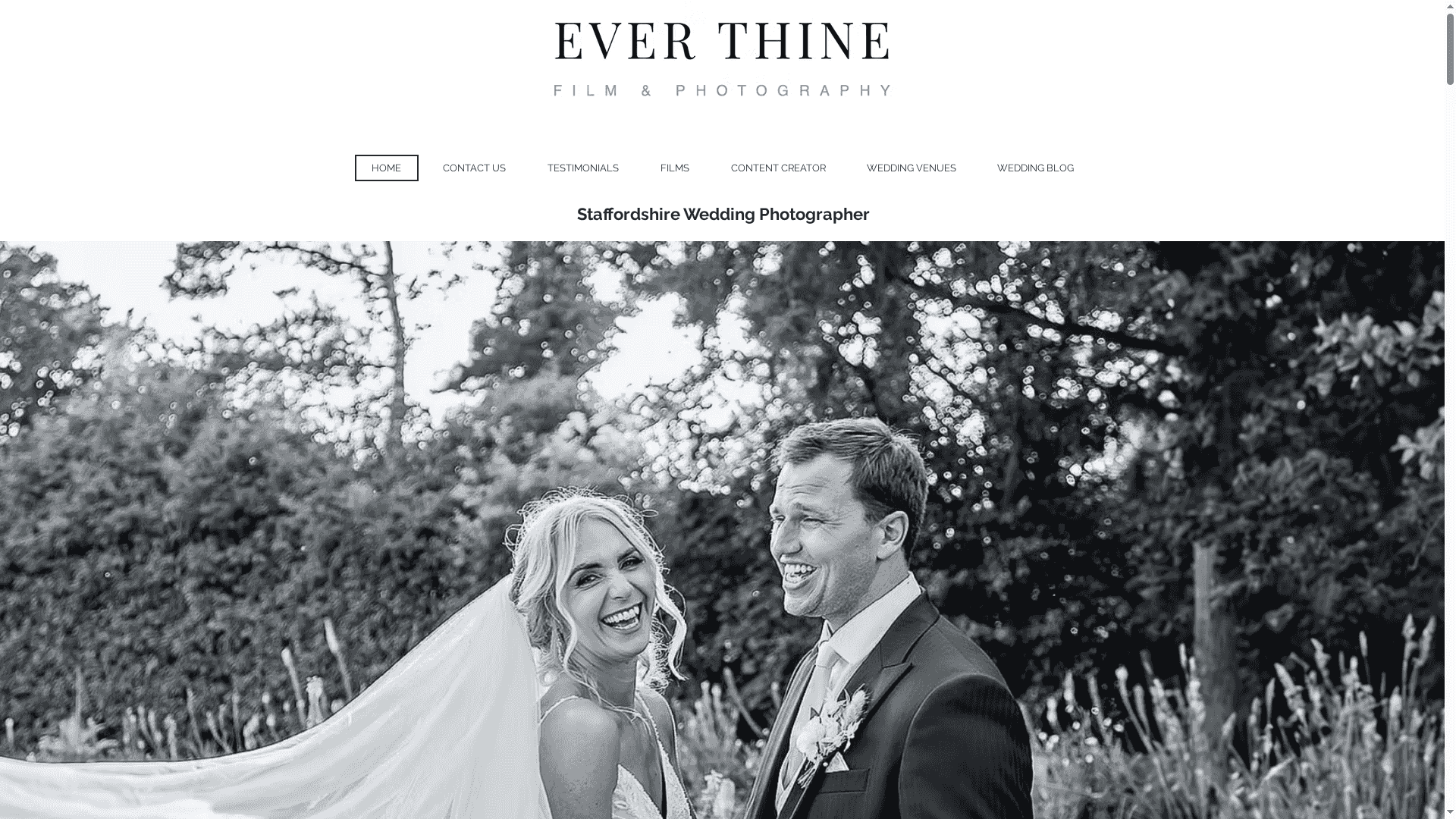
At Wedding Film Photography, we specialise in documentary-style coverage that lets your day unfold exactly as it should, with no interruptions and no unnecessary posing. As your dedicated Staffordshire wedding photographer and videographer team, we bring years of experience across Staffordshire’s most beautiful venues, combined with a genuinely unobtrusive approach that puts you at ease from the first moment. Browse our portfolio, read our couples’ stories, and get in touch to arrange a relaxed discovery call. We’d love to hear about your day.
Frequently asked questions
What makes documentary wedding photography unique?
It captures real, unscripted moments without posing or directing, using fast prime lenses, natural light, and silent shooting to preserve authenticity and genuine emotion throughout your day.
How is documentary-style different from traditional wedding photography?
Documentary is spontaneous and hands-off, while traditional styles involve posing, direction, and more stylised post-processing, resulting in a very different experience for couples on the day itself.
Can we still have group or family photos with documentary photography?
Yes, absolutely. Most documentary photographers will include essential group and family portraits on request, while keeping the majority of the day’s coverage candid and unscripted.
Does documentary wedding videography follow the same principles?
Yes, documentary videography uses the same approach as photography, focusing on naturally unfolding moments, minimal direction, and authentic sound to create films that genuinely reflect your day.


Comments