
Best poses for couples: 20 easy ideas to look natural
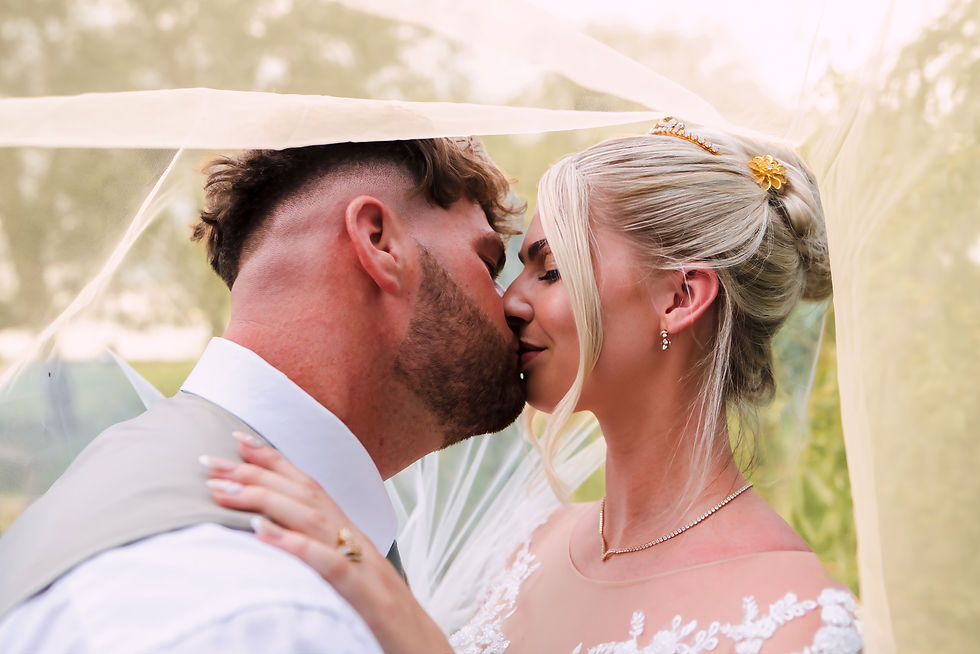
The best poses for couples are the ones that feel like something you’d actually do together, not something you’d hold for thirty seconds while trying not to blink. Here are the top picks to have in your back pocket before any shoot:
Forehead rest — one partner rests their forehead on the other’s
Walk and talk — stroll hand-in-hand, mid-conversation
Holding from behind — one partner wraps arms around the other from behind
The dip — a classic lean-back with eye contact or a kiss
Lift — one partner lifts the other, full laugh encouraged
Piggyback — playful, great for movement and genuine smiles
Slow spin — one partner spins the other by the hand
Nose to nose — faces close, eyes closed or almost closed
Over-the-shoulder glance — walking away, one partner looks back
Ring close-up — hands layered, ring in focus, shallow depth of field
Sitting together — legs touching, leaning in, relaxed and grounded
The whisper — one partner whispers into the other’s ear
These twelve labels cover the full range from romantic to playful to detail shots. Keep this list on your phone on the day.
Key takeaways
The most natural couple photos come from connection-first direction, consistent feet placement, and giving hands a purposeful job before every frame.
Point | Details |
Start with base poses | Use the V-stance, belly-to-hip, rear embrace, and walking pose to build a full session efficiently. |
Weight back, always | Shifting weight to the back foot softens the knees and removes the boxy look from every pose. |
Give hands a job | Purposeful hand tasks (trace a thumb, adjust a cuff) eliminate awkward hanging hands immediately. |
Use prompts, not smiles | Real expressions come from whispers, squeezes, and memory prompts, not from asking couples to smile. |
Weddingfilmphotography | Offers coached engagement shoots and full-day documentary wedding coverage across Staffordshire, the West Midlands, and the UK. |
Table of Contents
What are the best poses for couples to build a whole session on?
Four base poses will carry you through almost any couples session. Master these and you can generate thirty or forty distinct frames without repositioning from scratch each time.
The V-stance (angled face-to-face)
Stand the couple facing each other at a slight angle rather than square-on. Both partners turn their inside foot in toward each other, outside foot back. Shifting the majority of weight onto the back foot creates a natural bend in the front knee, which immediately breaks the boxy, stiff look of a straight-on stance. Hands can rest on each other’s waists, forearms, or chest. Eyes can meet, or one partner can look down.

Variations: close the gap until foreheads touch; have one partner tilt their chin up for a near-kiss; ask them to share a secret to get a genuine laugh.
Belly to hip bone
One partner stands slightly behind and to the side, their front hip pressed against the other’s hip bone. The front partner angles their body about 45 degrees to camera. This creates a natural lean and brings the couple close without looking staged. Hands work best when they have a job: interlaced fingers, one hand on a forearm, or a gentle hold at the waist.
Variations: front partner looks to camera while the other looks at them; both look away together; the rear partner whispers something.
Rear embrace (holding from behind)
One partner stands behind, arms wrapped around the other’s waist or crossed at the front. The person in front can tilt their head back onto the other’s shoulder, look down at the hands, or glance sideways to camera. This pose works beautifully from a slightly elevated angle or from behind, shooting into the scene.

Variations: both look out at a view or landmark; the front partner reaches back to touch the other’s face; slow sway side to side for movement frames.
Walking together
Side by side, hands held, mid-stride. Ask them to walk toward you, past you, or away from you. The over-the-shoulder glance back is one of the most versatile shots in any engagement session and requires almost no direction.

Variations: one partner leads, pulling the other; both look at each other mid-walk; slow the pace right down for a more intimate feel.
The single quickest technical improvement across all four poses is consistent feet placement. Get the feet right first — slight angle, weight back — then adjust hands and eyes to create variations without moving the couple’s whole body again.
Pro Tip: Give hands a specific job before you shoot. “Hold her hand and trace your thumb across her knuckles” produces a far more natural frame than “just hold hands.” Purposeful hands stop the fidgeting that reads as nerves on camera.
A gallery of 20 couple poses grouped by mood
Grouping poses by mood helps couples pick images that match their personality and helps photographers move through a session with intention rather than guessing.
Romantic poses
Forehead rest — stand close, both eyes closed, foreheads touching. Shoot at eye level for intimacy. Swap: works equally well seated on a bench or steps.
Near-kiss — lips almost touching, pause held. Shoot slightly below eye level looking up. Height tip: taller partner bends a knee or leans down to balance the eyelines.
Slow dance — one hand held out, other at waist, slight sway. Shoot from a low angle to elongate the frame.
Nose to nose — faces a centimetre apart, eyes open or closed. Shoot tight, 50mm or longer.
Hand on heart — one partner places the other’s hand on their chest. Shoot from the side for depth.
Playful poses
Piggyback — shoot from behind or slightly to the side at eye level. Ask for a countdown before the lift for genuine laughter.
Slow spin — one partner spins the other by the hand. Shoot at 1/500s or faster to freeze the movement, or slow it down for a blur effect.
Forehead flick — one partner gently flicks the other’s forehead; the reaction is always real. Shoot at eye level, burst mode.
Chase — one partner chases the other across an open space. Shoot from a distance with a longer lens.
Lift and laugh — full lift, both laughing. Low angle, wide enough to show the surroundings.
Formal and editorial poses
Back to back — both standing tall, backs touching, looking in opposite directions. Shoot straight on at eye level.
Seated, facing away — both seated on steps or a low wall, looking out. Shoot from behind and slightly elevated.
One standing, one seated — the standing partner places a hand on the seated partner’s shoulder. Shoot at a slight angle.
Walking apart — both walking in opposite directions, looking back at each other. Shoot from a distance for a cinematic feel.
Candid and documentary poses
Walk and talk — natural conversation mid-walk. Shoot from the side or slightly behind. No direction needed beyond “tell them something funny.”
Over-the-shoulder glance — couple walking away, one looks back. Shoot from behind, slightly elevated.
Sitting and laughing — both seated, mid-laugh at something real. Shoot from a distance so they forget the camera.
Whisper — one partner whispers into the other’s ear. Shoot from the side, tight on faces.
Detail and hand shots
Ring close-up — hands layered, ring centred. Use shallow depth of field and ask the couple to interact with the ring rather than just display it — “trace the rim slowly” produces a far more natural result than a static hold.
Interlaced hands, walking — shoot from above or from the side at waist height. Works best mid-stride.
Pose family | Best for | Quick camera angle |
Romantic | Intimate, emotional mood | Eye level or slightly low |
Playful | Fun, relaxed couples | Eye level, burst mode |
Formal/editorial | Clean, structured look | Straight on or elevated |
Candid/documentary | Natural storytelling | Distance, longer lens |
Detail/hands | Rings, texture, connection | Macro or 50mm, low angle |
For height differences, have the taller partner bend a knee or lean in, or place the shorter partner on a step or low wall. The goal is balanced eyelines, not identical heights. These poses work for all couple types — same-sex couples, couples with age gaps, and couples from any cultural background. The staging cues are the same; only the framing changes.
How do you coach couples to look natural in photos?
The single most effective coaching cue is this: shift your weight to your back foot and focus on each other, not the lens. Everything else builds from there.
Gentle direction, micro-movements and purposeful tasks for hands are what turn a posed frame into a storytelling image. Here are twelve ready-to-use prompts:
“Whisper your favourite thing about them into their ear.”
“Tell them something they don’t know about you.”
“Give them the look you give them when no one’s watching.”
“Squeeze their hand three times, slowly.”
“Walk toward me like you’re late for something fun.”
“Pretend I’m not here for ten seconds.”
“Rest your forehead on theirs and take a breath.”
“Trace your thumb across their hand.”
“Tell them a rubbish joke — the worse the better.”
“Look at them like you haven’t seen them in a week.”
“Slow dance, no music, just sway.”
“Close your eyes, breathe, then open them and look at each other.”
The seven posing points
Every pose can be checked and adjusted across seven points, in order:
Feet/weight — slight angle, weight on the back foot, front knee soft
Hips — angled to camera, not square-on
Shoulders — dropped and relaxed, not raised toward the ears
Hands — given a job, not hanging loose
Face/eyes — directed toward each other or a specific point, never vaguely “out there”
Chin — slightly forward and down to avoid a double chin; think “chin to the sun”
Micro-movement — a breath, a sway, a squeeze — something small and alive
Work through these points quickly at the start of each new pose and the couple will look composed without feeling stiff.
Pro Tip: For a double chin, ask the couple to “push their forehead slightly forward and look toward the light.” It sounds odd but it works every time, and it’s far less awkward than saying “watch your chin.”
Start with classic, safe poses to build confidence, then introduce movement and playful direction once the couple relaxes. This sequencing produces a strong, varied set of images within a short session.
Your shoot-day checklist: outfits, props, timing and light
Preparation before the shoot is what makes posing feel effortless on the day. Work through this list in the week before.
Outfits: coordinate colours without matching exactly; avoid busy patterns that clash in close-up frames. Wear shoes you can actually walk in — walking poses are some of the most natural and you’ll use them constantly.
Props: keep them personal and simple (a bunch of flowers, a meaningful book, a blanket for seated shots). Props give hands a job and add context without distracting from the couple.
Timing: plan for a golden-hour window and identify a shaded backup location. Softer light reduces the need for strict posing because skin tones and expressions read more flatteringly.
Variation plan: build in close (tight on faces), mid (waist up), and wide (full body in environment) shots for every pose family. This gives you a complete set without repeating the same frame.
Ring and detail shots: schedule these near the end when the couple is relaxed. Have a clean cloth to hand for a quick polish before the close-up.
Phone backup: screenshot your pose list and save it offline. Signal is unreliable at many UK venues.
Fast outfit fix: bring a lint roller, safety pins, and a small mirror. Loose threads and collar creases show up in close frames.
For wedding portrait lighting techniques, position the couple so the light source (window, open sky, or low sun) falls at roughly 45 degrees to their faces. This creates gentle shadow and dimension rather than flat, washed-out light.
Checklist item | Quick action | Why it matters for posing |
Outfits | Coordinate tones, avoid clashing patterns | Close-up frames reveal texture and colour clashes |
Shoes | Wear walkable footwear | Walking poses are essential and require comfortable shoes |
Golden hour | Arrive 45 minutes before sunset | Soft light flatters skin and reduces need for strict posing |
Variation plan | Close, mid, wide for each pose family | Avoids repetitive frames and builds a complete set |
Ring/detail shot | Schedule near end; polish ring beforehand | Relaxed hands produce better detail shots |
Props | One or two personal, simple items | Give hands a job and add authentic context |
Fast fixes for the most common couple photo mistakes
Most posing problems have a one-line fix. Here are the ones that come up on almost every shoot.
Stiff, rigid posture — ask both partners to shake out their hands, roll their shoulders back and down, then re-enter the pose. Dropping the shoulders, softening the knees and turning slightly sideways delivers a noticeably more relaxed result within seconds.
Awkward hands — give hands a purposeful job: hold the bouquet, adjust a cuff, run a thumb through hair. Hands that hang loose at the sides always read as uncertain on camera.
Double chin — “push your forehead slightly forward toward me and lift your chin toward the light.” Works for both partners simultaneously.
Hunched shoulders — “imagine someone is pulling a string from the top of your head.” Instant posture correction without making anyone feel self-conscious.
Forced smiles — stop asking people to smile. Use a prompt instead: “tell them something true” or “squeeze their hand and wait.” The real expression follows.
Square-on stance — turn both partners 45 degrees to camera. Square-on is the single most common mistake and the easiest to fix.
Mismatched heights — step the shorter partner onto a kerb, a low wall, or a step. Alternatively, have the taller partner lean in or sit down. Balanced eyelines read as natural; a large height gap with no adjustment reads as awkward.
Pro Tip: Keep a short repeating cue for posture: “drop your shoulders, soft knees, weight back.” Say it at the start of every new pose and couples will hold it without thinking. Pair it with a natural wedding photography guide for deeper reference.
A UK wedding photographer’s honest take on posing
The couples who look most natural in their photos are almost never the ones who practised poses in the mirror. They’re the ones who stopped trying to look good and started paying attention to each other.
My usual workflow for an engagement or wedding portrait set starts with the belly-to-hip-bone close and the rear embrace — both feel natural quickly, and they give me a strong set of frames while the couple is still warming up. Once they stop thinking about where their hands are, I move into walking shots and playful prompts. By that point, the session runs itself.
The UK-specific tip I give every couple: shoot in October or March if you have any flexibility. The golden hour arrives at a civilised time (around 5–6 PM), the light is warm and directional, and the colours in parks, woodland, and canal-side locations across Staffordshire and the West Midlands are genuinely extraordinary. If you’re shooting in summer, find a north-facing wall or a shaded archway for your close-up frames — harsh midday sun creates unflattering shadows and makes couples squint, which no amount of posing fixes.
For urban shoots in Birmingham or Stoke, I use the texture of brick and industrial backdrops for formal and editorial poses, then move to green space for the candid walking shots. The contrast between the two settings gives a varied, story-like set without travelling far. You can read more about this approach in the relaxed wedding style guide on the site.
The biggest mistake I see couples make is treating posing as performance. The camera picks up tension immediately. When you focus on each other — a real whisper, a genuine squeeze — the lens takes care of itself.
Ready for photos that actually look like you?
Weddingfilmphotography offers something most couples don’t realise they need until they’re standing in front of a camera: a photographer who coaches you through every frame so you never have to think about what to do with your hands.
[
Based in Staffordshire and covering the West Midlands and beyond, the team shoots in a documentary style that prioritises real moments over rigid posing. Engagement shoots are built around the same base poses and coaching prompts in this guide, so by the time your wedding day arrives, you already know how to move together on camera. Whether you’re in Derbyshire, Staffordshire, or Worcestershire, the approach is the same: relaxed, coached, and built around your story. Check availability and get in touch to discuss your date.
Sources
FAQ
What are the top 10 poses for couples?
The ten most reliable couple poses are: forehead rest, walk and talk, holding from behind, the near-kiss, slow dance, piggyback, over-the-shoulder glance, nose to nose, ring close-up, and sitting together. These cover romantic, playful, and detail moods and work across most locations and body types.
How do you pose naturally as a couple?
Shift your weight to your back foot, drop your shoulders, and focus on each other rather than the camera. Using a prompt — whispering something real, squeezing hands slowly — produces a genuine expression far more reliably than trying to hold a smile.
What is the most romantic couple pose?
The forehead rest is widely considered the most romantic pose: both partners close, eyes shut or nearly so, foreheads touching. It requires no forced expression and photographs beautifully at eye level or slightly below.
What are the seven posing points?
The seven posing points are feet and weight placement, hip angle, shoulder position, hands, face and eye direction, chin position, and micro-movement. Working through these in order at the start of each new pose produces a composed, natural result quickly.
Recommended

Comments