
Why review photographer portfolios before you book
TL;DR:
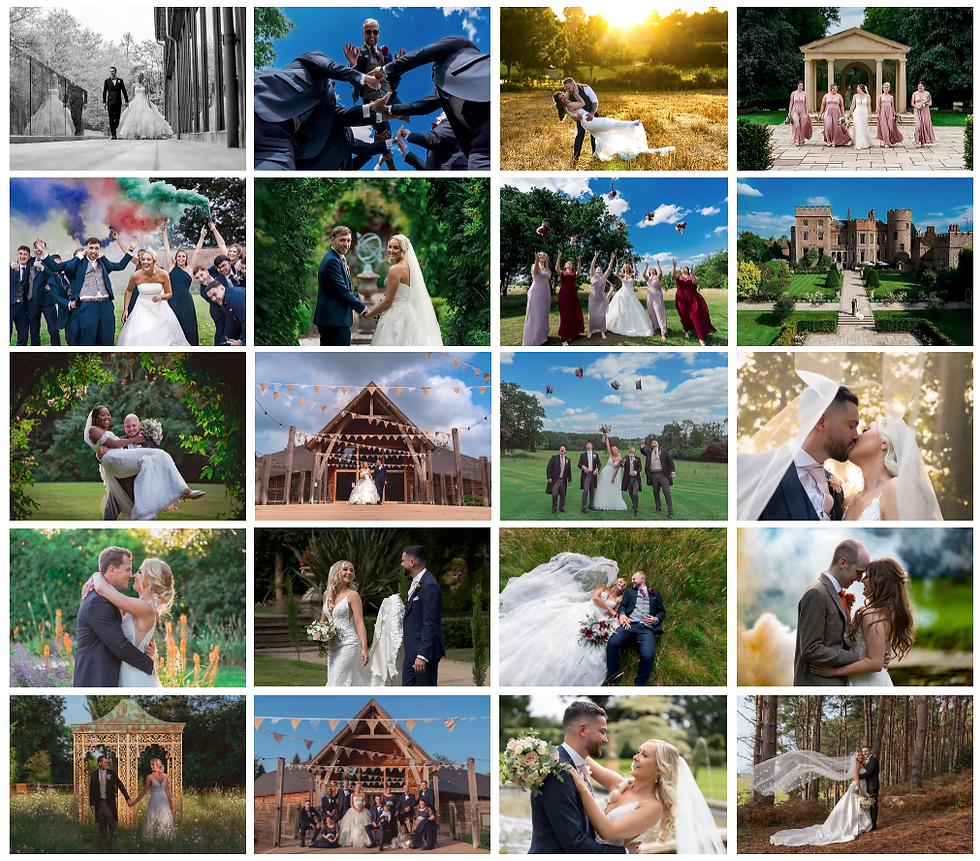
Reviewing full wedding galleries ensures you assess a photographer’s consistency, technical skills, and emotional authenticity across the entire day.
It helps prevent costly surprises by confirming that their style and capabilities match your specific venue and lighting conditions.
Prompt booking within 12 to 24 months, based on thorough portfolio evaluation, secures your ideal photographer and sets expectations for your wedding day.
Reviewing photographer portfolios is the single most reliable method for confirming that a wedding photographer can deliver consistent, authentic results across your entire day, not just in a handful of polished highlights. Photography consistently ranks among the top three wedding elements couples regret not researching carefully, which makes portfolio assessment far more than a browsing exercise. The industry term for this process is portfolio evaluation, and it covers everything from examining full event galleries to identifying technical competence under difficult lighting. This article gives you a precise framework for doing it well, so you book with confidence rather than hope.
Why review photographer portfolios as your first step
Portfolio evaluation is the foundation of how to choose a photographer because it provides direct, visual evidence of what you will actually receive. A photographer’s website may describe their approach in glowing terms, but the images tell a different story. Consistent whole-day style is the primary quality indicator professionals look for, not isolated perfect shots. When you review a portfolio with this lens, you move from gut feeling to informed judgement.

The significance of portfolio assessment becomes clear when you consider what is at stake financially. Wedding photography costs vary enormously, from boutique specialists at lower price points to major metropolitan photographers averaging £4,200 to £5,500 and beyond. Spending that sum without reviewing complete galleries is the equivalent of booking a hotel room based solely on the lobby photograph. The portfolio is your proof of purchase before you commit.
There is also a practical dimension that couples often overlook. A portfolio reveals not just aesthetic style but the photographer’s ability to handle real wedding conditions: low light in a church, a chaotic reception room, an outdoor ceremony in overcast British weather. These are the moments that define whether your memories are captured or lost.
What to look for in a portfolio beyond the highlights
Most photographers present a curated selection of their best work, which is entirely reasonable as a starting point. The problem arises when couples treat that curated selection as a complete picture. Instagram feeds are highlight reels, not representative of full wedding day work, and the gap between a photographer’s best twenty images and their typical output can be significant.
When you move beyond the highlights, focus on these specific areas:
Full gallery consistency. Ask to see complete galleries from two or three weddings, not just the curated portfolio page. Look for whether the quality holds from the morning preparations through to the last dance, not only during the golden-hour portraits.
Technical handling of light. Check images taken indoors, in candlelit venues, and during overcast outdoor ceremonies. Blurry, grainy, or flat images in these conditions signal a photographer who struggles outside ideal settings.
Emotional authenticity. A good portfolio balances posed and candid moments, conveying narrative flow throughout the day. If every image looks staged, the photographer may not excel at documentary-style coverage.
Editing consistency. Look for a coherent colour palette and tonal approach across the gallery. Heavy filtering, inconsistent skin tones, or over-processed backgrounds suggest the editing is masking technical weaknesses.
People versus details. Detail shots of flowers and table settings are beautiful, but a portfolio dominated by them at the expense of genuine human moments is a warning sign about the photographer’s confidence with people.
Pro Tip: Ask specifically for a full gallery from a wedding held at a venue similar to yours in terms of lighting and layout. This is the most direct test of whether the photographer can handle your specific conditions.
Understanding photographer style and approach through their portfolio also tells you whether their personality is likely to suit yours. A photographer whose work is bold, dramatic, and heavily edited will not suddenly produce soft, natural imagery on your wedding day. What you see is genuinely what you get.
Red flags to spot when evaluating photography work
Knowing what to avoid is as useful as knowing what to seek. Several specific warning signs appear consistently in portfolios from photographers who are either inexperienced or not the right fit for a full wedding day commission.
Refusal to share full galleries. Photographers who refuse to show complete galleries are signalling that their consistent output does not match their highlights. This is the single clearest red flag in the entire booking process.
Over-reliance on one venue or lighting condition. If every portfolio image appears to come from the same golden-hour outdoor setting, the photographer has not demonstrated adaptability. Technical skills are confirmed by reviewing work across diverse venues, seasons, and lighting conditions.
No recent work. A portfolio containing only images from three or more years ago raises questions about current activity, equipment, and whether the photographer is still actively shooting weddings.
Excessive post-processing. Skin that looks plastic, skies that appear artificially dramatic, and colours that bear no resemblance to natural light all suggest heavy editing used to compensate for technical limitations.
Absence of candid moments. A portfolio without genuine emotional reactions, laughter, tears, or spontaneous interactions suggests the photographer is not comfortable working in a documentary style.
Watermarks obscuring key areas. Occasional watermarking is standard practice, but images where the watermark consistently covers faces or critical compositional elements can conceal sharpness or focus problems.
Pro Tip: When you spot a portfolio you like, search the photographer’s name alongside the venue name on social media. Tagged client photos from real guests give you an unfiltered view of the actual output from that event.
The benefits of portfolio reviews extend to protecting your investment. A thorough assessment before booking is far less costly than discovering on your wedding day that the photographer’s real-world output does not match the curated selection you were shown.
How portfolio insights inform your booking decisions
The practical value of portfolio evaluation goes well beyond confirming you like the style. It directly shapes the questions you ask, the contracts you negotiate, and the timeline in which you act.
Portfolio observation | Practical action to take |
Strong full-gallery consistency | Proceed to discuss packages and deliverables with confidence |
Limited venue variety | Ask specifically about experience at your venue type before booking |
High image count across galleries | Confirm expected delivery numbers in writing; expect 400 to 800 images for a single photographer |
Heavy editing style | Discuss whether lighter, natural edits are available or whether this is their fixed approach |
Excellent candid coverage | Confirm how much of the day is documentary versus directed |
Once your portfolio review confirms a strong match, timing becomes critical. Experts recommend booking 12 to 24 months in advance due to high demand for proven professionals, particularly during peak UK wedding season from May through September. The portfolio review process is not just about finding the right photographer. It is about moving quickly once you have found them.
Portfolio review also informs what you should request in writing. If the full galleries you reviewed showed a consistent editing style, ask for that to be specified in the contract. If you noticed the photographer works with a second shooter at larger weddings, confirm whether that is included in your package. Portfolio quality correlates with overall professionalism, so a photographer whose work is meticulous is likely to be equally thorough in their contracts and communication.
How to compare multiple portfolios without getting overwhelmed
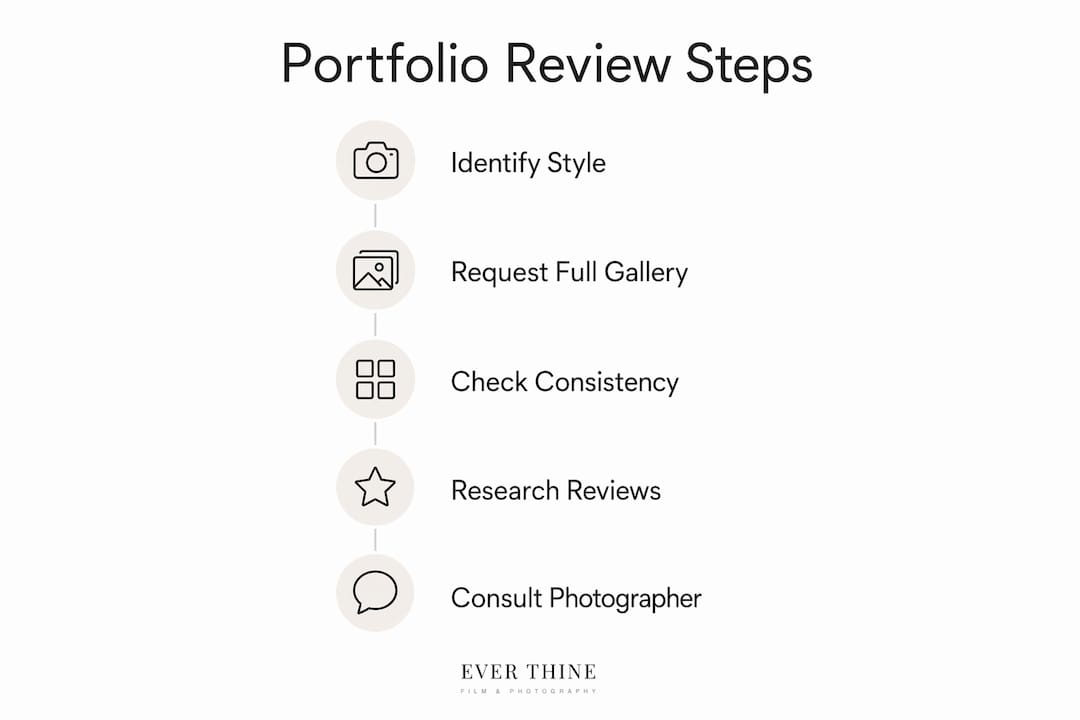
Reviewing five or six photographer portfolios in depth is genuinely time-consuming, and many couples either rush the process or abandon it after the first two. A structured approach makes it manageable.
Start with trusted wedding directories and platforms such as Hitched, Rock My Wedding, and local county-specific directories to create a shortlist of photographers whose pricing and location match your requirements. This filters the field before you invest time in deep portfolio review. Social media tagged photos and client references provide fuller context than portfolio highlights alone, so use both when assessing your shortlist.
When comparing portfolios side by side, use a consistent set of criteria rather than relying on overall impression:
Does the full gallery maintain quality from start to finish?
Are there images from venues or lighting conditions similar to yours?
Does the editing style match the aesthetic you want for your own wedding?
Are candid and emotional moments as strong as the posed portraits?
Does the photographer’s personality come through in the work in a way that feels right for you?
A pre-wedding consultation is the natural next step once your portfolio review has narrowed the field to one or two candidates. It allows you to ask specific questions based on what you observed, discuss your venue and timeline, and confirm whether the personal connection is there. Comfort with your photographer’s vibe is as important as technical skill for a smooth wedding day experience, and no portfolio can fully substitute for a direct conversation.
Key takeaways
Reviewing photographer portfolios in full, not just curated highlights, is the most reliable way to confirm consistent quality, style alignment, and genuine capability across an entire wedding day.
Point | Details |
Full galleries over highlights | Always request complete event galleries to assess real consistency, not just the best twenty images. |
Technical adaptability matters | Confirm the photographer has strong work across varied lighting, venues, and seasons before booking. |
Red flags are specific | Refusal to share full galleries, absent recent work, and excessive editing are concrete warning signs. |
Act quickly after confirming fit | Book 12 to 24 months in advance once portfolio review confirms the right match. |
Portfolio review shapes contracts | Use gallery observations to specify editing style, image counts, and second-shooter arrangements in writing. |
What I have learned from watching couples choose their photographers
The most common mistake I see is couples falling in love with a photographer’s Instagram grid and booking without ever asking to see a full gallery. The grid is a marketing tool. It is designed to show the ten most striking images from the past year, and it does that job brilliantly. What it does not show is the 847 images delivered from a wet November wedding at a venue with no natural light.
The couples who are most satisfied with their wedding photography are almost always the ones who did the unglamorous work of reviewing complete galleries, asking uncomfortable questions, and comparing multiple photographers against consistent criteria rather than vibes alone. They also tend to book earlier, because the portfolio review process gives them the confidence to commit rather than continuing to browse indefinitely.
There is one thing I would add that most guides do not mention. The emotional tone of a portfolio tells you something about the photographer’s relationship with their subjects. Work that feels warm, relaxed, and genuinely joyful usually comes from a photographer who puts people at ease. Work that feels stiff or performative, even when technically accomplished, often reflects a photographer who is more comfortable directing than connecting. That distinction matters enormously on a wedding day, when the best moments happen in the spaces between the posed shots.
If you are choosing a wedding photographer and feel uncertain about where to start, begin with the full gallery request. Everything else follows from there.
— Ever
See what a transparent portfolio looks like in practice
Weddingfilmphotography offers full gallery access, client testimonials, and detailed package information for couples across the Midlands and beyond. If you want to see what consistent, documentary-style wedding photography looks like across an entire day, not just the highlights, their work is worth reviewing directly.
[
The team at Weddingfilmphotography covers weddings in Staffordshire, Derbyshire, and Worcestershire, with availability for destination weddings beyond the UK. Given that proven photographers book 12 to 24 months ahead, early contact is worth prioritising once your portfolio review confirms the right fit.
FAQ
Why is reviewing a full gallery more important than a portfolio page?
A portfolio page contains a photographer’s best work, selected specifically for marketing purposes. A full gallery reveals whether that quality holds across an entire wedding day, including difficult lighting, quieter moments, and less photogenic settings.
How many images should a wedding photographer deliver?
Couples should expect 400 to 800 edited images from a single-photographer package, or 600 to 1,200 with a second shooter. Reviewing full galleries before booking helps you confirm whether a photographer’s typical output meets this standard.
What is the clearest red flag in a wedding photography portfolio?
A photographer who refuses to share complete galleries is the most significant warning sign. This behaviour strongly suggests their consistent output does not match the highlights they use for marketing.
When should you book a wedding photographer after reviewing their portfolio?
Book as soon as your portfolio review and consultation confirm the right match. Experts recommend booking 12 to 24 months in advance, particularly for peak season dates between May and September.
Can social media replace a formal portfolio review?
Social media tagged photos from real clients are a useful supplement, not a replacement. They provide unfiltered context about actual output, but a structured review of full galleries and a direct consultation remain the most reliable assessment methods.
Recommended


Comments