
Create your wedding tradition photo list for perfect memories

Planning your wedding photography involves navigating the balance between capturing essential traditional moments and allowing space for spontaneous, candid storytelling. A well-crafted wedding tradition photo list serves as your roadmap, ensuring no crucial family portrait or ceremony highlight slips through the cracks. Yet rigid adherence to posed shots can miss the authentic emotions that make your day uniquely yours. Understanding how traditional photo lists work alongside documentary-style coverage empowers you to plan photography that honours both structure and spontaneity, delivering a complete visual story you’ll treasure for decades.
Table of Contents
Key Takeaways
Point | Details |
Must have photos list | A traditional wedding photo list acts as your roadmap, ensuring no crucial family portrait or ceremony moment is missed. |
Documentary style benefits | Documentary style coverage captures authentic emotions and spontaneous moments alongside posed imagery. |
Balance traditional and candid coverage | A careful balance between structured lists and flexible storytelling delivers a complete visual narrative. |
Plan with photographer | Planning and collaboration with your photographer helps allocate time, manage expectations, and create personalised coverage. |
Understanding wedding tradition photo lists: criteria to consider
A wedding tradition photo list functions as a detailed checklist specifying the formal shots, family groupings, and ceremony highlights you want your photographer to capture. Traditional wedding photo lists include specific must-have shots for ceremony and formal portraits, providing structure to your coverage. This organised approach prevents the disappointment of realising weeks later that you forgot to photograph Great Aunt Margaret or missed capturing your parents’ first reaction to seeing you in your dress.
When building your photo list, several criteria deserve careful consideration. Timing proves crucial because cramming too many formal shots into limited windows creates stress and rushes genuine moments. Family dynamics matter enormously, particularly if you’re navigating divorced parents, blended families, or complex relationships that require sensitive handling. Cultural traditions also shape your list, whether that means including specific religious ceremony moments, traditional attire changes, or cultural rituals that hold deep significance for your families.
Key criteria to evaluate include:
Available photography time between ceremony and reception
Number of family groupings and combinations needed
Cultural or religious traditions requiring documentation
Venue lighting conditions and backup location options
Guest count affecting formal group photo logistics
Special family circumstances requiring tactful coordination
Communicating these preferences clearly to your photographer transforms a generic shot list into personalised coverage. Share family trees, point out key relationships, and explain which traditions matter most. Your photographer can then allocate appropriate time, suggest optimal locations, and anticipate potential challenges. This collaboration ensures your tradition photo list serves as a helpful guide rather than a rigid script that stifles creativity.
Key traditional wedding photos every couple should include
Certain shots form the foundation of wedding photography across cultures and venues. Certain traditional shots like the first kiss, family group portraits, and bridal party photos are considered must-haves because they document the day’s pivotal moments and key relationships. These images become the anchors of your wedding album, the photos you’ll frame, share with family, and revisit throughout your marriage.
Your essential traditional photos typically include getting ready moments showing final preparations and nervous excitement. The first look, whether private or at the ceremony, captures raw emotion as you see each other transformed. Ceremony highlights document the exchange of vows, ring placement, and that celebrated first kiss as a married couple. Formal family groups preserve multi-generational connections, whilst couple portraits provide romantic images showcasing your relationship against beautiful backdrops. Reception coverage captures speeches, cake cutting, first dance, and guest celebrations that complete the narrative.

Pro tip: Prioritise photos with both sets of families to avoid conflicts. Create a master list ranking shots by importance, then discuss realistic timing with your photographer. If time runs short, you’ll capture the most meaningful combinations first.
Essential shots to include:
Bride and groom getting ready separately
First look reaction or ceremony entrance
Exchange of vows and rings
Immediate family portraits (parents, siblings)
Extended family groupings (grandparents, aunts, uncles)
Full bridal party formal shots
Couple portraits in various locations
Reception details (décor, cake, favours)
Key reception moments (speeches, dances, bouquet toss)
These traditional shots preserve cultural and family heritage whilst documenting the formal structure of your celebration. They provide the classic images relatives expect and the formal portraits you’ll display prominently. However, relying exclusively on posed shots can result in albums that feel stiff or lack emotional depth, which is where documentary coverage adds vital dimension.
Documentary-style wedding photography: capturing authentic moments
Documentary wedding photography takes an observational approach, capturing natural moments that tell the wedding story authentically. Rather than orchestrating every frame, documentary photographers position themselves to witness genuine interactions, spontaneous laughter, and unguarded emotions as they unfold naturally. This style prioritises storytelling over perfection, valuing authentic connection above flawless composition.
The advantages of documentary photography centre on emotional authenticity. Genuine reactions, whether tears during vows or spontaneous dancing, carry far more impact than posed equivalents. Documentary images reveal the day’s true atmosphere, capturing fleeting glances between partners, children’s uninhibited joy, and guests’ natural celebrations. These unscripted moments often become couples’ favourite images because they evoke vivid memories of how the day actually felt, not just how it looked.
To encourage natural moments throughout your day, create environments where authentic interactions flourish. Allow buffer time between formal segments so guests relax and conversations flow naturally. Trust your photographer to work unobtrusively, capturing candid moments without constant direction. Avoid over-scheduling every minute, which prevents spontaneity and creates rushed, stressed energy that photographs poorly.
Documentary photography benefits:
Captures genuine emotional reactions without staging
Preserves spontaneous interactions between guests
Reveals authentic day atmosphere and energy
Provides variety through unexpected compositional moments
Creates narrative flow showing how events naturally unfolded
“The most powerful wedding images emerge when couples forget the camera exists and simply experience their day. Documentary photography thrives in those unguarded moments when real emotion surfaces naturally, creating images that transport you back to exactly how each moment felt.”
Expert photographers emphasise that storytelling trumps posed perfection. A slightly imperfect composition capturing genuine laughter outweighs a technically flawless but emotionally empty portrait. Documentary coverage complements traditional lists by filling gaps between formal shots, ensuring your album reflects both the planned milestones and the unexpected magic that makes weddings memorable.
Comparing traditional photo lists and documentary coverage
Understanding the distinctions between these approaches helps you articulate preferences and plan balanced coverage. Combining both photography styles provides a comprehensive wedding photo album that satisfies diverse needs, from formal family expectations to personal storytelling desires. Each style offers unique strengths suited to different moments and priorities throughout your celebration.
Aspect | Traditional photo list | Documentary coverage |
Approach | Structured, photographer-directed | Observational, unobtrusive |
Planning | Requires detailed shot list and timing | Flows with natural day progression |
Subject awareness | Subjects pose consciously | Subjects often unaware of camera |
Emotional tone | Formal, composed, polished | Candid, spontaneous, authentic |
Best for | Family portraits, ceremony highlights, formal couples shots | Guest interactions, emotional reactions, atmospheric moments |
Time requirements | Needs dedicated photography windows | Works continuously throughout day |
Album representation | Anchors album with key milestone images | Fills narrative gaps with storytelling detail |
Traditional lists fit best when family expectations run high, you’re hosting large guest counts requiring organised groupings, or cultural traditions demand specific documentation. Documentary style suits couples prioritising authentic emotion, smaller intimate gatherings, or those uncomfortable with extensive posing. Most couples benefit from hybrid approaches that allocate time for essential formal shots whilst allowing photographers freedom to capture candid moments between structured segments.
Pro tip: Briefing your photographer on your preferred balance optimises results. Specify which formal shots are non-negotiable, then grant creative freedom for documentary coverage. Clear communication prevents mismatched expectations whilst maximising both coverage styles.
Hybrid approaches deliver comprehensive albums by leveraging each style’s strengths strategically. Schedule formal portraits during optimal lighting whilst guests enjoy cocktails, then allow documentary coverage to dominate reception celebrations. This maximises coverage without sacrificing spontaneity, ensuring you receive both the traditional images relatives expect and the authentic storytelling moments you’ll cherish personally. The most satisfied couples recognise that these styles complement rather than compete, each fulfilling distinct but equally valuable roles in documenting their wedding story.
Plan your perfect wedding photography with Ever Thine
Transforming these insights into stunning wedding photography requires partnering with photographers who understand both traditional structure and documentary artistry. Our award-winning team specialises in creating bespoke photo lists tailored to your unique traditions, family dynamics, and storytelling preferences. Whether you’re planning an intimate Staffordshire celebration or a grand affair across the Midlands, we bring expertise in balancing must-have formal shots with authentic candid coverage.
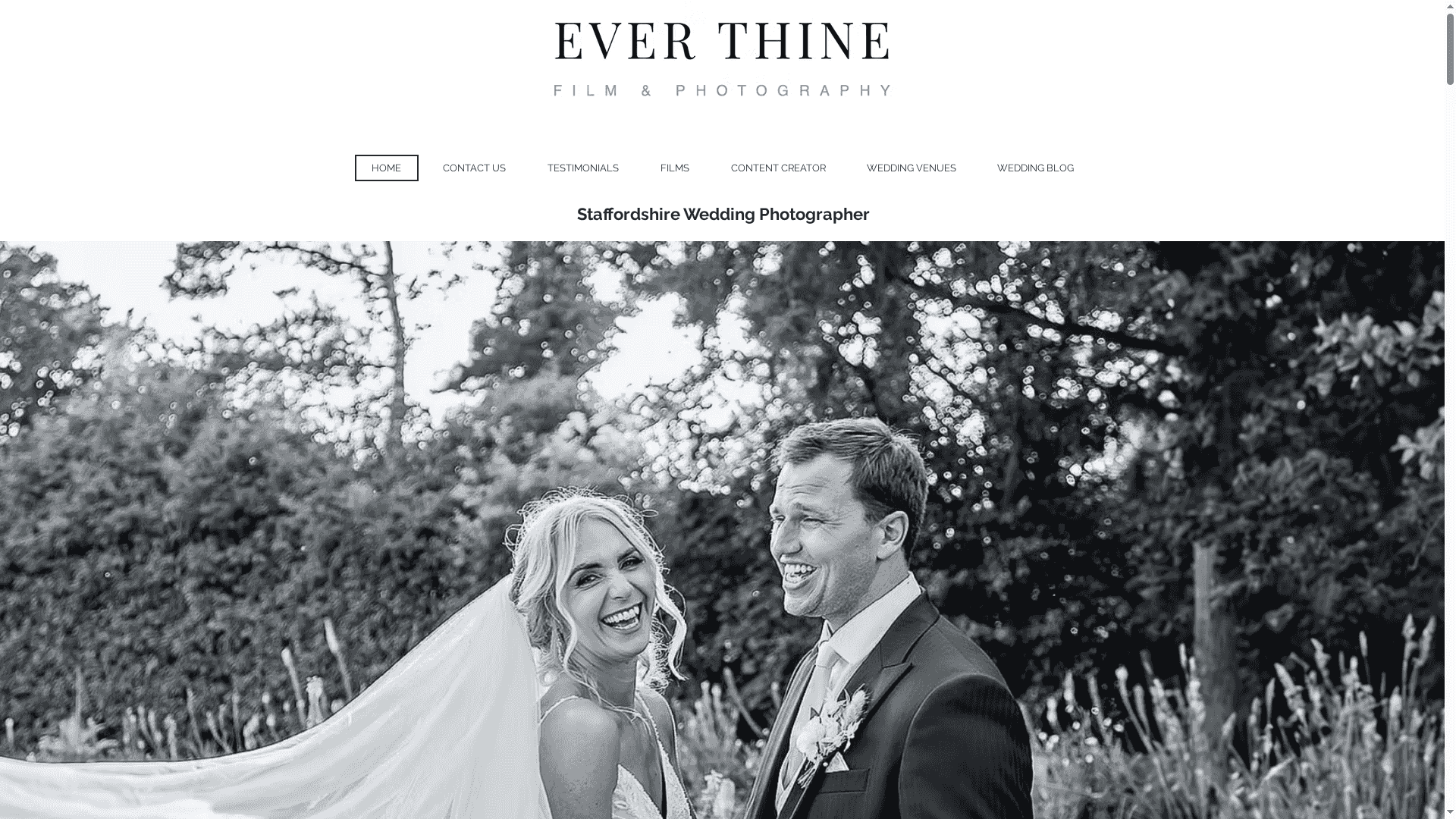
Explore our specialist regional services to find photographers who know your venue’s best locations and lighting. Our Derbyshire wedding photographers excel at Peak District backdrops, whilst our Staffordshire specialists navigate local venues with practiced ease. For Worcestershire celebrations, our experienced photographers combine technical excellence with unobtrusive storytelling. Contact us for personalised consultations where we’ll discuss your vision, refine your photo list, and design coverage that captures every treasured moment.
Frequently asked questions
What is a wedding tradition photo list?
A wedding tradition photo list is a detailed checklist of classic and essential photos couples want captured, including family portraits, ceremony highlights, and key reception moments. It guides photographers to capture formal and important moments systematically, ensuring nothing crucial is missed. Most lists include combinations of immediate family, extended relatives, bridal party groupings, and specific cultural or religious traditions unique to your celebration.
How can I balance traditional and documentary photography styles?
Communicate your must-have formal shots clearly to your photographer, providing a prioritised list with estimated timing for each grouping. Allow flexibility during candid moments for natural storytelling photos by avoiding over-scheduling and trusting your photographer’s instincts. The most successful balance dedicates specific windows to formal portraits whilst granting creative freedom for documentary coverage throughout the remainder of your day, ensuring both structured and spontaneous moments receive proper attention.
What tips help make wedding photo sessions run smoothly?
Plan photo timings in advance with your photographer, building realistic schedules that account for travel between locations and potential delays. Prepare family groups by assigning a coordinator who knows everyone and can gather participants efficiently, then inform key family members about photo schedules so they remain available. Relax and trust your photographer’s expertise, remembering that your genuine enjoyment creates better images than forced perfection.
How many photos should be on my tradition list?
Most couples benefit from 15 to 25 formal groupings, which typically requires 45 to 90 minutes depending on guest count and location logistics. Prioritise immediate family combinations and your most important extended family shots, recognising that excessive formal photography reduces time for candid coverage and guest interaction. Quality trumps quantity, so focus your list on truly meaningful combinations rather than exhaustive permutations that create diminishing returns.
Should I share my photo list with family before the wedding?
Sharing your finalised list with immediate family prevents surprises and helps them understand timing expectations, particularly if certain relatives aren’t included in formal shots. However, avoid soliciting extensive input from multiple family members, which often generates conflicting requests and expands your list unmanageably. Present your list as decided rather than negotiable, though remaining open to one or two genuinely important additions you may have overlooked.
Recommended


Comments