
How post-production enhances your wedding story

Many couples assume post-production means heavy filters and artificial effects that mask reality. In truth, professional post-production refines raw wedding footage and images to reveal the authentic emotions and details you experienced. It transforms documentary-style photography and cinematic films into cohesive narratives that preserve your day exactly as it felt. This article clarifies different post-production approaches, explains the workflow behind polished wedding media, and helps you choose techniques that honour your unique story. You’ll discover how subtle enhancements amplify genuine moments without compromising authenticity, ensuring your memories remain vivid for decades.
Table of Contents
Key Takeaways
Point | Details |
Natural edits preferred | Many UK couples favour natural post production that preserves authentic colours, tones and textures rather than heavy stylisation. |
Authentic storytelling through editing | Post production refines raw footage to reveal genuine emotions and to construct a cohesive narrative that matches how the day felt. |
Faster delivery | Professional post production speeds delivery to busy photographers without compromising quality. |
Consistent look across venues | Colour grading and editing balance across varying lighting conditions to create a unified gallery. |
What is post-production and why does it matter in weddings?
Post-production encompasses every creative and technical process that occurs after your wedding day concludes. It includes culling through thousands of raw files, selecting the strongest images, adjusting exposure and colour balance, retouching distracting elements, and sequencing photos or video clips into a cohesive narrative. For photography, this means colour grading to match lighting conditions across different venues, subtle skin retouching that preserves natural texture, and removing temporary distractions like exit signs or stray cables. Video post-production involves similar colour work plus audio mixing, transitions, and pacing adjustments that create cinematic flow.
Why does this matter? Raw files rarely capture the emotional intensity you experienced during vows or first dances. Wedding post-production service professionals choose natural edits matching your vision, communicate style preferences early to avoid over-editing, and outsource work to accelerate delivery for busy photographers. Professional editing brings documentary-style coverage to life by emphasising the emotional impact of editing through balanced tones and careful sequencing. A ceremony photo might appear too dark or too cool in its raw state, but thoughtful adjustments restore the warmth and clarity you remember.
Post-production also ensures consistency across hundreds of images shot in varying light conditions throughout your day. Morning preparations in dim hotel rooms, bright outdoor ceremonies, and evening receptions with coloured uplighting all require different technical approaches. Without skilled editing, your gallery would feel disjointed rather than unified. Professional post-production delivers polished results faster than couples expect, typically within eight to twelve weeks, because specialists work efficiently with established workflows and quality standards.
Pro tip: Schedule a pre-wedding consultation specifically to discuss editing style preferences. Bring examples of wedding galleries you admire and explain what appeals to you about their colour palette, contrast levels, and overall mood. This conversation prevents mismatched expectations and ensures your photographer understands whether you prefer bright and airy aesthetics, moody and dramatic tones, or something in between.
Balancing natural and cinematic styles in wedding post-production
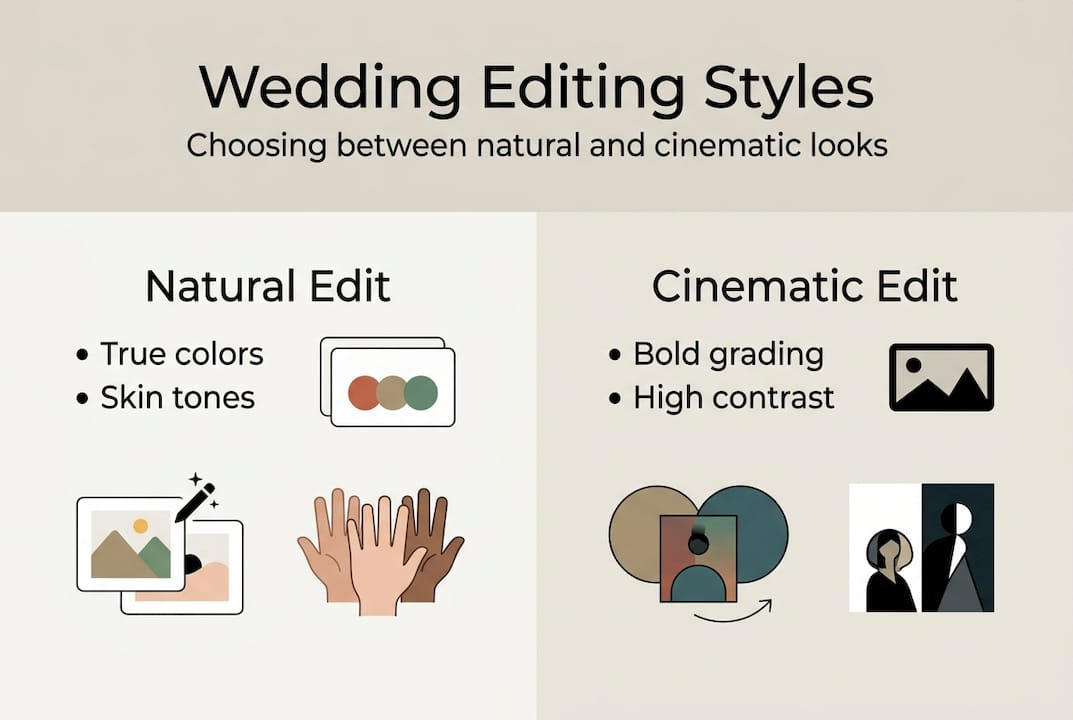
Post-production styles exist on a spectrum from documentary minimalism to bold cinematic effects. Natural editing preserves authentic skin tones, maintains realistic colour relationships, and makes subtle adjustments that viewers barely notice. This approach prioritises truthfulness over stylisation, ensuring your images look timeless rather than trendy. Wedding photo editing tips UK natural style research shows 72% of UK couples prefer natural post-production, favouring documentary minimalism over heavy cinematic effects, though contemporary bold grading suits some venues and personal styles.
Cinematic post-production introduces more dramatic colour grading, stronger contrast, and sometimes selective colour techniques that emphasise specific elements. This style works beautifully for couples marrying in architecturally striking venues or those wanting fashion-editorial aesthetics. A cinematic wedding video guide approach might include teal-and-orange colour grading, vignetting, or film grain effects that create a movie-like quality. Whilst visually striking, these techniques risk feeling dated as trends evolve.
Style | Characteristics | Best suited for | Longevity |
Natural/documentary | Authentic skin tones, subtle adjustments, realistic colours | Couples prioritising timeless authenticity and emotional truth | High – remains relevant across decades |
Cinematic/dramatic | Bold colour grading, strong contrast, stylised effects | Fashion-forward couples, striking architectural venues | Moderate – may feel dated as trends shift |
Hybrid approach | Natural foundation with selective cinematic moments | Couples wanting versatility and creative highlights | High – balances timelessness with artistic expression |
Choosing your style depends on several factors. Consider your venue’s natural aesthetic, your personal fashion preferences, and how you want to feel when viewing images in twenty years. A rustic barn wedding often suits warmer, natural tones that honour the venue’s organic textures. A contemporary art gallery venue might accommodate bolder, more experimental grading. Your clothing choices also influence editing decisions—a classic ivory gown and navy suit photograph differently than a blush dress and burgundy tuxedo.
Pro tip: Request to see full wedding galleries rather than individual highlight images when evaluating a photographer’s wedding photo editing tips style. Single images can mislead, but complete galleries reveal consistency, how the editor handles challenging lighting, and whether their aesthetic remains cohesive throughout an entire day. Pay special attention to skin tones across different lighting conditions and whether detail remains visible in both shadows and highlights.
The post-production process: step-by-step from raw files to final story
Understanding the workflow behind your wedding media helps set realistic expectations and appreciate the expertise involved. Post-production unfolds through distinct stages, each requiring specialised skills and significant time investment.
Photography workflow
Importing and backup: Photographers transfer raw files from memory cards to multiple storage locations, creating redundant backups to prevent data loss. This typically happens within 24 hours of your wedding.
Culling and selection: Editors review every frame, eliminating duplicates, test shots, and technically flawed images. From 3,000 to 5,000 raw captures, they select 400 to 600 keeper images that tell your complete story.
Colour correction and grading: Each selected image receives exposure adjustments, white balance correction, and colour grading that creates visual consistency across varying lighting conditions.
Retouching: Subtle work removes temporary distractions (exit signs, stray objects) and addresses minor skin blemishes whilst preserving natural texture and authentic appearance.
Sequencing and delivery: Images are arranged chronologically or thematically, then exported in appropriate formats for online galleries and print orders.
Videography workflow
Video wedding video editing steps follow a similar but more complex path. Editors synchronise footage from multiple cameras, select the strongest clips, and build a narrative structure. Audio work includes balancing ceremony audio, mixing music tracks, and ensuring dialogue remains clear. Colour grading matches the photographic aesthetic, and transitions between scenes create smooth flow. Final rendering produces files optimised for online streaming and archival storage.
Post-production stage | Purpose | Photography time | Videography time |
Import/backup | Secure raw files | 2-4 hours | 4-6 hours |
Culling/selection | Choose strongest content | 8-12 hours | 12-16 hours |
Editing/grading | Create visual consistency | 15-20 hours | 25-35 hours |
Retouching/refinement | Polish final details | 6-10 hours | 8-12 hours |
Sequencing/delivery | Arrange and export | 4-6 hours | 6-10 hours |
Wedding post-production service specialists accelerate delivery for busy photographers by handling time-intensive editing tasks. Outsourcing allows photographers to focus on shooting more weddings whilst maintaining consistent quality standards. Professional editing teams work with calibrated monitors, established presets, and efficient workflows that individual photographers might struggle to replicate alone.
To streamline post-production, couples should provide several items early:
A detailed timeline showing when key moments occurred, helping editors sequence footage accurately
Correct spellings of all names for titles and captions
Music preferences or restrictions for video soundtracks
Any specific requests for particular moments or people to emphasise
Feedback on any preview images shared during the editing process
How post-production enhances your wedding story and memories
Post-production’s true value lies in its ability to amplify emotional resonance without fabricating moments that didn’t occur. Colour tone adjustments recreate the warmth you felt during golden-hour portraits or the intimacy of candlelit receptions. Exposure balancing ensures your grandmother’s face remains visible in shadowy church corners and your dress details shine in bright outdoor light. These technical corrections preserve authenticity rather than distorting it.
Subtle retouching serves memory preservation by removing elements that would distract from genuine emotion. A beautiful first-look moment shouldn’t be remembered for the construction equipment visible in the background or the unflattering shadow across your partner’s face. Wedding post-production service professionals choose natural edits matching your vision and communicate style preferences early to avoid over-editing that compromises authenticity. Skilled editors remove distractions whilst preserving skin texture, natural expressions, and environmental context that make images feel real.
“Professional post-production reveals rather than invents. It uncovers the emotional truth of your wedding day by removing technical limitations and environmental distractions that cameras inevitably capture. The goal is making you feel exactly what you felt in that moment, not creating something artificial.”
Sequencing creates narrative flow that mirrors how you experienced your day. A well-edited gallery or film doesn’t simply present chronological documentation. It builds emotional momentum through careful pacing, emphasises meaningful glances and gestures, and creates breathing room between intense moments. Video editors use music, pacing, and clip selection to recreate the emotional arc of your ceremony—anticipation building during the processional, intensity during vows, release during the recessional.
Post-production also highlights small details that might escape notice in raw files. The way your partner’s hand trembled slightly whilst placing your ring. Your father’s expression as he saw you in your dress for the first time. These micro-moments carry enormous emotional weight, and creative wedding editing techniques ensure they receive appropriate emphasis. Thoughtful cropping, selective focus adjustments, and careful sequencing draw attention to gestures and expressions that tell your unique story.
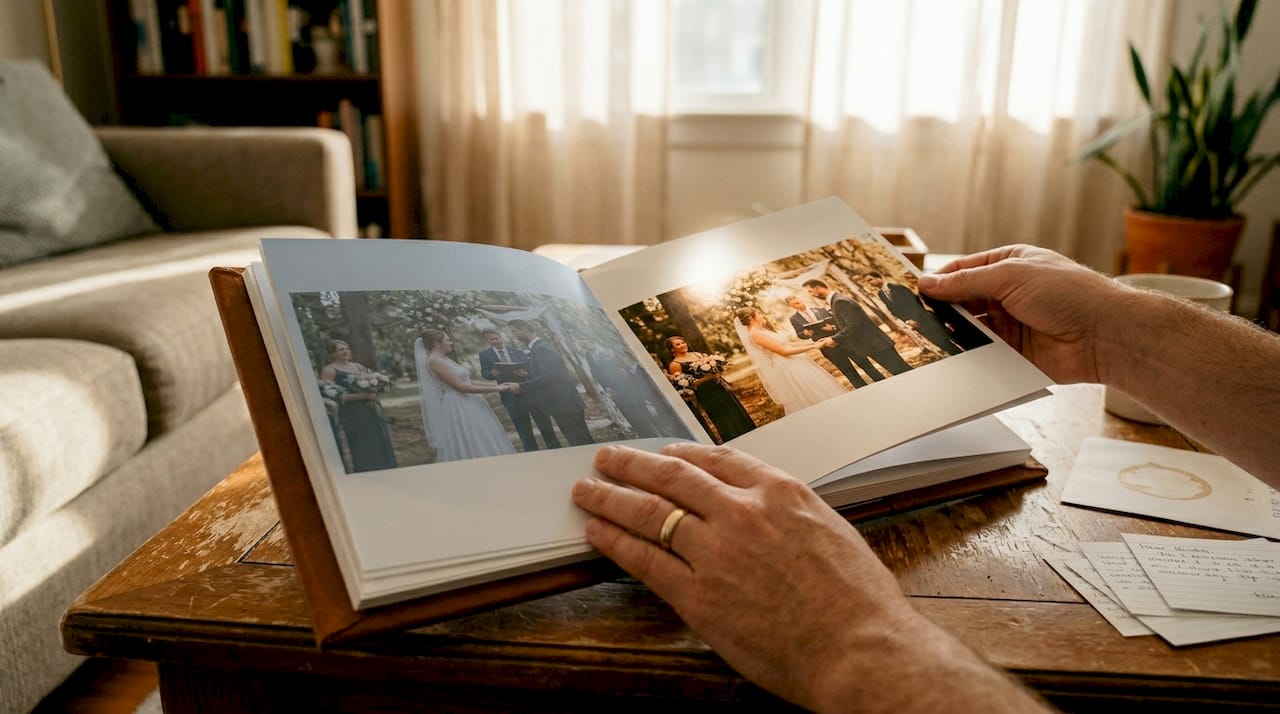
Consider the difference between a raw ceremony image and its edited version. The raw file might show correct exposure but flat colours, distracting elements in the background, and unbalanced composition. Post-production brings intentionality to every element—warming the colour palette to match the emotional temperature of the moment, subtly darkening distracting backgrounds to emphasise faces, and refining composition through cropping. The edited version doesn’t show a different reality; it shows the same moment with technical obstacles removed and emotional truth emphasised.
Discover expert wedding photography and videography services
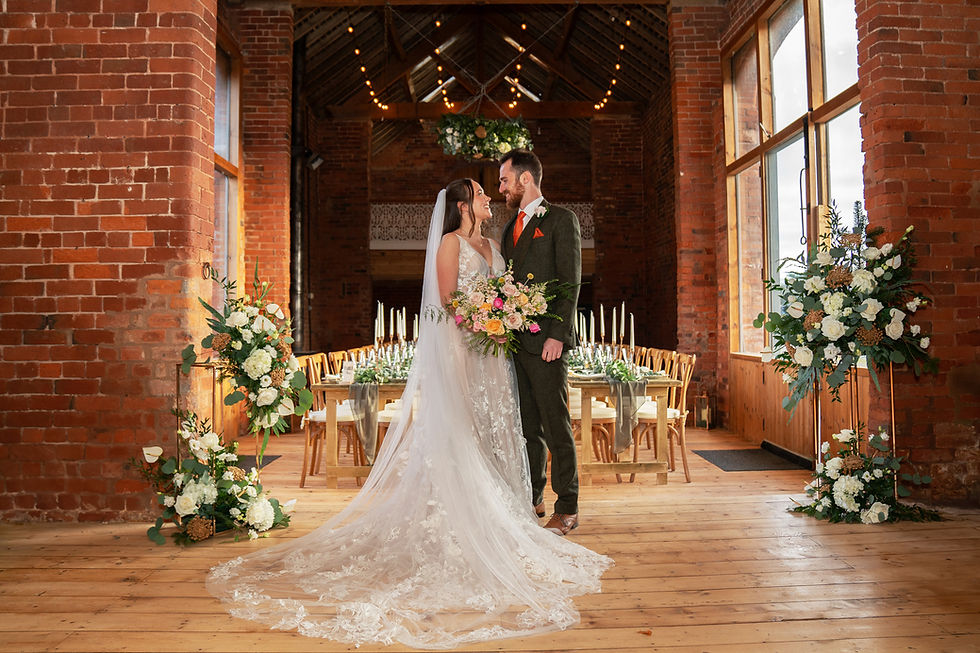
Professional wedding coverage combines skilled shooting with sophisticated post-production to create authentic visual narratives. Award-winning services based in Staffordshire specialise in documentary-style photography and cinematic films that prioritise genuine emotion over posed artifice. These professionals understand how post-production techniques enhance rather than distort your wedding story, delivering natural edits that feel timeless decades later.
Experienced teams work throughout the Midlands, offering personalised consultations where you can discuss editing preferences, review portfolio galleries, and ensure stylistic alignment before booking. Their approach balances unobtrusive coverage during your day with meticulous post-production that reveals every meaningful detail. Whether you’re planning a celebration in Derbyshire’s countryside venues, Staffordshire’s historic estates, or Worcestershire’s elegant settings, regional expertise ensures familiarity with local lighting conditions and architectural features that influence editing decisions. Explore services from a trusted wedding photographer derbyshire specialist, discover the work of an award-winning photographer staffordshire professional, or connect with an experienced wedding photographer worcestershire expert to begin planning your wedding coverage.
Frequently asked questions
What specific tasks does wedding post-production include?
Post-production encompasses culling through raw files to select the strongest images, adjusting exposure and colour balance for consistency, retouching to remove temporary distractions, and sequencing content into a cohesive narrative. For video, it also includes audio mixing, transitions, and pacing adjustments that create cinematic flow.
How can couples influence their post-production style?
Schedule a detailed consultation before your wedding to discuss editing preferences, sharing examples of galleries you admire and explaining what appeals to you about specific colour palettes and contrast levels. Provide feedback on any preview images your photographer shares during the editing process to ensure alignment with your vision.
What timeframe should couples expect for post-production completion?
Professional wedding photographers typically deliver edited galleries within eight to twelve weeks, whilst videographers often require ten to sixteen weeks due to the additional complexity of audio mixing and clip sequencing. Timelines vary based on wedding season demand and whether photographers outsource editing to specialist services.
Why does natural editing remain more popular than heavy cinematic effects?
Natural post-production preserves authentic skin tones and realistic colour relationships, creating timeless images that remain visually appealing across decades. Heavy cinematic effects, whilst striking initially, often feel dated as colour grading trends evolve, making natural approaches a safer choice for long-term memory preservation.
What should couples provide to streamline the post-production workflow?
Share a detailed timeline showing when key moments occurred, provide correct spellings of all names for captions, communicate music preferences for video soundtracks, identify specific moments or people to emphasise, and respond promptly to any preview images your photographer shares for feedback during editing.
Recommended


Comments