
Wedding memory preservation tips for every couple

TL;DR:
Preserving wedding memories requires timely professional dress cleaning, secure digital backups, and early flower preservation. Combining physical keepsakes with digital archives and capturing videos adds emotional depth and longevity to these memories. Focusing on a few quality methods aligned with personal priorities ensures lasting keepsakes that truly honor your special day.
Your wedding day passes faster than you expect, and the photographs, video footage, flowers, and physical keepsakes left behind are all you have to bring it back. Knowing which wedding memory preservation tips actually work, and which approaches leave couples disappointed three years later, requires more thought than most people give it before the big day. This guide covers the full picture, from dress care and digital backups to floral preservation and memory boxes, so you can make choices you will genuinely treasure.
Table of Contents
Key takeaways
Point | Details |
Act quickly on dress care | Send your gown for professional cleaning within 2 to 4 weeks to prevent invisible stains from setting permanently. |
Use the 3-2-1 backup rule | Store wedding photos across three copies on two media types with one copy held off-site for true security. |
Plan flower preservation early | Resin bouquet preservation takes 26 to 35 weeks, so book your specialist before the wedding day. |
Combine physical and digital | A well-organised memory box paired with a digital archive protects memories against both physical decay and data loss. |
Video captures what photos miss | Professional wedding videography records vows, laughter, and atmosphere in ways still images simply cannot replicate. |
Wedding memory preservation tips: how to choose the right methods
Before you commit to any single approach, it helps to measure your options against a clear set of criteria. Not every method suits every couple, and the best ways to preserve wedding memories depend on your priorities, budget, and practical circumstances.
Consider these factors when weighing up your options:
Longevity. How long will this method keep your memory intact? Professional archival dress packaging can protect a gown for up to 100 years, while a phone gallery left unbacked could be gone within a year.
Sensory value. Photos are visual, but video also carries sound. A pressed flower has texture. Think about which senses you want to engage when you revisit this memory.
Cost. Professional preservation services vary widely in price. Budget for the methods that matter most and treat others as a bonus rather than an afterthought.
Feasibility and timing. Several preservation methods have strict time windows. Missing them limits your options significantly.
Display and storage space. A three-dimensional resin bouquet needs shelf space. A gallery wall needs wall space. A digital archive needs no physical room at all.
Pro Tip: Make a simple priority list before your wedding of the five physical items and three digital outputs you most want to preserve. Share this with your photographer, videographer, and family so everyone knows what matters.
1. Professional wedding dress preservation
The single most common regret couples share about their gowns is waiting too long to act. Residual sugars from wine, body oils, and invisible food stains do not look alarming on the day, but they oxidise over time and turn fabric yellow. Sending your dress within 2 to 4 weeks of the wedding prevents this from happening.
Professional cleaning goes well beyond a standard dry clean. Services use specialist fabric-safe organic cleaners, UV inspection lamps to find invisible stains, and precise repairs before packaging. The gown is then folded with acid-neutral tissue and fitted into a bespoke chest with a shaped interior bust to hold the silhouette and prevent fabric creasing. This acid-free archival packaging is what separates preservation from mere storage.
Avoid plastic garment bags entirely. Plastic traps moisture and accelerates yellowing. Store your preserved gown in a dark, cool, dry environment away from loft spaces, which suffer from temperature swings, and away from direct sunlight. A wardrobe on an internal wall is often the safest choice in a typical home.
Pro Tip: Ask your preservation specialist whether their chest includes a viewing window. This lets you inspect the gown without disturbing the sealed acid-free environment.
2. Securing your digital photos with the 3-2-1 backup rule
This is the area where couples feel most confident and are, in practice, most vulnerable. Keeping wedding photos safe long-term is not just about having them on your phone or saved in one cloud account. Relying on a single platform puts everything at risk from account suspension, accidental deletion, or simple hardware failure.
The professional standard is the 3-2-1 rule:
3 copies of every file
Stored across 2 different media types (for example, a laptop and an external hard drive)
With 1 copy held off-site, such as in cloud storage or at a family member’s home
Cloud storage acts as a fail-safe against hardware failure and physical disasters. When your photographer delivers your gallery, download the original resolution files as ZIP archives rather than compressed previews. Organise your folders clearly: by date, then by photographer or category such as ceremony, speeches, and reception.
Pro Tip: Run a biannual data integrity check by opening a random selection of files from each backup location. Bit rot, where file data degrades silently over time, is real and periodic spot-checks catch it early.
For physical prints, the memories become tangible. A printed wedding album tells the story of the day in sequence and survives any platform closure. Gallery walls, layflat photo books, and framed prints all serve a different emotional purpose from a digital gallery and are worth budgeting for separately.
3. Collecting guest photos without the usual friction
Your guests captured moments your photographer was not positioned to see. The challenge is gathering those images without chasing people across social media for weeks. QR code upload platforms that require no app download and no account registration see participation rates of 50 to 70 percent compared to much lower rates for platforms that require guests to sign up first.

Place QR codes on every table, at the bar, and near the photo booth. Make it three seconds of effort for a guest and most of them will upload without being asked twice. Assign one trusted person on the day to remind guests during the reception that the code is available.
4. Preserving wedding flowers: pressed versus 3D methods
Your bouquet is one of the most tactile memories of the day. The best approach to flower preservation depends on the specific flowers involved and how you want to display the result.
Method | Appearance | Timeline | Best for |
Pressed flowers | Flat, botanical art | 2 to 4 weeks | Framing, cards, artwork |
Resin block | Full 3D, natural shape | 26 to 35 weeks | Display piece, shelf |
Shadow box | Mixed display | 4 to 8 weeks | Wall-mounted keepsake |
Pressing suits flat artwork and looks elegant framed, while resin blocks preserve the natural shape and colour of the bouquet as a three-dimensional object. The critical factor with resin is speed. Flowers must be shipped within 2 to 3 days of the wedding to avoid moisture build-up, which causes internal cloudiness and discolouration in the resin.
Given that production timelines for resin typically run 26 to 35 weeks, couples should research and book their specialist before the wedding itself. Treating this as a last-minute decision almost always leads to disappointment.
Pro Tip: Ask your florist which flowers in your bouquet press well and which hold up better in resin. Some blooms lose their colour when pressed but keep it beautifully in resin, while delicate flowers with tissue-thin petals often perform better when pressed flat.
5. Building a wedding memory box
A memory box is one of the most personal and underrated of all the creative wedding memory ideas available to couples. Unlike a photo album, it holds a mix of physical items that each carry their own sensory memory.
Items worth including:
The order of service and ceremony programme
Handwritten vow cards
A pressed flower from the bouquet
Pieces of ribbon or fabric from the table settings
Rings or jewellery worn on the day (if replaced or upgraded later)
Guestbook pages or individual written notes from guests
A menu card from the wedding breakfast
The wedding invitation suite
Digitising the physical items in your memory box, by scanning handwritten notes at high resolution, adds a layer of searchability and insurance against physical decay. Store the memory box in a dry, dark location away from sunlight and humidity. An archival-quality box made from acid-free board protects the contents far better than a decorative tin or standard cardboard.
For the digital side of your archive, organise files chronologically so they tell the story of the day from morning preparations through to the last dance. Keep copies locally, in the cloud, and share access with close family members so the archive is never dependent on a single person.
6. Capturing wedding video and audio for emotional depth
Photographs are brilliant at stopping time. Video and audio are what make you feel time again. Recording vows, speeches, and candid moments captures the emotional texture of the day in a way no still image can fully replicate. The way a voice breaks during vows, the laughter during the best man’s speech, the sound of the room when you walk in as a married couple. These are irreplaceable.
If budget allows for only one professional upgrade beyond photography, professional wedding videography is it. A cinematic wedding film becomes more valuable with each passing year, not less. Consider asking your videographer to capture pre-ceremony voice notes or a brief interview with each of you on the morning of the wedding. These behind-the-scenes moments are often the ones couples cherish most.
My perspective on wedding memory preservation
I have seen more couples than I can count who treated memory preservation as something to sort out after the wedding. In my experience, that is exactly when it becomes stressful and expensive, if it happens at all.
The thing that surprises most people is how much audio and video matter compared to photographs alone. Photos are beloved, but the recordings of voices, the atmosphere of a room, the genuine laughter during speeches — audio and video preserve the emotional texture of the day in a way that still images cannot. I have watched couples return to their wedding film years later and be genuinely moved in a way they were not prepared for. It is not just nice to have. It is a different kind of memory entirely.
I also think the obsession with doing everything leads couples to do nothing particularly well. Pick two or three methods that genuinely reflect your personalities, do them properly, and you will have something that lasts. A beautifully archived set of photographs, a professionally preserved dress, and a cinematic wedding film will serve you far better than a dozen half-finished projects.
The best wedding keepsake planning starts months before the day, not the week after.
— Ever
Preserve your day with Weddingfilmphotography
[
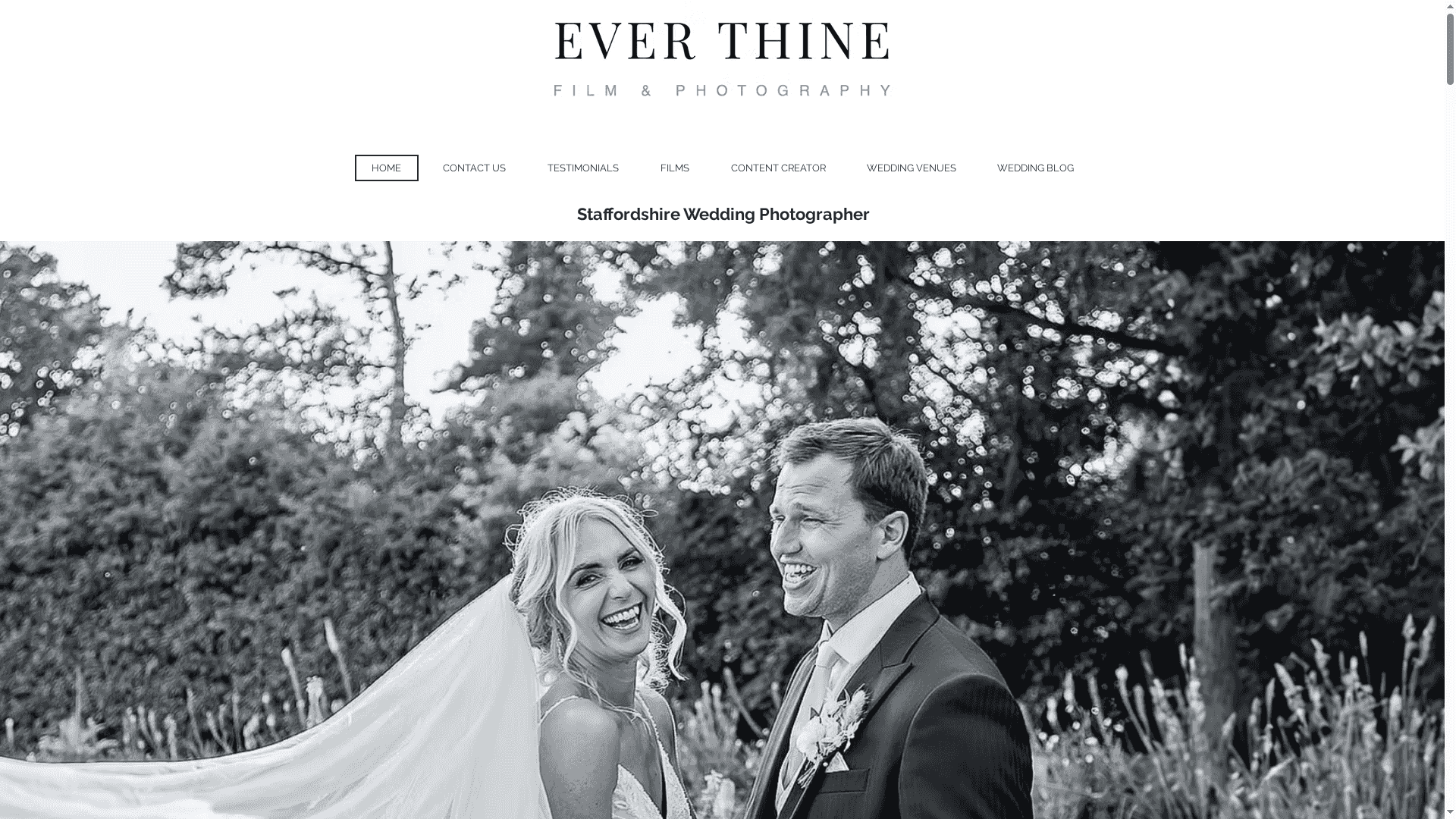
If you want photographs and film that are worth preserving in the first place, the quality of coverage on the day is where everything begins. Weddingfilmphotography is a multi-award-winning team based in Staffordshire, covering weddings across Derbyshire, Worcestershire, and beyond. The documentary-style approach captures candid, unposed moments and genuine emotion without intruding on your day.
Every couple receives professionally delivered, full-resolution digital files with clear guidance on archiving and backing up their gallery. Whether you are looking for a wedding photographer in Staffordshire or need coverage further afield in Derbyshire, the team brings the same level of care to every wedding. Spaces fill up well in advance, so early contact is always recommended.
FAQ
How soon should I send my wedding dress for preservation?
Send your gown to a professional within 2 to 4 weeks of the wedding. Invisible stains from body oils and sugars oxidise over time and cause yellowing that becomes very difficult to reverse.
What is the 3-2-1 backup rule for wedding photos?
The 3-2-1 rule means keeping three copies of your photos across two different media types, with one copy stored off-site. This protects against hardware failure, accidental deletion, and physical disasters.
How do I choose between pressed and resin flower preservation?
Choose pressing for flat botanical artwork and framing; choose resin if you want a three-dimensional display piece that retains the bouquet’s natural shape. Your florist can advise on which method suits your specific flowers best.
What should I put in a wedding memory box?
Include items such as your order of service, vow cards, pressed flowers, guestbook pages, a menu card, and your invitation suite. Scan handwritten items at high resolution and store the box in a cool, dark, dry place using acid-free materials.
Is professional wedding videography worth the cost?
Yes, particularly for capturing vows, speeches, and atmosphere that photographs cannot fully replicate. Couples consistently report that their wedding film becomes more meaningful with every year that passes.
Recommended
Comments