
Rainy day wedding tips: your complete UK guide
- 15 hours ago
- 8 min read
TL;DR:
Planning for rain involves establishing decision timelines, budgeting for contingencies, and treating tents as designed venues.
Clear communication with suppliers and guests ensures smooth coordination when weather changes occur.
Rain on your wedding day is not a disaster waiting to happen. It is a design challenge with well-established solutions, and the best rainy day wedding tips treat wet weather as a variable to plan around, not a reason to panic. UK couples face genuinely unpredictable summers, and the most prepared pairs build a full wet weather contingency into their planning from the start. With the right structure, budget, and creative mindset, a rainy wedding can produce some of the most intimate, atmospheric, and visually striking results of any celebration.
1. Establish clear decision points before the day arrives
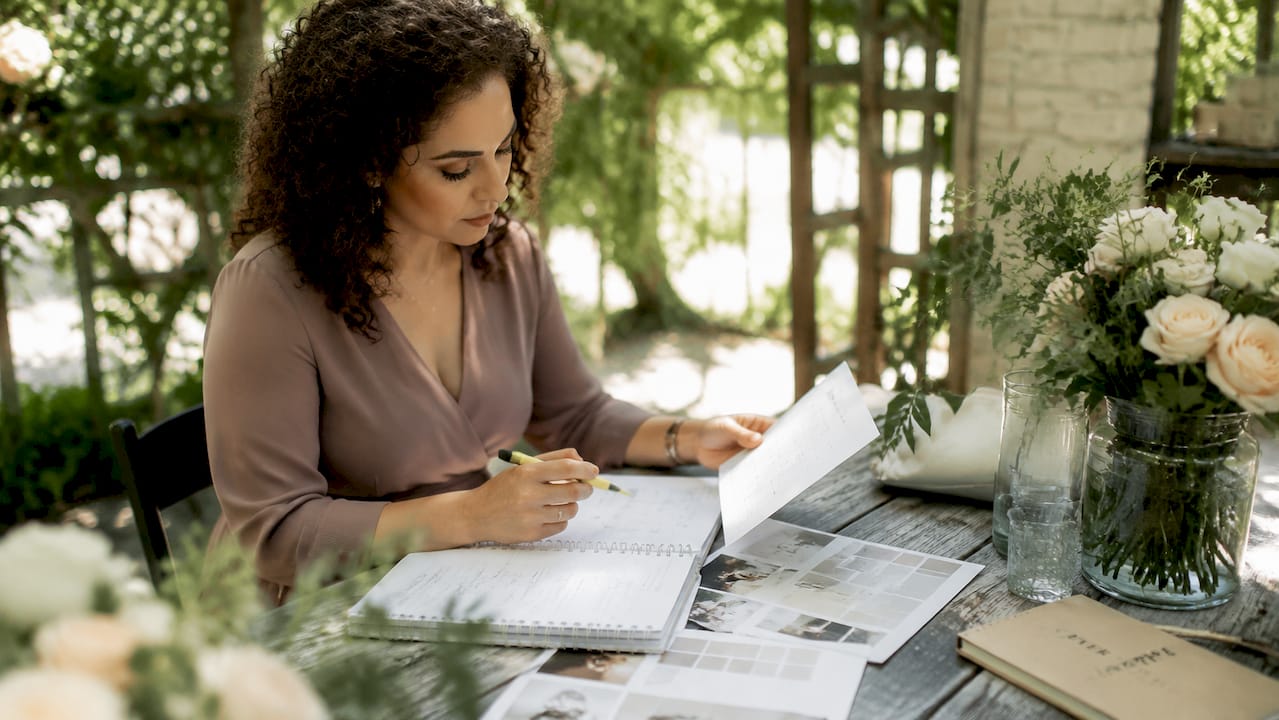
The single most effective wet weather strategy is a firm decision timeline. Experts recommend checking forecasts 72 hours out, activating indoor or tent arrangements 48 hours prior, and making a final call by 9:00 AM on the wedding day itself. That structure removes guesswork and prevents last-minute chaos. Every supplier, from your caterer to your florist, needs to know the trigger points in advance.
Checking forecasts too early creates unnecessary anxiety. Accurate predictions only become reliable within the 48–72 hour window before your event. Focus your energy before that point on preparing solutions, not monitoring weather apps.
Pro Tip: Write your decision timeline on a single card and share it with your venue coordinator, photographer, and wedding planner at least two weeks before the day.
2. Budget specifically for wet weather contingencies
A dedicated wet weather budget is not optional for UK outdoor weddings. Marquee or tent rental typically costs £600–£1,200, and specialised wedding insurance adds a further £100–£400. Those figures are manageable when built into your overall budget from the start, but painful when treated as a surprise. Insurance coverage for named storms is limited, so read the policy terms carefully.
Covered walkways and solid flooring panels between parking areas, the ceremony space, and reception facilities are a separate but equally important cost. Solid flooring prevents slippery, muddy paths that ruin shoes, damage dresses, and create genuine safety hazards. Budget for these items as non-negotiable infrastructure, not optional extras.
3. Write a backup plan that anyone can execute
Complexity kills contingency plans. The most successful wet weather plans use written instructions of fewer than three sentences, so any team member can act without needing a briefing. A plan that requires a ten-minute explanation will fail under pressure. Keep it to: what triggers the switch, who makes the call, and where everyone goes.
Share the written plan with your venue, photographer, caterer, and any key family members who will help coordinate guests. Avoid plans that require moving between multiple structures. The best arrangements keep everyone in a single space wherever possible, which reduces confusion and protects the schedule.
4. Use tipis, sailcloth tents, and marquees as designed spaces
The most important shift in thinking for a wet weather wedding is this: tipis and sailcloth tents are not fallbacks. They are venues. Couples who treat their tent as a designed space from the outset, rather than a last resort, create genuinely beautiful environments that guests remember for the right reasons.
Warm Edison bulb lighting, fire pits, sheepskin throws on chairs, and lounge furniture clusters all transform a canvas structure into something cosy and intentional. The enclosed nature of a tipi or sailcloth tent actually creates intimacy that open outdoor spaces cannot match. Rain on the roof becomes ambient sound rather than an inconvenience.
“Wet weather plans, when treated as a design element rather than a fallback, create intentional, intimate, and cosy atmospheres that guests genuinely appreciate. The shift from ‘plan B’ to feature changes everything about how a rainy wedding feels.”
5. Distribute stylish umbrellas for photos and guest comfort
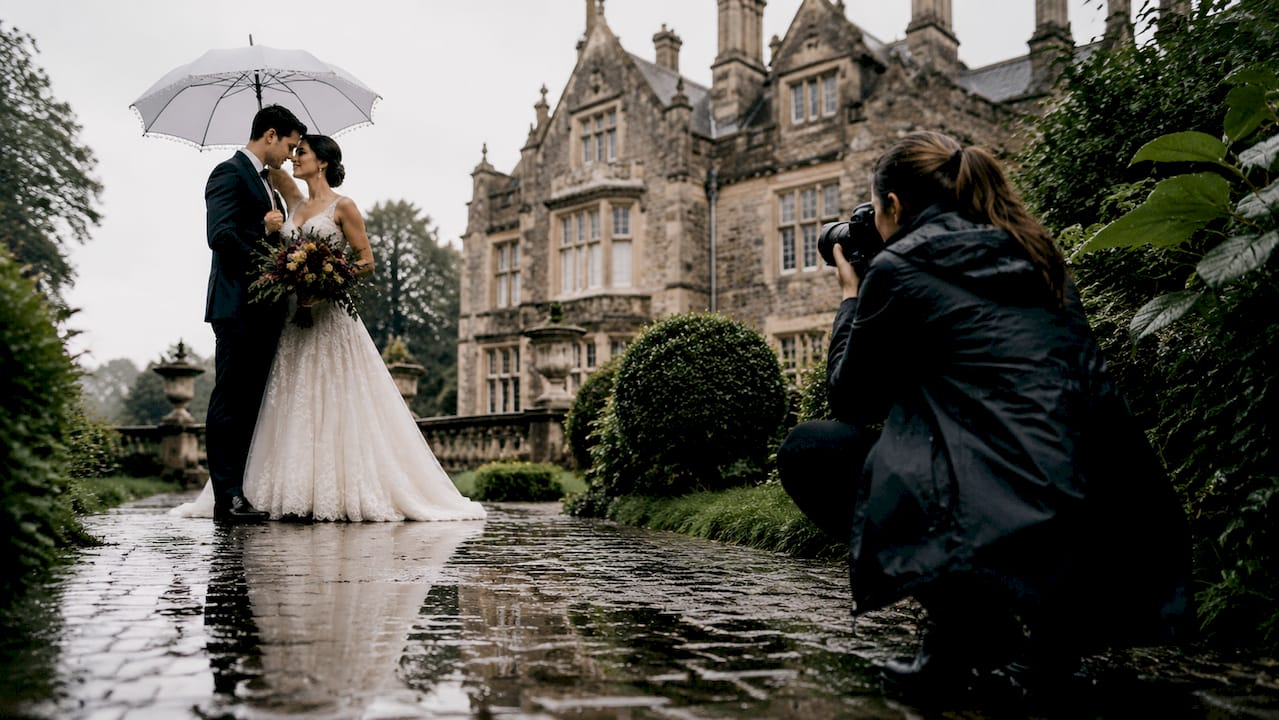
Clear or white umbrellas photograph beautifully and keep guests dry without blocking faces or adding visual clutter to images. Providing a set of matching umbrellas is one of the most cost-effective rainy day accessories you can offer. Place them in a stand near the ceremony entrance so guests can grab one without being asked.
For photography, umbrellas create natural framing and add a graphic element to portraits. Photographers highlight the “umbrella moment” as a genuine creative opportunity, not a workaround. A couple sharing an umbrella in a doorway or reflected in a puddle produces images with mood and character that bright sunshine simply cannot replicate.
6. Protect your guests from the moment they arrive
Guest comfort during rain depends almost entirely on the arrival experience. A wet, muddy walk from the car park to the venue sets a negative tone that is hard to recover from. Covered walkways, umbrella stands at entrances, and a basket of small towels near the door address the problem before guests even notice it.
Place umbrella stands at every entrance, not just the main door
Offer backup flat shoes or heel covers for guests in heels on soft ground
Position a towel basket discreetly near the entrance for damp coats and hair
Assign a coordinator or usher specifically to manage guest arrivals during heavy rain
Brief your venue on keeping entrance areas clear and dry throughout the day
Pro Tip: Ask your venue coordinator to check entrance matting and covered areas the morning of the wedding. Wet mats are a slip hazard and should be replaced or dried before guests arrive.
7. Protect stationery, flowers, and delicate décor from humidity
Humidity inside tents damages paper stationery and wilts floral arrangements faster than direct rain. Place table plans, menus, and order of service cards away from entrances and ventilation points. Use weighted bases for centrepieces and protective covers for any flowers that will be outside before the ceremony.
Proper ventilation inside a tent prevents moisture from building up, but it also needs to be balanced against heating. A tent that is too warm becomes humid quickly. Work with your hire company to set up regulated heating that keeps the space comfortable without creating a greenhouse effect. Your florist will thank you for it.
8. Adapt your photography timeline for wet weather
A rainy day requires a more flexible photography schedule, not a shorter one. Build 30–60 minutes of buffer into your timeline to account for slower guest movement, equipment relocation, and finding covered portrait spots. That buffer is not wasted time. It is the difference between rushed, stressed images and relaxed, natural ones.
The table below outlines a practical approach to adapting your photography schedule when rain is forecast.
Photography moment | Wet weather adaptation |
Couple portraits | Move to covered doorways, barns, or woodland canopy |
Group shots | Use a large covered entrance or interior space |
Detail shots | Shoot indoors; use window light for flowers and rings |
Candid guest coverage | Rain creates natural gathering moments; capture those |
Umbrella portraits | Schedule a dedicated 10-minute slot during light rain |
Communicate any schedule changes through a shared group chat with your photographer, videographer, and venue coordinator. Fast, clear communication prevents delays from compounding. For more on capturing detail shots in challenging conditions, Weddingfilmphotography has a detailed workflow guide worth reading before your day.
9. Collaborate with your photographer on creative rain shots
Photographers who embrace rain focus on presenting couples with solutions rather than problems. Brief your photographer in advance on your attitude to wet weather. If you are open to stepping outside for a few minutes during light rain, say so explicitly. That brief window often produces the most memorable images of the entire day.
Puddle reflections, rain-streaked windows, steamed-up glass, and the soft diffused light of an overcast sky all create photographic conditions that experienced wedding photographers actively seek out. For practical guidance on outdoor candid photography in variable UK weather, Weddingfilmphotography’s guide covers the techniques in detail.
10. Communicate changes clearly to all suppliers and guests
A rain plan only works if everyone knows about it. Create a simple communication chain: you inform your venue coordinator, who informs the catering team, who informs the bar staff. Your photographer and videographer should be on a separate direct message thread so they receive updates immediately. Do not rely on word of mouth during a busy wedding morning.
For guests, a brief note on your wedding website about the wet weather plan removes anxiety before the day. Something as simple as “We have a full covered plan in place whatever the weather” reassures people who are worried about what to wear or whether to bring an umbrella. Clear communication is the least expensive and most effective weatherproofing tool available.
Key takeaways
A rainy wedding day succeeds or fails based on preparation, not luck. The couples who enjoy wet weather weddings most are those who planned for rain from the start and chose to see it as part of the day’s character.
Point | Details |
Set firm decision points | Check forecasts at 72 hours out and make a final call by 9:00 AM on the day. |
Budget for wet weather | Allocate £600–£1,200 for tent hire and £100–£400 for specialist wedding insurance. |
Keep backup plans simple | Written instructions of fewer than three sentences prevent confusion during rapid changes. |
Treat tents as venues | Tipis and sailcloth tents with warm lighting create intimacy, not compromise. |
Build timeline buffer | Add 30–60 minutes to your schedule to absorb weather-related delays without stress. |
Rain is not the enemy: a photographer’s honest view
I have photographed weddings in every kind of UK weather, and I will tell you something that surprises most couples when I say it: rainy days are often my favourite ones to shoot. The light is softer, the colours are richer, and the moments are more intimate. Guests huddle together. Couples laugh under umbrellas. Nobody is squinting into harsh sunshine.
What I have noticed over the years is that the couples who struggle on rainy days are almost always the ones who had no plan. Not because the rain was worse, but because the uncertainty created stress that coloured every moment. The couples who had a clear tent arrangement, a simple decision timeline, and a photographer who knew the backup locations spent the same rainy afternoon laughing and dancing.
The “umbrella moment” is real. I have had couples tell me their favourite image from their entire wedding was taken in the rain, under a clear umbrella, in a doorway they had never noticed before. That image exists because we were prepared and because they were willing to step outside for five minutes. Planning for rain does not mean resigning yourself to a lesser day. It means giving yourself the freedom to enjoy whatever the day brings.
A well-planned photography workflow makes the difference between scrambling and flowing on a wet morning. Build that into your preparation, and rain becomes just another element of your story.
— Ever
Weddingfilmphotography and rainy day weddings
Rain does not stop great wedding photography. It changes it.
[

Weddingfilmphotography has covered weddings across Staffordshire, Derbyshire, and Worcestershire in every kind of weather the UK can produce. The team carries waterproof equipment, knows the best covered locations at venues across the region, and approaches wet days with the same calm, documentary-style coverage that defines every shoot. If you are planning a wedding and want a photographer who treats rain as an opportunity rather than an obstacle, explore the Derbyshire wedding photography services, the Staffordshire photography packages, or the Worcestershire coverage options to find the right fit for your day.
FAQ
When should I finalise my wet weather plan?
Make a final decision on activating your rain contingency by 9:00 AM on the wedding day, after checking forecasts from 72 hours out. That timeline gives all suppliers enough notice to prepare without leaving decisions too late.
How much should I budget for rain contingencies?
Marquee or tent hire typically costs £600–£1,200, and specialist wedding insurance adds £100–£400. Budget both from the start rather than treating them as optional additions.
Can rain actually improve wedding photos?
Rain creates softer light, richer colours, and natural framing opportunities like puddle reflections and umbrella portraits. Experienced photographers treat wet weather as a creative asset, not a limitation.
What are the best venues for rainy UK weddings?
Barn venues, tipi sites, and sailcloth tent hire companies offer the most flexibility for wet weather. The key feature to look for is a covered transition between parking, ceremony, and reception spaces.
How do I keep guests comfortable if it rains?
Place umbrella stands and towel baskets at every entrance, install solid flooring panels on muddy paths, and brief an usher to manage arrivals. A short note on your wedding website reassuring guests that a full covered plan is in place removes anxiety before the day begins.
Recommended