
The role of group portraits: why they matter
- 7 minutes ago
- 7 min read
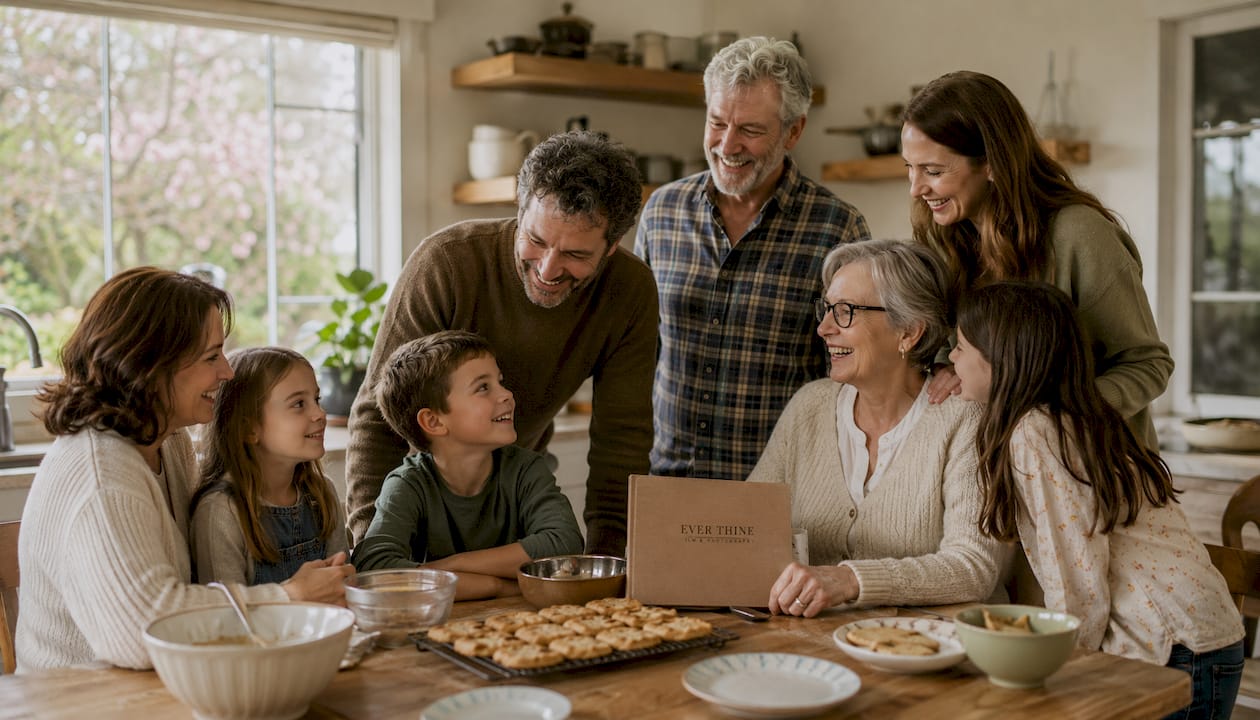
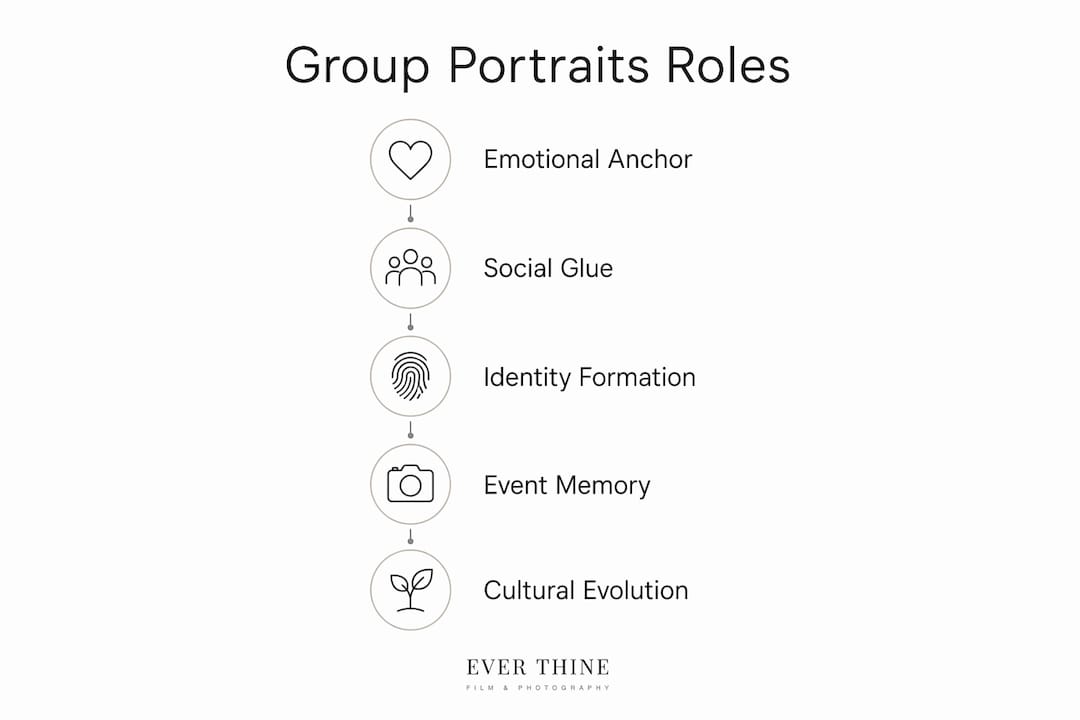
Group portraits are collective visual records of the people who share your life at a given moment. They preserve social bonds, reinforce identity, and serve as emotional anchors long after the moment has passed. Whether pinned to a living room wall or tucked into a wedding album, a well-made group portrait does several things at once:
Tells a story about belonging and connection
Creates a historical record of family and community
Reinforces each person’s sense of place within a group
Provides emotional comfort when revisited years later
Acts as a social document that future generations can read
The significance of group portraits goes well beyond aesthetics. Research consistently shows they shape how people understand themselves, their families, and their shared histories.
Table of Contents
How group portraits shape our emotional and social lives
The most underappreciated function of group photography is what it does to the people in the frame, not just those looking at it later. Photography in the home is part of the socialisation process for children, helping them understand their familial roles and where they fit within a larger story. That is not a soft claim. It is a measurable effect.
Research has found that interacting with personal photographs can increase self-esteem-related behaviours in children by 37%. Displayed portraits provide daily emotional messaging, a quiet, persistent reminder that you are loved and that you belong somewhere specific. For adults, the effect is subtler but no less real. Viewing family portraits offers environmental reassurance, a sense of stability that is hard to manufacture any other way.
Group portraits also function as social glue within communities. They mark shared experience, confirm mutual membership, and create a visual shorthand for “we were here together.” That function becomes especially powerful at weddings, reunions, and milestone events, where the gathering itself is the point.
Why group portraits are irreplaceable at weddings and events
Weddings are, at their core, reunions bringing together family and friends from many different life chapters, creating many emotional wedding moments that deserve to be captured. A university friend, a childhood neighbour, a grandparent who rarely travels: they are all in the same room, possibly for the only time. That is precisely why group portraits at weddings carry a weight that no candid shot can fully replace.
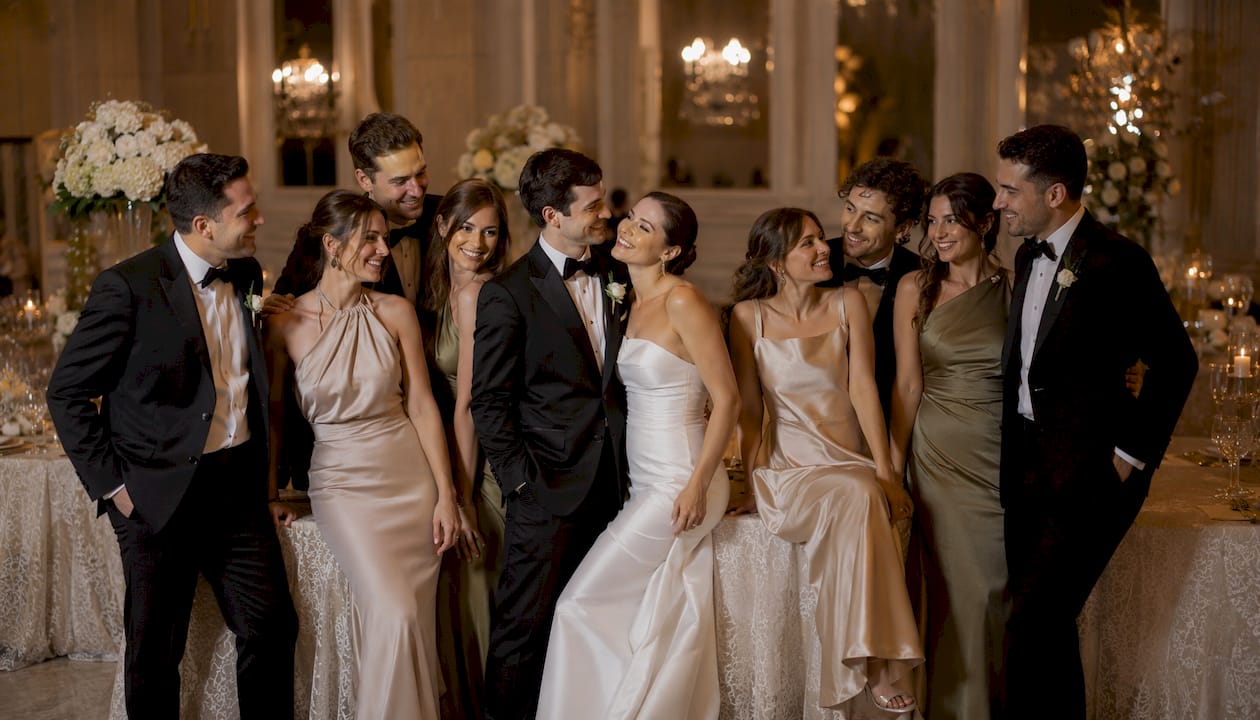
A whole-group wedding photograph creates a timeless visual legacy that preserves the memory of everyone present at that specific moment. Twenty years on, it is the image that tells you who was there, not just how the flowers looked.
Common types of wedding group shots, and what each one does:
Full wedding party shot: documents the official support network around the couple
Immediate family formals: create a permanent record of the closest relationships
Friends and peer groups: capture the social world the couple built before the wedding
Generational shots: grandparents, parents, children together, often the rarest and most treasured
Whole-guest photograph: the communal memory, the one image that says “this was everyone”
Timing matters enormously. The golden hour just after the ceremony, when emotions are still high and guests are gathered, is the most efficient window. Waiting until after the reception meal means missing guests who have left and losing the natural energy of the day. For capturing genuine emotional moments at a wedding, the group portrait session needs to be planned, not improvised.
How to plan and create group portraits that actually work
The biggest mistake in group photography is treating it as an afterthought. Poor planning produces stiff, joyless images where half the group looks away and the other half looks pained. Good planning produces something people want to frame.
Practical steps that make a real difference:
Prepare a shot list in advance and share it with a family liaison who can gather people quickly
Keep individual groupings to under ten minutes each; momentum matters more than perfection
Use natural light wherever possible, avoiding harsh midday sun that causes squinting
Position taller people at the back and vary heights using steps, walls, or natural terrain
Brief participants beforehand so nobody is surprised by what is expected of them
Layered, editorial compositions feel more natural and dynamic than stiff posed arrangements. Placing some people slightly in the foreground and others further back creates depth, making the image feel cinematic rather than like a school photograph. This technique, borrowed from editorial photography, is one of the most effective tools for creative wedding group photos that avoid the flat, symmetrical look.
Pro Tip: Assign one trusted person per family group to act as a “wrangler.” They know the names, the dynamics, and who needs to be found. This single step cuts group portrait time in half and keeps the energy light.
Communication during the shoot is as important as composition. Speak clearly, use names, and give people something specific to do rather than just saying “smile.” Ask them to look at each other, share a joke, or hold someone’s hand. Directed interaction produces genuine expressions far more reliably than a countdown.
What recent psychological research reveals about group portraits
The psychological impact of group photography runs deeper than most people realise. A 2025 study on the practice of family portraiture found that the process of taking a family portrait co-constructs a positive narrative, acting as an emotional anchor that provides comfort when the images are revisited later. The shoot itself is part of the benefit, not just the finished photograph.
Taking photos during events increases enjoyment by encouraging deeper engagement with surroundings, which runs counter to the common assumption that photographing an experience distracts from it. The act of framing a moment sharpens attention to it.
Children who know the stories connected to family photographs show higher resilience and emotional health. The link between family stories and resilience is well-established: children who can place themselves within a family narrative, partly through photographs, develop stronger emotional control and a more secure sense of identity. Printed portraits displayed in the home deliver these benefits continuously, not just when an album is opened. For a deeper look at why this matters, the guide to documenting family moments covers the long-term emotional case for professional photography sessions.
The longitudinal effects are worth noting. Self-esteem, identity formation, and emotional anchoring are not one-time outcomes. They accumulate over years of living with images that say, quietly and persistently, “this is who we are.”
How group portraits have evolved across history and cultures
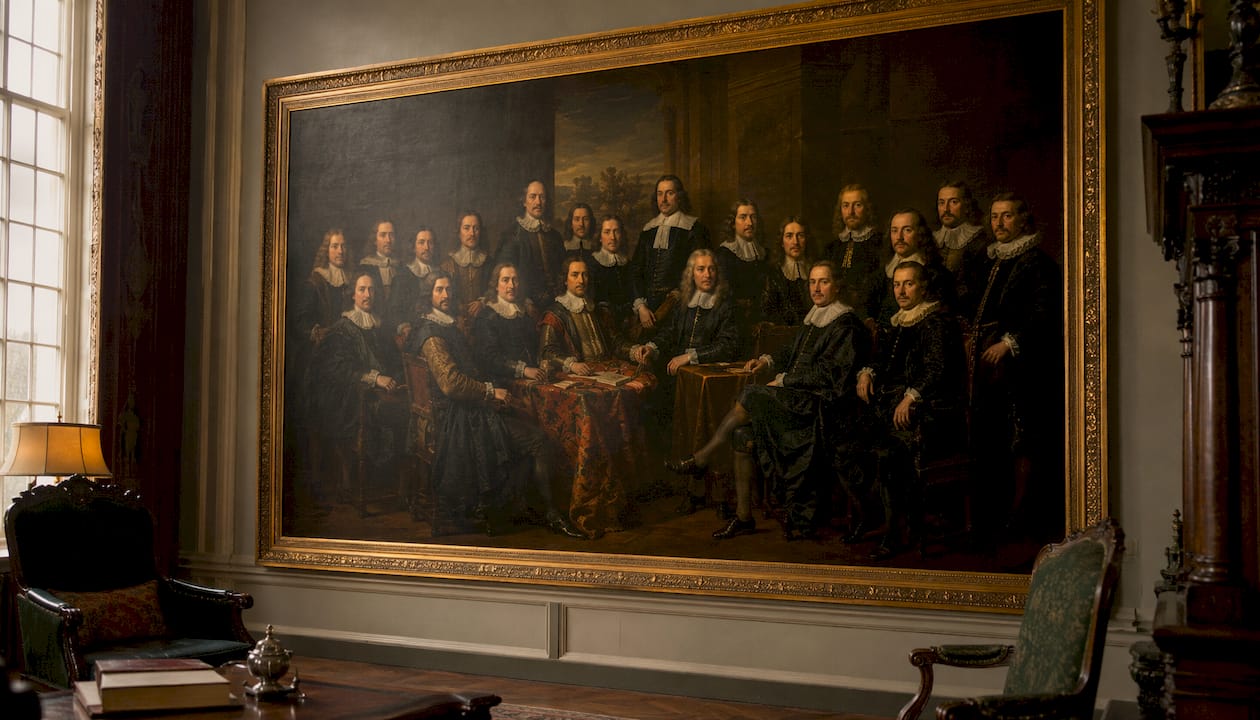
The group portrait as a formal genre stretches back to 17th-century Dutch civic painting. Rembrandt’s The Night Watch (1642) is arguably the most famous group portrait ever made, commissioned by a militia company who wanted their collective identity preserved in paint. The impulse was identical to what drives a wedding party to line up for a photograph today: document the group, confirm its existence, assert its importance.
Photography democratised this entirely. Before the mid-19th century, only the wealthy could commission painted portraits. The daguerreotype and then the carte-de-visite made group portraiture accessible to the middle classes, and by the early 20th century, the family photograph had become a domestic ritual across Britain and much of the world.
Cultural variations are significant. In many East Asian traditions, formal group portraits emphasise hierarchy and generational structure, with elders positioned centrally as a mark of respect. West African photographic traditions, particularly the studio work of Malian photographer Seydou Keïta, used group portraits to assert dignity, modernity, and social aspiration during the post-colonial period. In Britain, the school photograph became a near-universal annual ritual, a collective portrait that tracked an entire cohort through childhood.
The shift to digital photography and smartphones has changed the frequency but not the underlying function. The group selfie at a birthday party serves the same social purpose as a Victorian family portrait: it says we were here, we belong together, this moment mattered. The cultural significance of group photos in wedding storytelling draws directly on this centuries-long tradition of using images to assert collective identity.
What has changed is the expectation of naturalness. Contemporary group portrait styles favour candid energy, layered compositions, and genuine interaction over the rigid formality of earlier eras. The best group portraits today look like a moment caught, not a moment staged.
Weddingfilmphotography captures the group portraits that last a lifetime
Planning a wedding in Staffordshire, Derbyshire, or Worcestershire and wondering how to get group portraits that feel real rather than rehearsed? Weddingfilmphotography specialises in documentary-style coverage that weaves family formal photography into the natural flow of your day, so the group shots feel like part of the story rather than a pause in it.
[
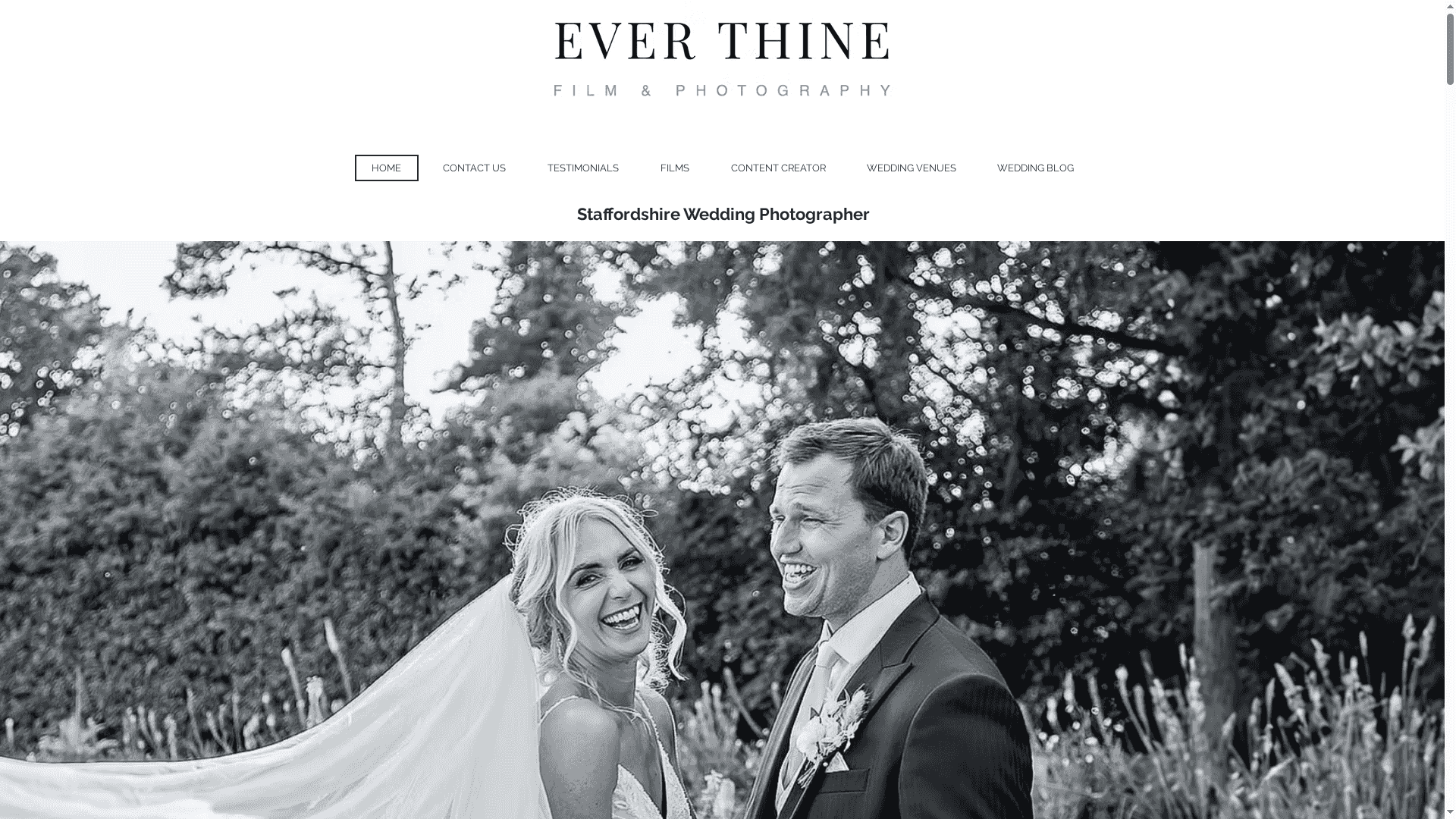
The team brings a structured shot list, a calm approach to wrangling large groups, and the compositional instinct to create images with genuine depth and warmth. Every group portrait is planned with you in advance, timed to the light and the energy of the day, and delivered as part of a full narrative of your wedding. Whether you are based in Staffordshire or marrying in Derbyshire, check availability and get in touch to discuss your day.
FAQ
What is a group portrait?
A group portrait is a photograph or painting depicting two or more people together, intended to document their collective identity, relationships, or shared experience at a specific moment in time.
Why are group portraits so important at weddings?
Weddings bring together people from every chapter of a couple’s life, often for the only time. A group portrait creates a permanent visual record of everyone present, which becomes one of the most valued images in a wedding album over time.
Why is grouping images important in photography?
Grouping images, whether in an album or on a wall, builds a visual narrative that reinforces identity and belonging. Research shows that family photos displayed at home provide ongoing emotional stability and reinforce a sense of connection.
What is the 20-60-20 rule in photography?
The 20-60-20 rule is a compositional guideline suggesting proportions of foreground, mid-ground, and background that help photographers avoid flat, symmetrical arrangements by creating visual depth across the frame.
What psychological benefits do group portraits provide?
A study found that the portrait session itself acts as an emotional anchor, and children who interact with personal photographs show self-esteem-related behaviours increase by 37%. The benefits accumulate over time through daily exposure to displayed images.
Key takeaways
Group portraits serve as emotional anchors, social records, and identity-forming tools that deliver lasting psychological benefits to everyone in the frame and everyone who views them.
Point | Details |
Emotional anchoring | The portrait session itself co-constructs a positive narrative, providing comfort when images are revisited later. |
Self-esteem in children | Interacting with personal photographs can increase self-esteem-related behaviours in children by 37%. |
Wedding group portraits | Whole-group wedding shots create a timeless visual legacy, capturing everyone present at a moment that cannot be repeated. |
Historical continuity | Group portraiture has served the same social function from 17th-century Dutch civic painting to the modern wedding album. |
Weddingfilmphotography | Offers structured, documentary-style group portrait coverage for weddings across Staffordshire, Derbyshire, and Worcestershire. |
Recommended


Comments