
Why consider seasonality in weddings: a complete guide
- 4 hours ago
- 9 min read
TL;DR:
Seasonality in weddings significantly influences budget, aesthetics, vendor availability, and guest comfort throughout the planning process.
Choosing the right season can reduce costs, enhance visual harmony, and ensure a more relaxed experience, especially during off-peak months with greater vendor flexibility.
Seasonality in weddings is defined as the deliberate alignment of your wedding date with the natural, economic, and experiential conditions of a specific time of year. Why consider seasonality in weddings at all? Because the season you choose shapes your budget, your vendor options, your photographs, and how comfortable your guests feel from start to finish. Off-peak months like January or late autumn can reduce venue and vendor costs by 20% to 50% compared to peak periods. That single figure reframes seasonality not as a stylistic preference but as a financial and logistical decision with real consequences.
Why consider seasonality in weddings when planning your budget
The most direct financial impact of seasonality sits in vendor pricing and availability. May, June, September, and October are the highest-demand months in the UK wedding calendar, commanding full retail prices and fierce competition for photographers, florists, and caterers. Booking during these months means you are competing with dozens of other couples for the same suppliers, which removes your negotiating power entirely.
Shifting your date outside these peak windows changes the dynamic considerably. Off-season vendors are less booked and more flexible, often willing to offer personalised packages or added extras that peak-season couples simply cannot access. This is not just about saving money. It is about receiving more attention, more creative collaboration, and a supplier who genuinely has time for you.
The day of the week matters as much as the month. Saturday weddings command premium prices due to high demand, while Fridays and Sundays can unlock venue rental discounts exceeding 20%. A Friday wedding in February, for example, can cost significantly less than a Saturday wedding in June while delivering an identical experience for your guests.
Key cost areas affected by seasonal demand:
Venue hire: Peak months see venues fully booked at maximum rates; off-peak periods open negotiation windows.
Floral arrangements: Seasonal blooms are 20 to 30% more affordable when sourced in their natural growing cycle.
Catering: Summer and autumn menus using in-season produce cost less and taste better.
Photography and videography: Photographers often offer reduced rates or enhanced packages during quieter months.
Pro Tip: Send your save-the-dates at least 12 months in advance for peak-season weddings, and at least 6 months ahead for off-peak dates. Early notice secures your preferred vendors before they fill their calendars.
How does season affect wedding aesthetics and photography?
Season is the single most powerful creative constraint shaping your wedding’s visual identity. Wedding season functions as an aesthetic signature, aligning your décor, florals, colour palette, and photography with the natural environment around you. Couples who ignore this alignment often find their vision feels disconnected from the setting, no matter how beautiful the individual elements are.
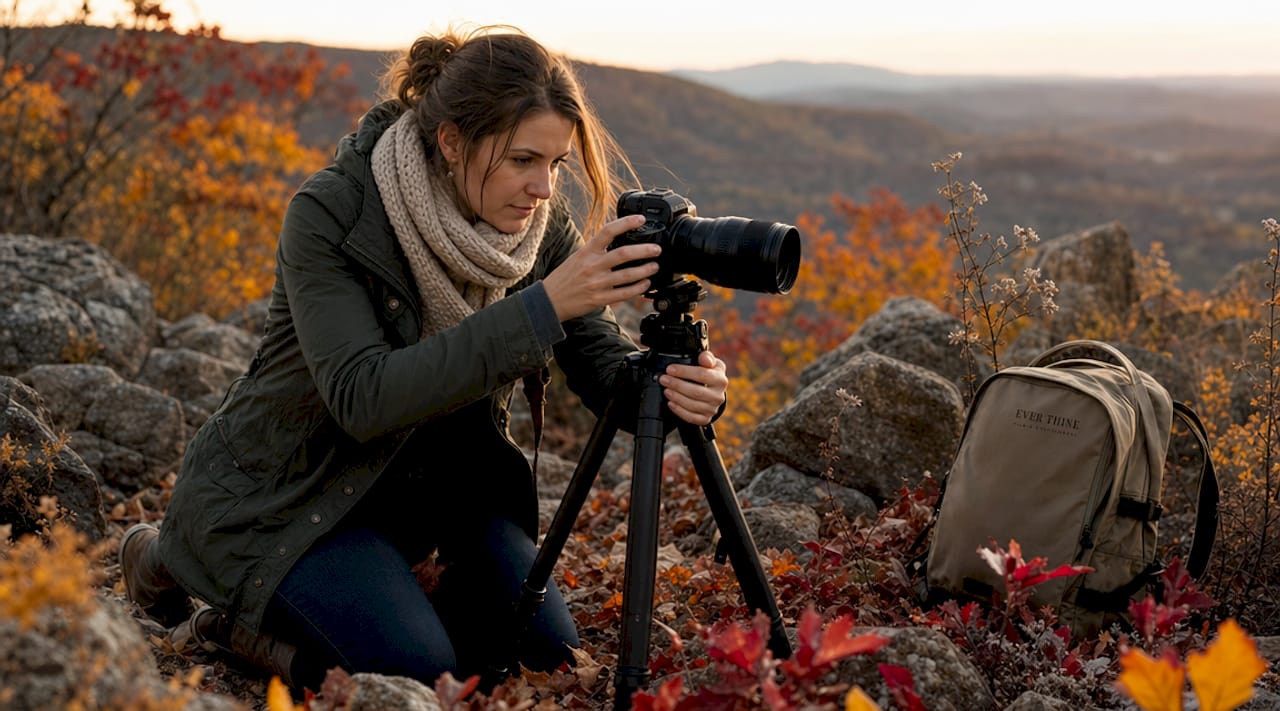
Flowers are the clearest example. Out-of-season flowers can increase floral costs by 20 to 40% because they require importing or greenhouse cultivation. Beyond cost, imported blooms are often less vibrant and shorter-lived than locally grown, in-season alternatives. A spring wedding built around peonies and sweet peas will always outperform a winter wedding attempting the same look at twice the price.
Colour palettes follow the same logic. Jewel tones in deep burgundy, forest green, and burnt orange feel entirely natural in autumn. Soft pastels in blush, lavender, and sage belong to spring. Bright whites and vivid florals suit summer, while winter calls for rich neutrals, ivory, and candlelit warmth. Fighting against your season’s natural palette creates visual tension that no amount of styling budget can fully resolve.
Photography is where seasonal alignment becomes most decisive. Natural lighting quality changes dramatically across the year, shaping the mood and outcome of every image. Summer offers golden-hour light as late as 9 p.m., giving photographers extended time for warm, relaxed portraits. Winter sunsets arrive before 4 p.m., compressing the shooting window and requiring a photographer experienced in low-light and indoor conditions.
Season | Natural light quality | Best for photography |
Spring | Soft, diffused, flattering | Outdoor portraits, garden settings |
Summer | Warm golden hour, long days | Extended shoots, outdoor ceremonies |
Autumn | Rich, directional, dramatic | Woodland settings, golden tones |
Winter | Low, moody, intimate | Indoor details, candlelit receptions |
Understanding how season shapes photography outcomes is one of the most underestimated aspects of wedding planning. Discuss your seasonal date with your photographer before finalising it.
What seasonal factors affect guest comfort and logistics?
Guest experience is shaped by environmental conditions that couples often underestimate until the day itself. Summer’s extended daylight until around 9 p.m. allows flexible ceremony timings and relaxed outdoor receptions, but heat management becomes a genuine operational concern. Outdoor summer receptions without shade structures or cooling fans can leave guests uncomfortable and affect food safety for catered events.
Environmental friction such as humidity affecting makeup, or insects interfering with food service, must be anticipated through venue selection and seasonal planning. These are not edge cases. They are predictable consequences of choosing certain seasons without adequate mitigation in place.
Practical steps for managing seasonal guest comfort:
Summer: Arrange shaded outdoor areas, provide handheld fans or parasols, schedule the ceremony before midday heat peaks, and confirm the venue has air conditioning or cross-ventilation.
Autumn: Confirm the venue has indoor contingency space, provide blankets or wraps for outdoor photographs, and brief guests on dress code for cooler evenings.
Winter: Plan the entire schedule around limited daylight, arrange heating for any outdoor areas, and build in extra travel time for guests given potential weather disruption.
Spring: Accept that rain is likely and plan accordingly. A covered outdoor space or a beautiful indoor alternative removes the anxiety from an unpredictable forecast.
Travel logistics shift with the season too. Off-peak weddings in January or February avoid the school holiday and bank holiday clashes that complicate guest travel in summer. Guests travelling from abroad find cheaper flights and more accommodation availability outside peak periods, which directly improves attendance rates.
Pro Tip: Budget for seasonal environmental controls from the outset. Hidden seasonal costs such as industrial fans, patio heaters, or covered walkways frequently appear late in planning and catch couples off guard. Add a 10% contingency line specifically for these items.
Comparing the benefits and drawbacks of each wedding season
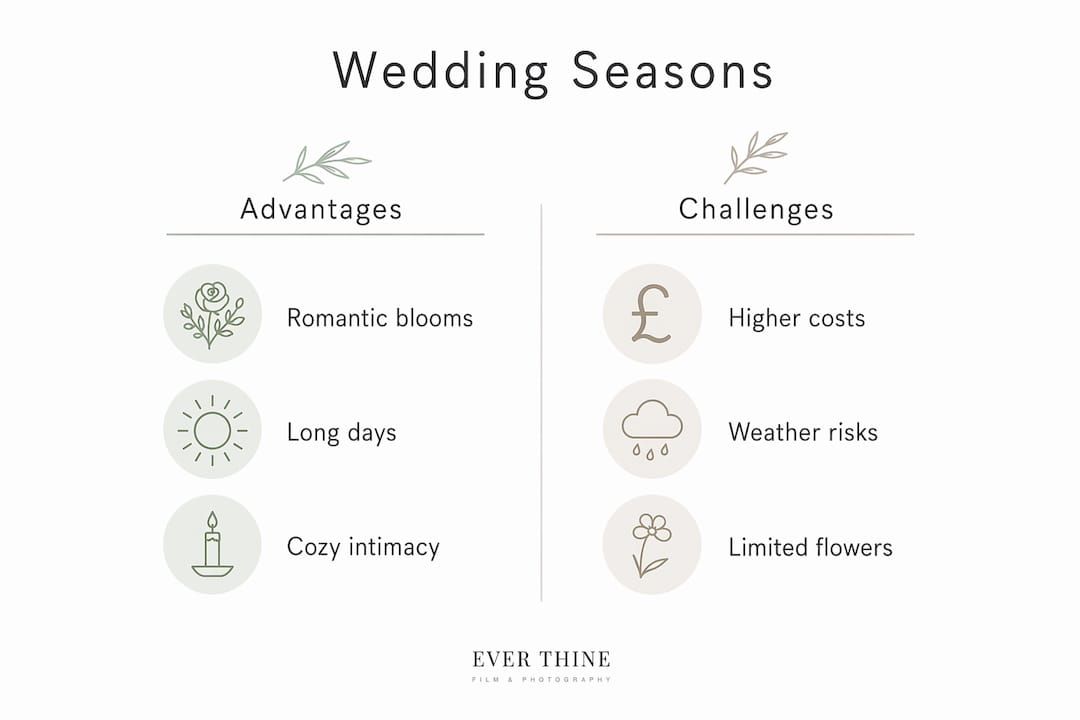
Every season carries a distinct set of advantages and trade-offs. Understanding these clearly is the foundation of informed wedding planning by season.
Season | Key advantages | Main challenges |
Spring | Romantic blooms, mild temperatures, lush greenery | Unpredictable rain, early booking required |
Summer | Long daylight, vibrant energy, outdoor flexibility | Heat, peak pricing, intense vendor competition |
Autumn | Rich colours, reliable weather, lower costs | Shorter days, earlier sunset for photography |
Winter | Cosy atmosphere, venue discounts, unique aesthetic | Very limited daylight, weather disruption risk |
Spring delivers the romantic visual that many couples imagine when they first picture their wedding. Peonies, ranunculus, and cherry blossom are at their natural peak, and the moderate temperatures suit both outdoor ceremonies and comfortable guest attire. The risk is rain, which in the UK is never a small risk. A solid indoor contingency plan is non-negotiable for spring.
Summer is the most popular season for good reason. Long days, warm temperatures, and vibrant energy create a natural celebration atmosphere. The trade-off is cost. Peak demand means peak pricing across every vendor category, and the most sought-after photographers, venues, and florists in Staffordshire and Derbyshire are often booked 18 months in advance for prime summer dates.
Autumn is arguably the most underrated season for UK weddings. Weather in September and October is often more reliable than summer, the colour palette of amber, rust, and gold is visually stunning, and vendor availability improves noticeably from late October onwards. Shorter days do compress the photography window, so scheduling the ceremony earlier in the afternoon becomes a priority.
Winter offers something no other season can: genuine intimacy. Candlelit receptions, log fires, and frost-covered grounds create an atmosphere that feels entirely distinct. Venue discounts are at their most generous, and off-season vendor attention results in reduced planning stress and superior service quality. The challenge is daylight. A winter ceremony must begin by early afternoon to capture any natural light for outdoor portraits.
How to incorporate seasonality into your wedding planning decisions
Integrating seasonality into your planning process requires a clear order of priorities. Start by identifying what matters most: budget, aesthetic vision, or guest convenience. These three factors rarely align perfectly with the same season, so knowing which one leads your decision simplifies everything that follows.
Define your non-negotiables first. If budget is the primary constraint, target January, February, or November. If a specific floral aesthetic drives your vision, identify which season naturally produces those blooms and work backwards from there.
Check venue availability before setting a date. Popular venues in Staffordshire, Derbyshire, and Worcestershire fill their peak-season Saturdays 18 to 24 months ahead. Knowing your venue’s availability calendar before committing to a season prevents disappointment.
Consider weekday and off-Saturday options seriously. A Friday wedding in late September offers near-peak aesthetics at a meaningfully lower price point. Many guests appreciate a long weekend structure around a Friday celebration.
Book your photographer and videographer early. Understanding when to book a wedding photographer relative to your chosen season is critical. Photographers with strong seasonal lighting expertise fill their calendars quickly regardless of the time of year.
Build seasonal contingency into your budget from day one. Attire fabric choice is another underestimated factor. Seasonally appropriate fabrics balance comfort and style in ways that affect how relaxed and confident you feel throughout the day.
Key takeaways
Seasonality is the single most influential planning variable affecting wedding cost, aesthetics, vendor availability, and guest experience simultaneously.
Point | Details |
Budget impact is significant | Off-peak months reduce venue and vendor costs by 20% to 50% compared to peak periods. |
Aesthetics follow the season | Seasonal blooms, colour palettes, and natural light quality all align most powerfully when the season is chosen deliberately. |
Guest comfort requires planning | Heat, humidity, pests, and limited daylight are predictable seasonal challenges that must be budgeted and managed in advance. |
Off-peak offers hidden advantages | Vendors are more available, more attentive, and more willing to negotiate outside peak months. |
Photography depends on daylight | Summer offers extended golden-hour shoots; winter compresses the window and demands a photographer skilled in low-light conditions. |
Why I think couples underestimate seasonality until it’s too late
After years of photographing weddings across Staffordshire, Derbyshire, and beyond, the pattern I see most often is this: couples choose their date based on sentiment or availability, then try to retrofit a vision around it. That approach works sometimes. More often, it creates friction that no amount of budget can fully smooth over.
The couples who have the most cohesive, relaxed, and visually stunning weddings are almost always the ones who chose their season first and built everything else around it. They picked autumn because they wanted rich, warm tones and reliable weather. They picked winter because they wanted intimacy and candlelight. The season was not a constraint for them. It was the creative foundation.
What surprises me most is how rarely couples think about seasonal lighting before they book. A winter wedding at a beautiful Staffordshire barn can be extraordinary, but if the ceremony starts at 3 p.m. in December, outdoor portraits are finished before the reception begins. That is not a problem with the venue or the photographer. It is a planning decision made without accounting for the season.
The other thing I have observed is that off-peak weddings consistently produce calmer, more personal planning experiences. Vendors have more time for you. Venues are more accommodating. The whole process feels less like a transaction and more like a collaboration. That shift in dynamic has a direct effect on the day itself.
Seasonality is not just a logistical variable. It is the frame through which every other decision is made. Get it right early, and everything else becomes easier.
— Ever
Capture your wedding beautifully, whatever the season
At Weddingfilmphotography, we have spent years mastering the art of working with every season’s unique light, atmosphere, and energy. Whether you are drawn to the golden warmth of an autumn afternoon or the intimate glow of a winter reception, our documentary-style approach captures the moments that matter most, exactly as they happen.
[
Off-peak dates often mean we have more availability and more time to dedicate to your story. If you are planning a wedding in the Midlands, our Staffordshire wedding photography and Derbyshire wedding photography services are built around your season, your vision, and your day. Get in touch early to secure your date and start the conversation about how we can make your wedding unforgettable.
FAQ
Why does seasonality matter so much in wedding planning?
Seasonality affects your budget, vendor availability, floral choices, photography quality, and guest comfort all at once. Choosing a season deliberately rather than by default gives you control over each of these variables from the start.
Which wedding season is the most affordable in the UK?
January, February, and November are consistently the most affordable months, with venue and vendor costs running 20% to 50% lower than peak months like June or September.
How does the season affect wedding photography?
Season determines natural light quality, shooting duration, and overall mood. Summer sunsets offer warm tones and extended shooting time, while winter requires a photographer experienced in low-light and indoor conditions.
Are off-peak weddings better for vendor quality?
Off-peak weddings give vendors more time and attention per couple, which frequently results in a more personalised and less pressured service. This is one of the most overlooked benefits of seasonal weddings outside peak demand periods.
Should attire choice change with the season?
Yes. Seasonally appropriate fabrics are one of the most underestimated planning decisions. Heavy fabrics in summer cause discomfort, while lightweight choices in winter leave the wedding party cold during outdoor photographs.
Recommended


Comments